







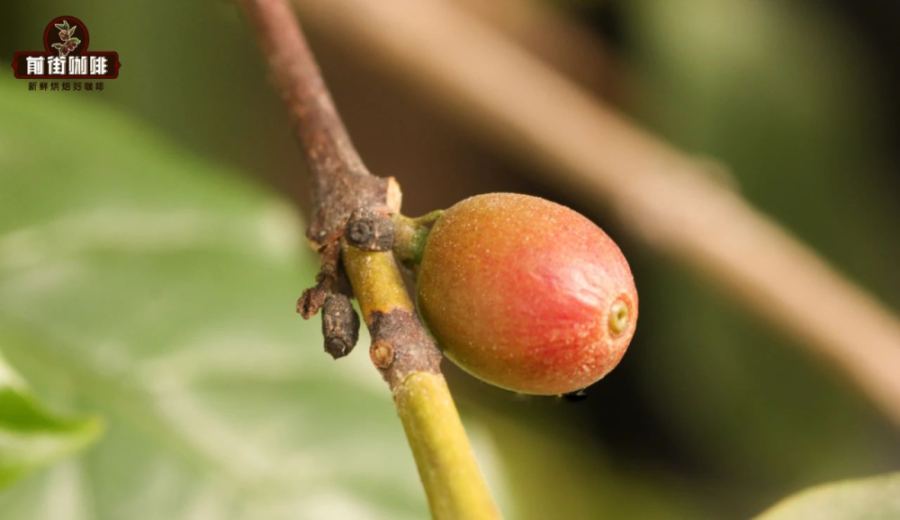
Introduction:Coffee cherries are often referred to as "red cherries," and in botanical terms, they truly are a type of fruit. However, what we drink is not the flesh but the seeds hidden inside. So how do those captivating floral and fruity aromas in coffee come about? Which regions and processing methods are more likely to bring out fresh floral or citrus notes? This article delves into the science behind coffee flavors and recommends five pour over beans with prominent floral and fruity characteristics to help you discover your own flavor preferences.
Coffee cherries, also affectionately called "red cherries," are classified agriculturally as a type of fruit. However, when we drink coffee, we’re not savoring the flesh but rather the seeds nestled deep within. These tiny seeds are the true source of aroma and flavor.
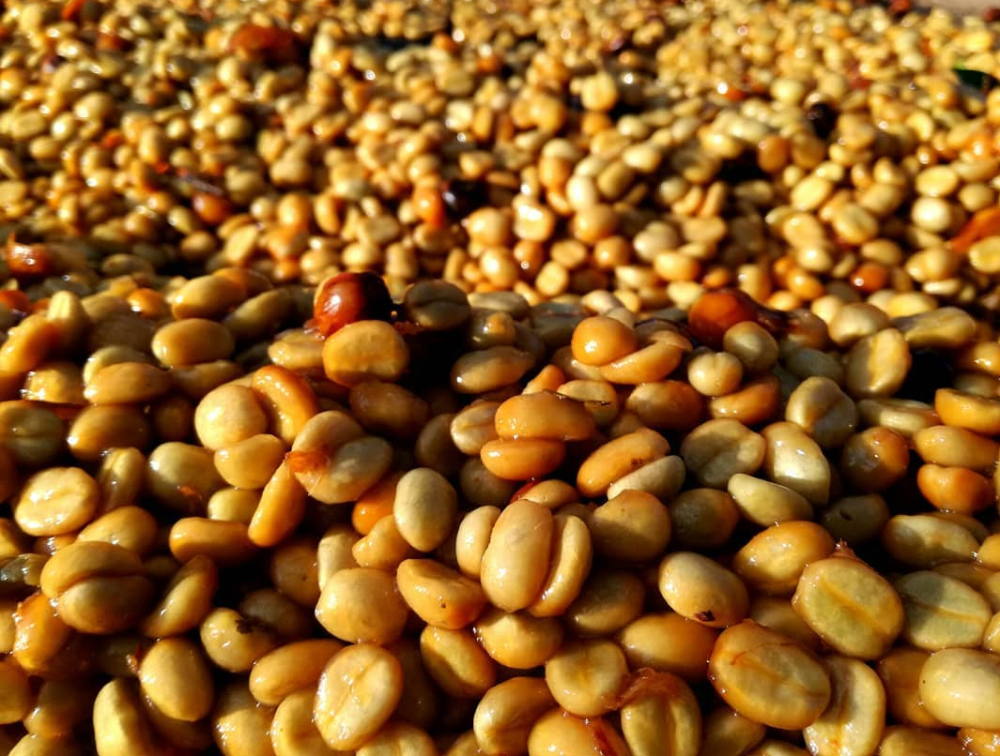
During coffee processing, we remove the outer skin, pulp, and even the middle mucilage layer, leaving only the core seed. This is done not only to facilitate subsequent roasting but also because the seed itself contains the richest aromatic compounds—the key to flavor release during brewing.
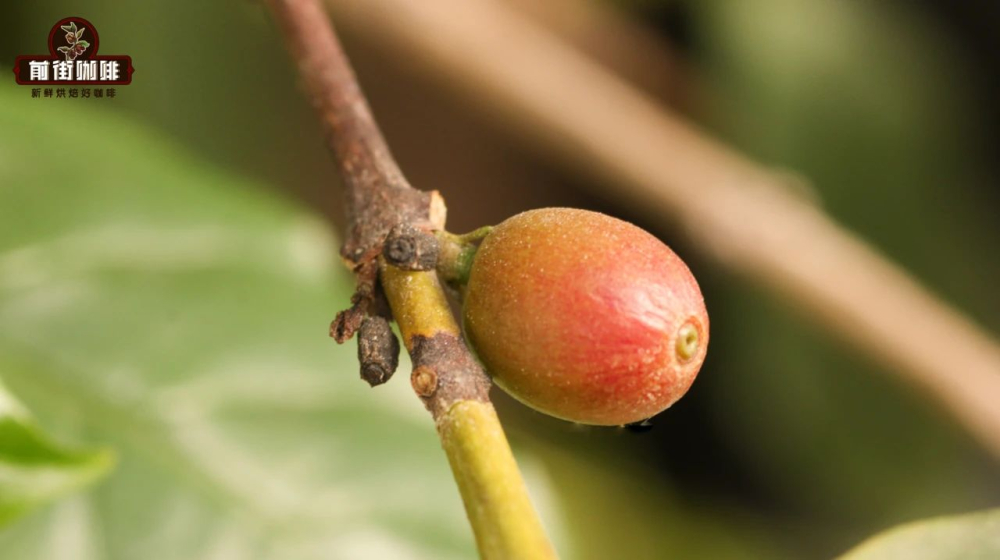
The floral and fruity aromas in coffee come from a range of volatile organic compounds, including terpenes, alcohols, esters, aldehydes, and lactones. The interplay among these compounds gives us the sensation of fresh floral or soft fruity notes when sipping coffee. For example, the renowned Geisha variety is rich in aromatic alcohols, limonene, and β-myrcene—monoterpenes that are key contributors to its enchanting fragrance. These compounds are typically more pronounced in coffees from Africa and Central America, especially when processed via washed or light roasting methods.
For consumers looking to explore floral and fruity coffee flavors, choosing a reputable roasting brand is crucial. Freshly roasted coffee beans not only offer a more complete flavor profile but also retain more delicate aromas. Generally,it is recommended to choose beans roasted within 5 days,and to brew them as soon as possible to achieve the best flavor expression.
The aroma composition in coffee is quite complex, and identifying a single flavor note can be challenging, especially with floral and fruity notes, which are often subtle and multi-layered. However, based on regional and processing experience,washed or natural sundried light-roast beans from Africa and Central America tend to more easily showcase fresh floral or citrus fruit notes,making them excellent entry points for exploring floral and fruity profiles.
Here are five coffee beans with distinct floral and fruity characteristics, ideal for pour over enthusiasts or those seeking layered flavor experiences:
1. Washed Yirgacheffe Guddina Dingding: This bean offers delicate jasmine floral notes paired with a refreshing green tea-like character. It has a clean and bright mouthfeel, making it well-suited for pour over, drip bag, or cold brew methods, all of which can fully highlight its nuanced aromas.
2. Panamanian Washed Flower Butterfly: With prominent white floral tones complemented by citrus and tea-like flavors, this represents a classic example of a light and fragrant coffee. Recommended for pour over or drip bag brewing, it showcases a balanced acidity and sweetness.
3. Sidamo Alo (Natural): Processed using the natural method, it emits soft magnolia floral notes blended with tropical fruit profiles such as citrus, passionfruit, pineapple, and mango. The berry acidity is well-balanced, resulting in a round and full-bodied mouthfeel.
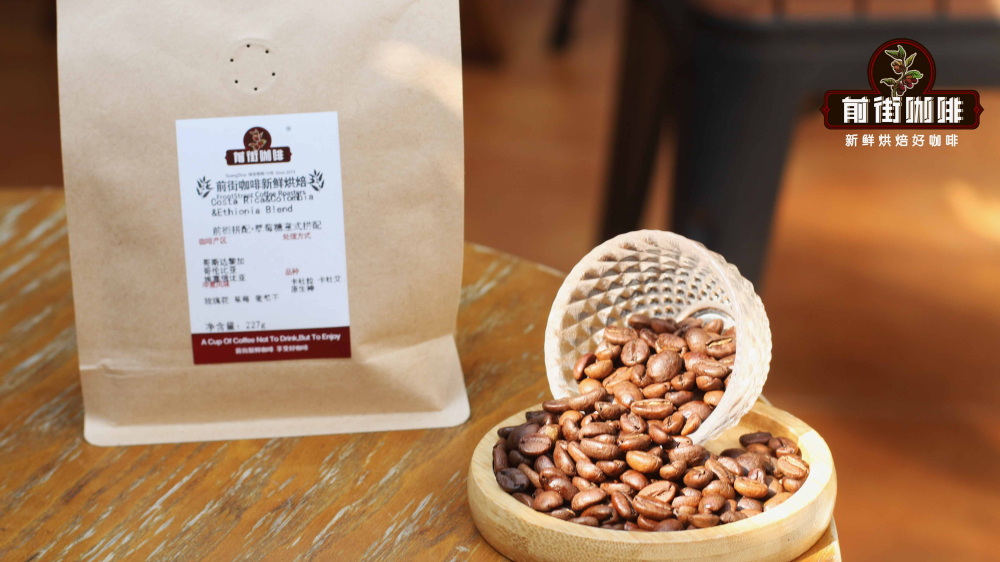
4. Strawberry Candy Coffee: A blend combining Costa Rican honey-processed beans with Panamanian Geisha, it features soft rose floral notes and a sweet fruity aroma reminiscent of raisins. The overall fragrance is comforting and healing—perfect for a slow, meditative pour over session.
5. Mozart Coffee: This is a bolder, more intense aromatic coffee. Upon first sniff, it may present strong floral scents like chamomile or osmanthus, with direct and layered flavor expression. Ideal for those who enjoy rich herbal notes, it’s recommended to pair with Gold Label Geisha to compare the differences in floral profiles.
In summary, although coffee cherries are named as "fruit," what we truly taste is the essence within the seeds. Understanding the origins of floral and fruity aromas helps us better appreciate the unique flavors brought by different regions and processing methods, and also provides clearer direction when selecting beans. Whether you're just starting out or already a coffee enthusiast, exploring floral and fruity notes will be a richly sensory journey.
The above content is compiled by CoffeeHunters, a coffee news website.


