







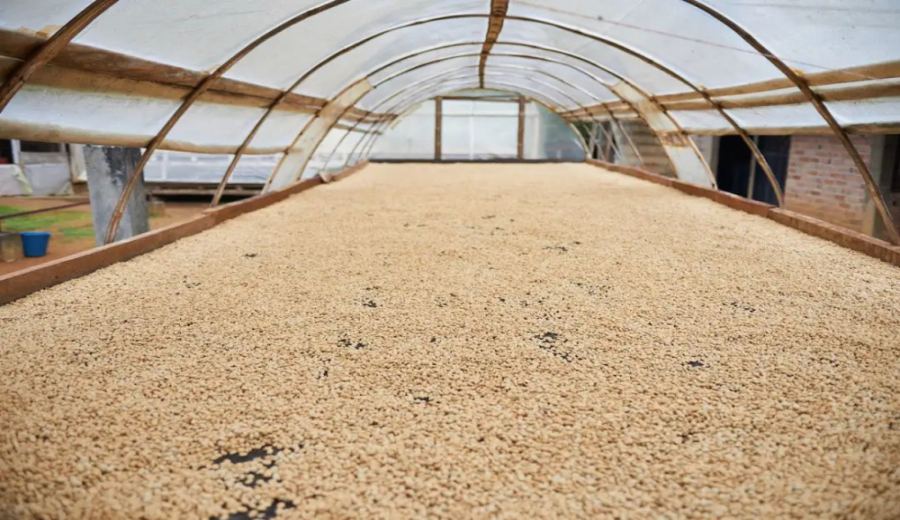
Introduction:Did you know that up to 4 out of every 10 specialty coffee beans globally may come from Colombia? From the first coffee plant brought by missionaries in the 18th century to today’s high-end washed beans accounting for 40% of exports, Colombia’s success relies not only on its favorable landscapes but also on a unique industrial development strategy. This article takes you through the historical evolution of Colombian coffee, analyzes the distinctive flavor profiles of four major representative regions such as Huila and Cauca, and shares practical brewing tips and optimal parameters for washed process beans.
Colombia is the world’s third-largest coffee producer and the largest processor of washed Arabica beans, with specialty-grade coffee making up as much as 40% of its exports. No matter which café you walk into, you’re likely to encounter Colombian coffee beans—for example, offerings like Flower Moon Night, Big Belly Button, Sidra, and Huila, all of which are well-suited for pour over to highlight their delicate flavors.
The story of Colombian coffee begins in the early 18th century. It’s said that coffee plants or seeds arrived in South America via Spanish Jesuit missionary ships, and one missionary named José Gumilla mentioned in his 1730 writings that he saw coffee plantations along the Orinoco River, suggesting that coffee had already taken root in Colombia by then. This New World country, once deemed unsuitable for coffee cultivation, gradually developed its unique coffee flavors thanks to high altitudes and diverse microclimates.
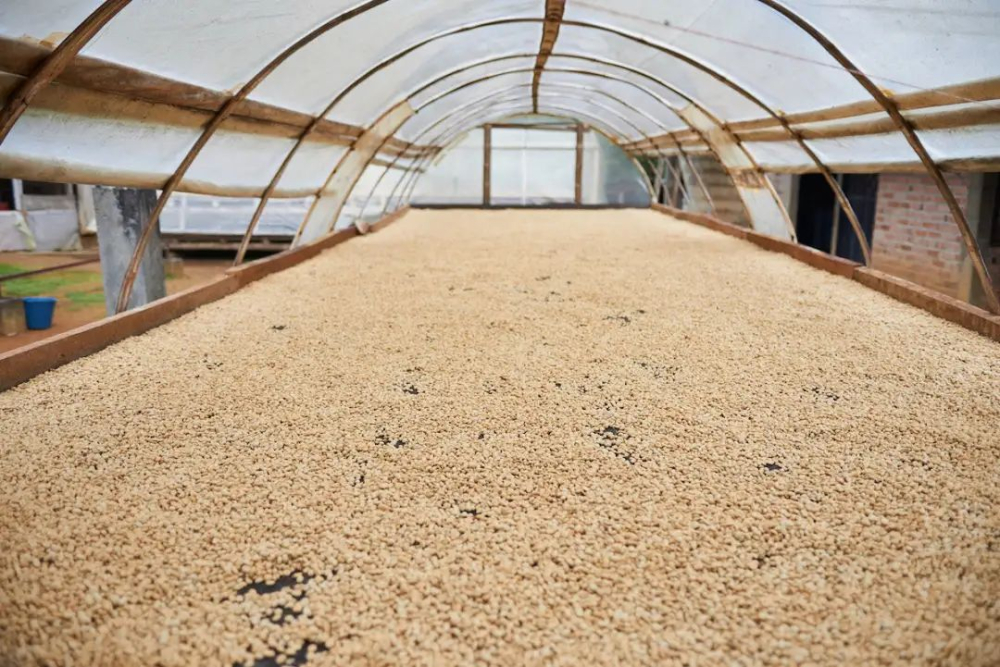
By the end of the 19th century, coffee had become one of Colombia’s main export commodities. However, the subsequent Thousand Days' War severely damaged the national economy and agriculture, forcing many large coffee estates to be abandoned. To revive the industry, the government divided vast tracts of uncultivated land into small plots and sold them at low prices to landless farmers. These farmers typically intercropped coffee with other crops on the same land, laying the foundation for today’s smallholder-family-farm-based industry.
Faced with international market competition, the smallholder model in Colombia initially lacked a competitive edge. It wasn’t until 1904 that a group of producers formed the “Coffee Producers Committee,” which later led to the establishment of the “Colombian Coffee Federation” in the 1920s. Ultimately, in 1927, the more influential National Federation of Coffee Growers of Colombia (FNC) was born. The creation of the FNC not only protected the rights of smallholders but also, through unified marketing, quality control, and international promotion, successfully positioned Colombia as the world’s third-largest coffee exporter.
Colombia’s coffee-growing belt is primarily distributed along the Andes Mountains, concentrated in the western region from south to north. Due to complex terrain and significant altitude variations, the country has developed diverse microclimates and harvest seasons across different areas, enabling nearly year-round availability of fresh coffee for export. Ideal planting elevations range between 1,000 and 2,500 meters, with an average annual temperature of around 18°C. Coupled with abundant rainfall and varied topography, these conditions contribute to the refined and layered flavor characteristics of Colombian coffee.
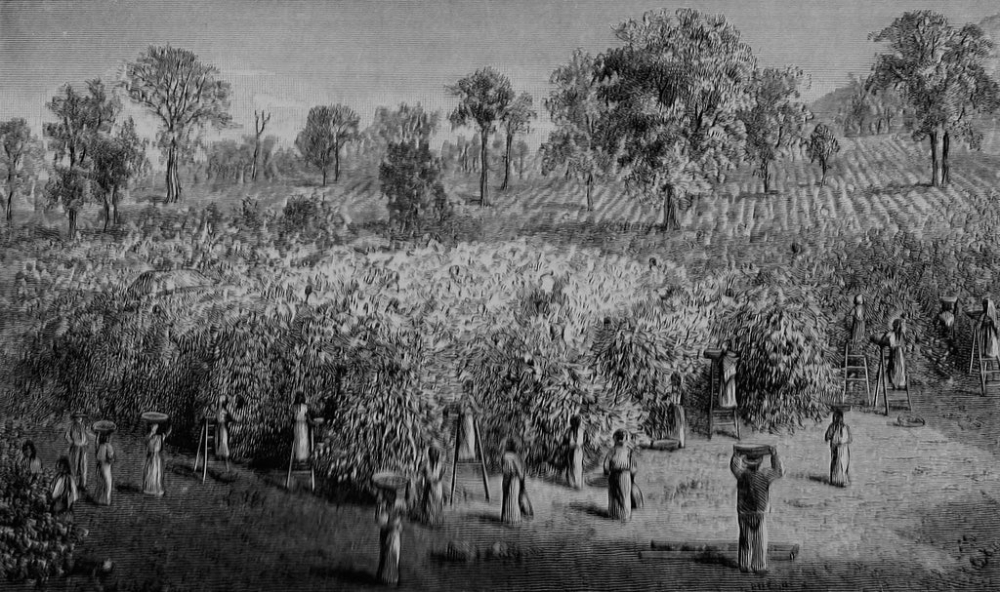
Colombia’s coffee-producing regions can generally be divided into three major blocks: northern, central, and southern, with the southern regions, due to higher altitudes and more pronounced microclimates, widely regarded as a key source of specialty beans. Below are several representative regions:
Huila (惠兰): Located in southwestern Colombia, it is a key producer of specialty coffee, accounting for about 12% of the national output. With elevations exceeding 1,500 meters and surrounded by rolling hills and abundant water sources, Huila is dominated by smallholder micro-lots and utilizes diverse processing methods, resulting in highly variable flavor profiles. Fruity, rich, and well-balanced sour-and-sweet black coffees are common, and single-origin offerings like Sidra and Big Belly Button both come from this region.
Cauca (考卡): With elevations reaching up to 2,100 meters, significant day-night temperature differences, and the nourishment of volcanic soils, coffee beans here mature more slowly, allowing them to accumulate richer flavor compounds. Coffees from this region are known for their bright acidity and prominent sweetness, making it a must-try for coffee lovers who prefer a fresh taste profile.
Nariño (娜玲瓏): Nearly the entire region is covered by the Andes Mountains, with coffee cultivation taking place between 1,600 and 2,300 meters above sea level. Surrounded by clouds and volcanic soils, the area provides excellent growing conditions. Nariño’s coffee is famed for its unique acidity structure and delicate mouthfeel. Though production is limited, the quality is outstanding, making it a rising star region that has garnered much attention in recent years.
Santander (桑坦德): As one of the earliest coffee-growing regions in Colombia, Santander may not be as famous as other areas, yet it steadily contributes about 5% of the nation’s output. With elevations around 1,400 to 1,600 meters and a relatively dry climate, the region traditionally grows Typica varieties, often cultivated under shade. The longer maturation period results in a rich and rounded mouthfeel, making it ideal for those who prefer medium-to-dark roast flavors. The Rose Valley coffee bean offering comes from this region.
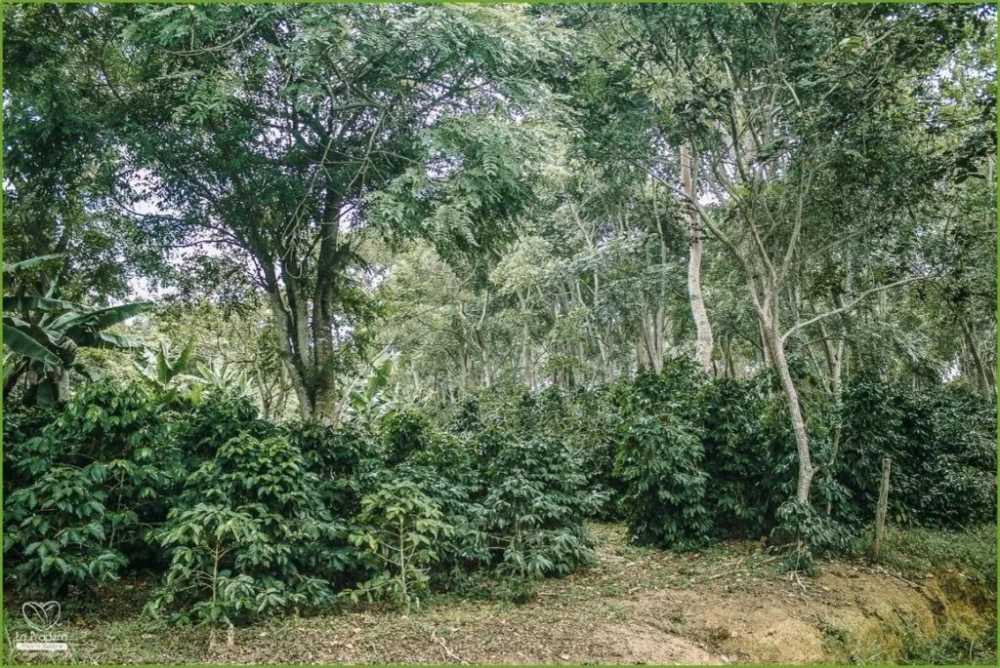
Colombian coffee not only holds a solid position in the international market but is also commonly found on the entry-level coffee lists of enthusiasts worldwide. In particular, washed-process Colombian beans can clearly showcase the unique terroir and distinctive flavor characteristics of each region. Take Huila, for example—the washed process highlights a rich dark chocolate base tone paired with gentle fruity acidity, offering a classic taste experience of Colombian coffee.
For such washed Colombian beans, we recommend using the following pour over parameters to achieve optimal extraction:
Filter:Hario V60
Water temperature:90°C
Coffee dose:15 grams
Coffee-to-water ratio:1:15
Grind size:80% passing rate through a Chinese Standard No. 20 sieve (approximately medium-fine grind)
In terms of steps, begin withbloomingby pouring approximately 30 grams of hot water for about 30 seconds. This helps expel carbon dioxide from the coffee grounds and release aroma. Observe whether the coffee bed forms a fluffy “hamburger” shape during blooming—if expansion is insufficient, shorten the time slightly; if it’s excessive, extend it a little. Then, pour slowly in small circles from the center until the total water volume reaches 125 grams; when the water level is about to uncover the coffee bed, continue pouring until 225 grams in total, with the overall extraction time controlled at around 2 minutes.
A quick tip: Freshly roasted coffee beans usually contain a lot of carbon dioxide, which inhibits flavor release. It is recommended to use beans roasted within 5 days and follow the above process to fully present the refined and layered qualities of Colombian washed beans.
The above content is compiled by CoffeeHunters, a coffee news website.


