







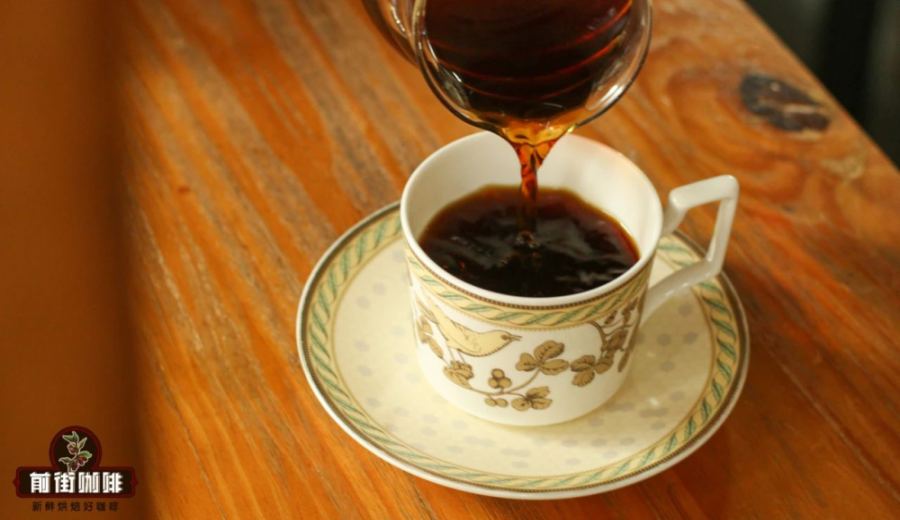
Introduction:Want to dive deep into the diverse flavors and renowned coffee-growing regions of Honduras? This article takes you on a journey through the six major coffee regions of Honduras, exploring their unique terroirs and characteristics, and analyzing the differences in aroma and taste from Copán to Paraíso. It also provides an in-depth look at two highly regarded wine barrel-fermented coffees—Sherry and Litchi Orchid—covering their processing methods, roast levels, and pour over parameters, along with practical brewing tips. It’s an essential deep-dive guide for coffee enthusiasts.
As an important coffee-producing country in Central America, Honduras has gradually emerged in the specialty coffee market in recent years. From the introduction of coffee cultivation in the 18th century to becoming the world’s seventh-largest coffee producer today, its coffee industry has a rich and challenging development history. Notably, in 2011, Honduras’ total coffee output even surpassed the combined production of Costa Rica and Guatemala, solidifying its position in the international market.
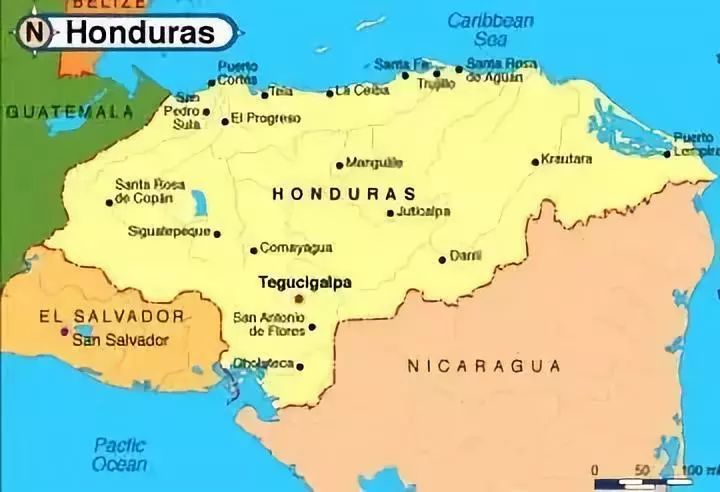
Honduras’ geographical environment is extremely well-suited for coffee cultivation. Bordered by the Caribbean Sea to the north and the Pacific Ocean to the south, the terrain is varied with predominantly high altitudes, coupled with mild and stable climate conditions, allowing coffee plants to thrive in a favorable environment, reducing threats from pests and diseases and aiding in nutrient accumulation and flavor development.
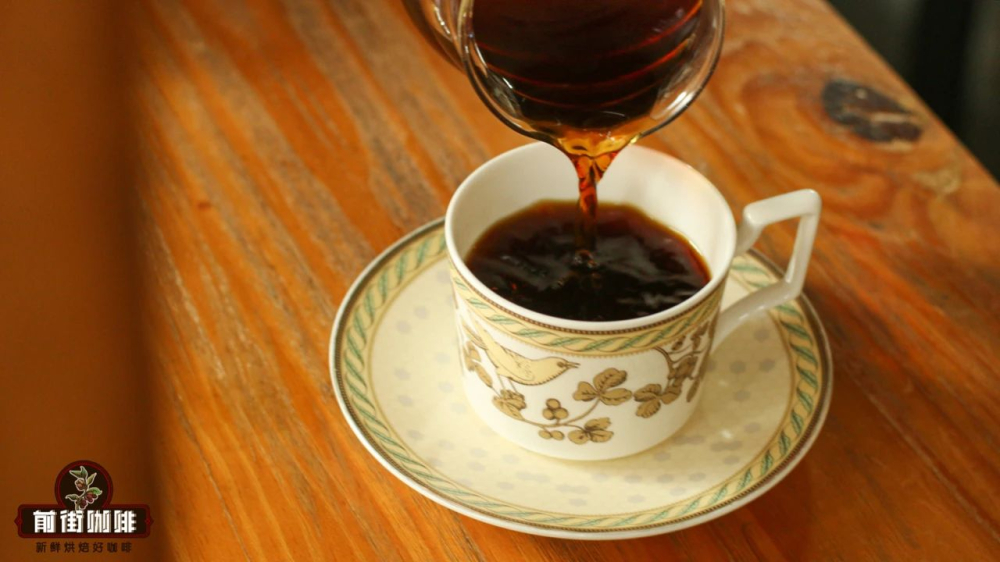
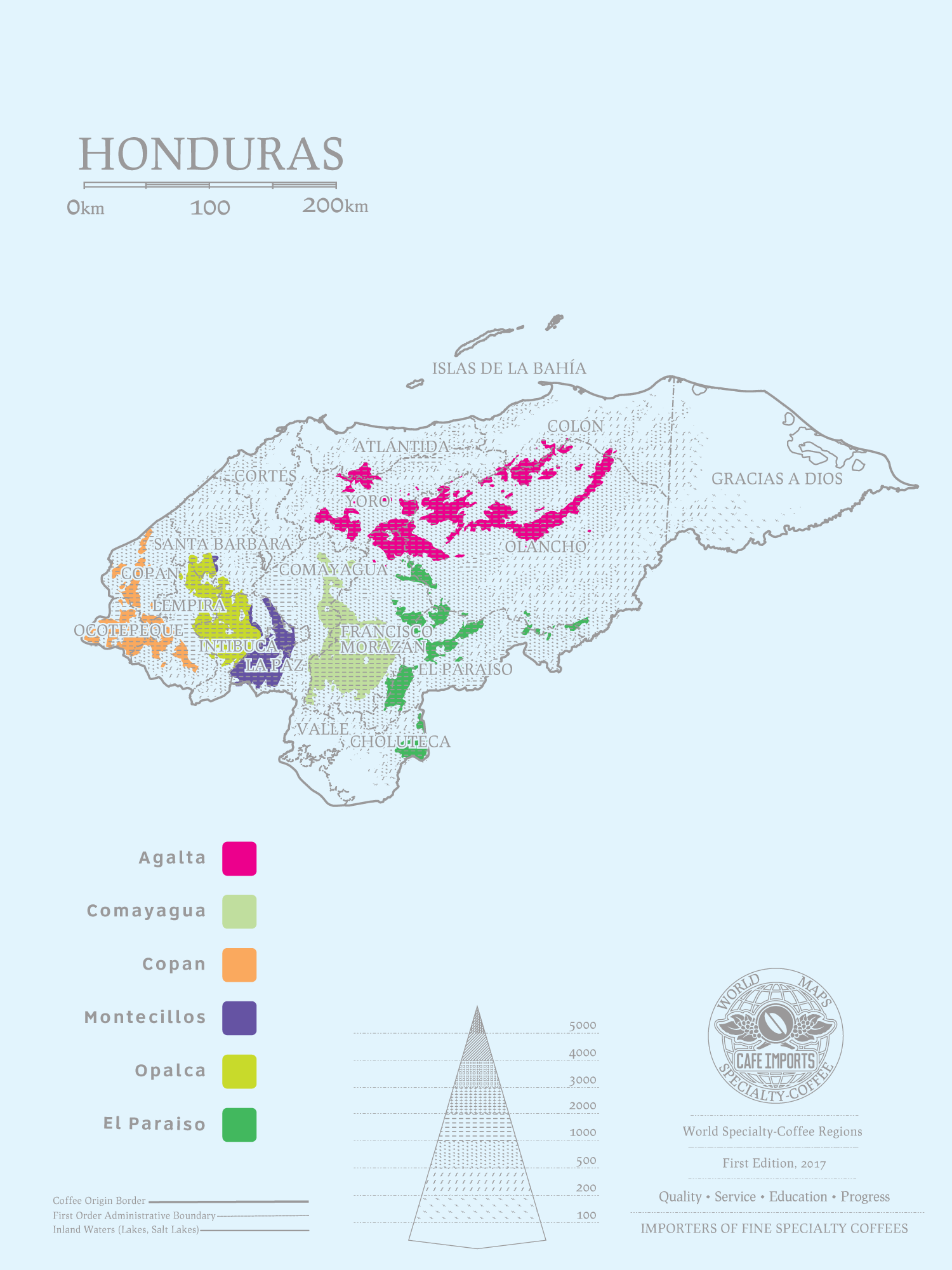
Honduras has six main coffee-growing regions: Copán, Opalaca, Montecillos, Comayagua, Agalta, and El Paraíso. Each region, due to its unique altitude, microclimate, and soil conditions, produces coffee beans with distinctly different flavors.
[Copán Region]
Located at the border between Honduras and Guatemala, this is a well-known border coffee region with planting altitudes exceeding 1,000 meters. The region experiences significant climate variations, with large day-night temperature differences that help concentrate the flavors in the coffee cherries. Products from this area typically exhibit rich aromas, pronounced sweetness, and full-bodied mouthfeel, making it a popular starting choice for many coffee enthusiasts.
[Montecillos Region]
Bordering El Salvador, with some planting sites reaching up to 1,600 meters in altitude, this is one of the highest-altitude regions in Honduras. Due to relatively low nighttime temperatures, coffee cherries mature more slowly, resulting in more layered acidity and bright fruity notes, making it ideal for drinkers who prefer a fresh acidity profile.
[Comayagua Region]
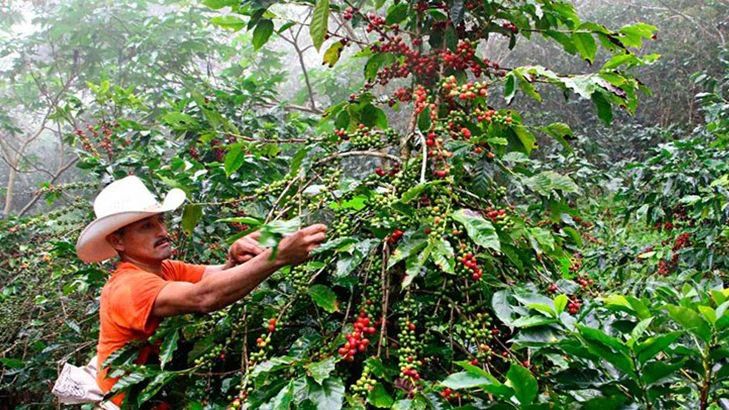
Once the highest-producing region in Honduras in 2016, located in the central mountainous area, its coffee is characterized mainly by citrus notes and honey-like sweetness, with a smooth and rounded mouthfeel, representing one of the best-balanced profiles.
[Agalta Region]
Situated within a forest reserve, though at a slightly lower altitude (around 1,000–1,400 meters), it boasts a good ecological environment, primarily showcasing tropical fruit and chocolate flavors, suiting consumers who prefer a richer taste profile.
[El Paraíso Region]
As the oldest coffee-growing region in Honduras and also one of the largest in area, its altitude ranges between 1,000 and 1,400 meters. In the 2017 Honduras Cup of Excellence (COE) competition, coffee beans from this region won the championship, demonstrating its outstanding potential.
[Opalaca Region]
Adjacent to Copán, with slightly higher altitude, bringing more intense aromas and tropical fruit notes. Its sub-region, the Masaguara zone, is also somewhat famous and serves as a hub for experimenting with various specialty processing methods.
A certain brand’s coffee menu features two specialty coffee beans from the Masaguara zone of Honduras, produced by the Mocha Estate—“Honduras Sherry” and “Honduras Litchi Orchid.” Both utilize a special wine barrel fermentation process, showcasing unique aromas and sweetness.
Honduras · Sherry Coffee Beans
Grown at an altitude of 1,500–1,700 meters at the Mocha Estate, the varieties include Caturra, Catuai, and Pacas. The processing method combines meticulous washed processing with whiskey barrel fermentation, specifically using a sherry wine barrel for low-temperature fermentation over 30 to 40 days. The fermented green beans are spread out to dry in the shade, avoiding direct sunlight to preserve the winey aromas.
In terms of flavor profile, this coffee often presents layers of vanilla, cream, fermented wine notes, and honey, with a pronounced sweetness and a long-lasting aftertaste. It is recommended to use a Hario V60 filter, with water temperature controlled at 92°C, a coffee-to-water ratio of 1:15, and a grind size of about 80% passing through a #20 sieve. A three-stage pouring technique is advised (first stage: 30g bloom for 30 seconds, second stage: 125g, third stage: 225g), with a total extraction time of around 2 minutes, which fully highlights its layered flavors.
Honduras · Litchi Orchid Coffee Beans
Also from the Mocha Estate, this coffee uses brandy barrel fermentation instead of a sherry barrel, resulting in a fresher flavor profile, with sweetness and fruitiness leaning more toward tropical fruits. The brand uses a medium roast for these beans to balance the winey notes with the inherent coffee character.
Brewing recommendations are similar to those for Sherry—92°C water temperature and the V60 filter work well. Through precise control of pouring and flow rate, the balanced characteristics and delicate fruit notes of Litchi Orchid can be highlighted.
These two coffee beans are excellent entry points for understanding the wine barrel fermentation process and the flavors of high-altitude Honduran coffee. Whether brewed using pour over or savored for their unique processing traits, they add depth and enjoyment to the coffee experience.
The above content is compiled by CoffeeHunters, a coffee news website.


