








Introduction:This article delves into the historical origins, variety characteristics, and major growing regions of Yunnan Typica coffee beans, and provides detailed brewing parameters and practical suggestions for two mainstream methods—pour over and espresso—to highlight their flavor profiles. Whether you’re a beginner or a seasoned coffee enthusiast, you’ll be able to grasp the unique charm of Yunnan Typica and gain practical brewing tips.
When talking about Yunnan coffee, the term “small-bean coffee” is almost inevitably mentioned. Among them, the earliest variety to establish the reputation of Yunnan small-bean coffee is the historic Typica. This article will take you on a journey to the origins of Yunnan coffee, exploring how Typica, brought by French missionaries, took root in the mountainous regions of western Yunnan, and examining its current cultivation status in the Baoshan and Lincang regions, as well as its performance and brewing recommendations in both pour over and espresso preparations.
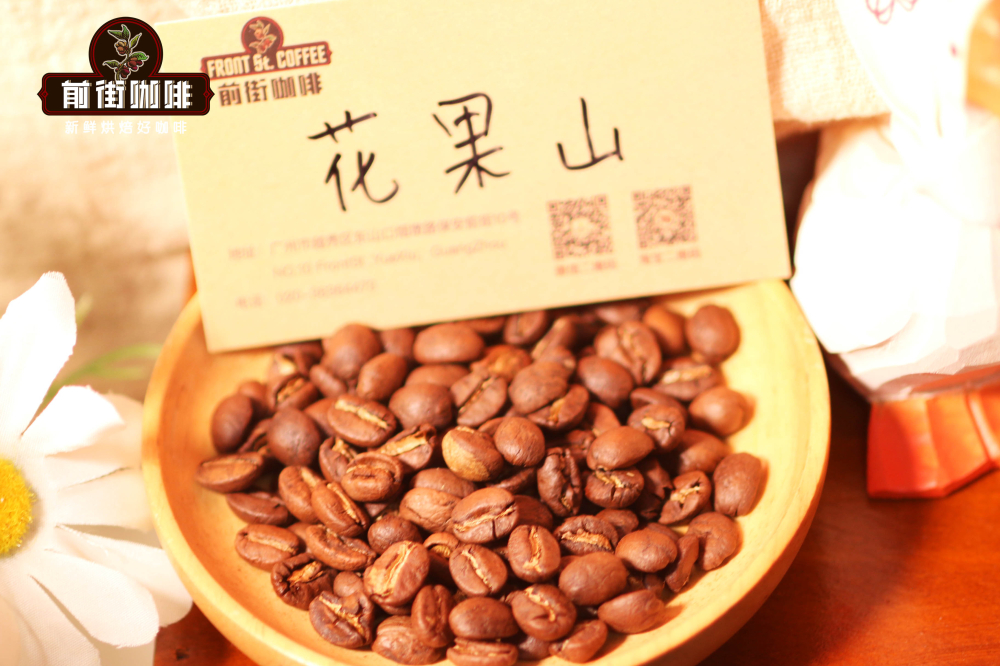
Typica was first introduced to Yunnan, China in 1904 by a French missionary, who planted the first batch of coffee seedlings in Zhukula. Before the 1980s, the main cultivated varieties in Yunnan were Typica and Bourbon—two classic Arabica heirloom varieties—both classified as “small-bean types,” distinctly different from the medium-bean Robusta grown in places like Hainan. Typica is known for its delicate acidity, diverse fruit notes, and smooth mouthfeel, with varieties such as Blue Mountain and Hawaiian Kona belonging to this type. However, due to its tall tree structure, low yield, and susceptibility to diseases like leaf rust, along with higher management costs, it has gradually been replaced by the high-yield Catimor variety. Nevertheless, some green bean farmers and brands, such as Baoshan Huaguoshan and the Lincang 2013 project, continue to grow Typica to preserve its unique flavor characteristics.
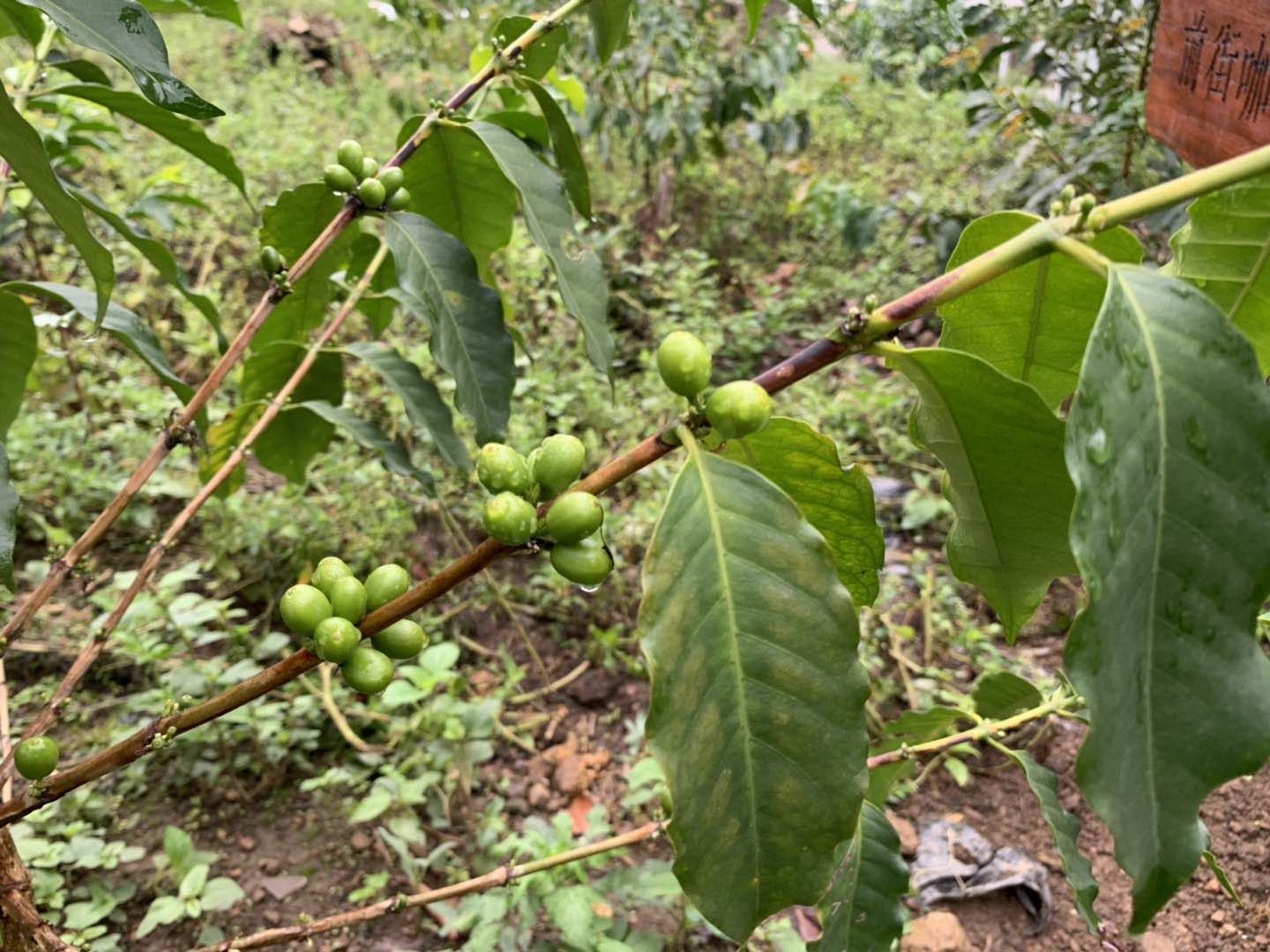
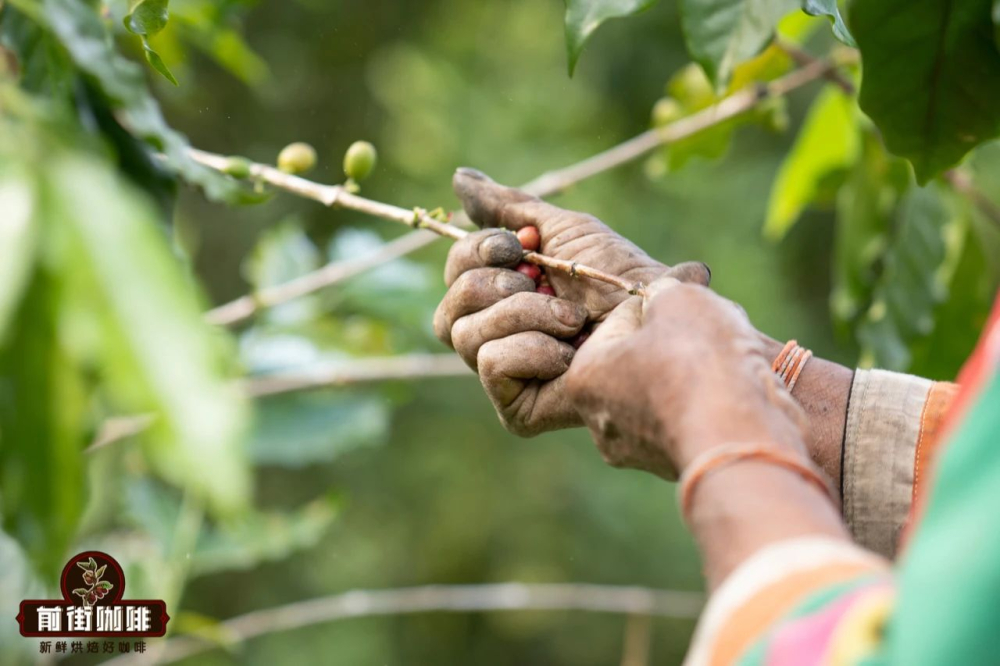
Located in western Yunnan, Baoshan is one of the earliest regions in the area to develop a coffee industry. The Luguangba region is home to a nationally renowned coffee-growing base, and its Xinzhai Village is even hailed as “China’s No. 1 Coffee Village.” The area enjoys a warm climate, a long frost-free period, fertile soil, and moderate rainfall, producing coffee beans that typically have less pulp and a fresh, sweet taste. The main harvest season runs from November to March of the following year, with mountain farmers hand-picking ripe red coffee cherries. Due to local conditions, most farmers process the beans using either washed or natural methods, with washing being the mainstream due to its ability to effectively control fermentation and suitability for rainy seasons. For example, Baoshan Huaguoshan Typica uses the washed process, where the pulp is removed through depulping and fermentation, resulting in the distinctive Typica traits of bright floral aromas, round body, noticeable fruitiness, and high cleanliness—a good match for coffee lovers who prefer subtle and mild flavors.
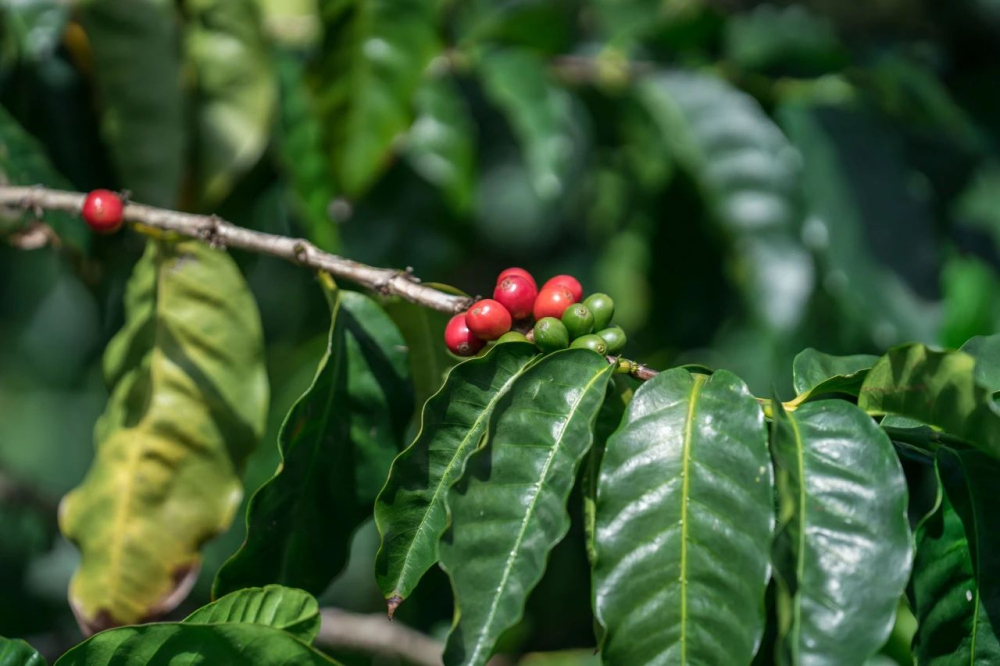
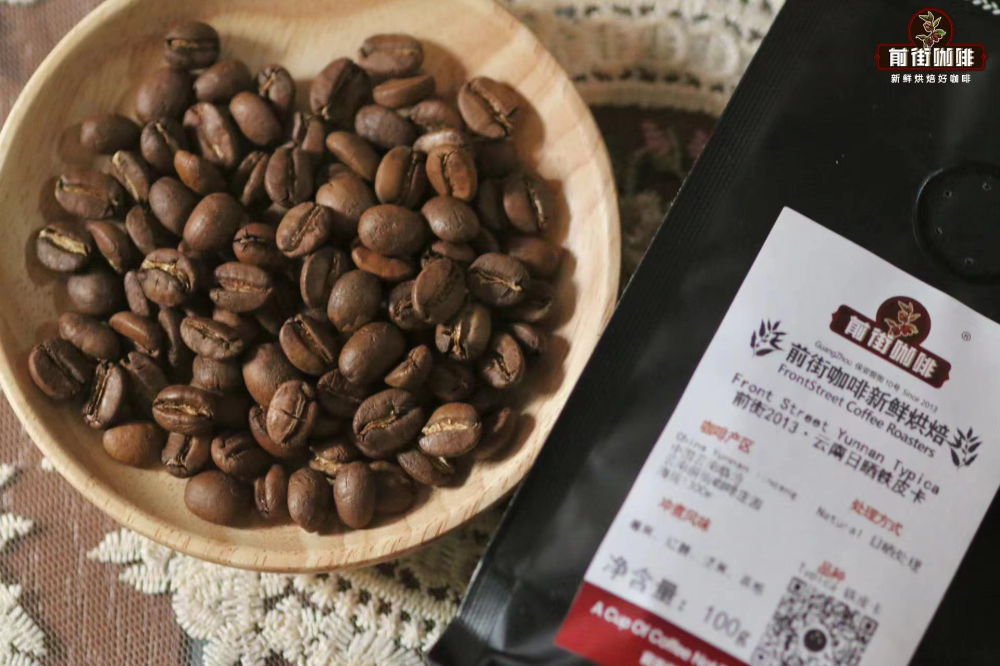
The Lincang region, influenced by the warm, humid airflow of the Indian Ocean and the southwestern monsoon, experiences a climate with indistinct seasons but clear dry and wet periods. With abundant sunshine and rainfall year-round, and parts of the area frost-free all year, it is highly suitable for the growth of Arabica coffee. The team moved into the region as early as 2013, personally engaging in everything from varietal selection to roasting, accumulating valuable experience in cultivation and processing. Due to Typica’s inherent low resistance to disease and relatively low yield, many coffee farmers have opted to switch to the disease-resistant and high-yielding Catimor. Yet, some still persist in planting original Typica, achieving their first harvest in 2020, processed using the natural method and named “2013.” During the natural drying process, the coffee cherries undergo strict floatation sorting, then are evenly turned under sunlight until the moisture content reaches the target level and the skins turn dark purple. This method imparts a richer fermented aroma, distinct sweetness, and complex layers of caramel, berries, and black tea, resulting in a more full-bodied flavor.
In terms of roasting strategy, Yunnan Typica is generally recommended to be roasted to a medium level to balance its acidity and body, fully showcasing its innate flavors. For pour over, this variety exhibits a well-balanced mouthfeel—not too acidic, not too bitter—and is well-suited for use with a V60 filter cone, paired with medium-fine grind size and moderate water temperature (around 90–92°C). Brewing with medium water flow at a slower pace can effectively highlight its fruity and sweet notes, while avoiding over-extraction that could lead to astringency. A general recommendation is a coffee-to-water ratio of approximately 1:15 to 1:16, with a brewing time controlled around 2 minutes, adjustable slightly according to personal taste.
As for the espresso domain, Yunnan natural Typica roasted to a medium level also delivers an outstanding performance. Its flavor profile includes aromas of brown sugar, chocolate, cream, and nutty cookie, with balanced acidity, bitterness, and sweetness—making it suitable as a single-origin espresso (SOE). Taking a commercial Lelit Bianca or a home-use 9-bar machine as examples, it is recommended to use a double shot basket (about 18–20 grams), with a grind size slightly finer than medium, a coffee-to-water ratio set at 1:2, aiming for an extraction yield of 40 grams within 28–30 seconds, yielding a rich and layered crema and mouthfeel. For those looking to prepare an Americano, adding hot water at a 1:4 ratio (about 160 ml) is recommended, which can bring out the aftertaste of plum, dried apricot, and black tea, delivering a mild and comforting flavor.
The above content is compiled by CoffeeHunters, a coffee news website.


