








Introduction:To enjoy a cup of coffee with the best flavor at home, proper storage is the key! This article delves into how four major factors—light, oxygen, humidity, and temperature—affect the freshness of coffee beans, and provides practical storage tips including container selection, placement, and debunking the myth of refrigerator storage. Master these techniques to experience the optimal extraction flavor of your coffee with every brew.
In recent years, more and more coffee enthusiasts have chosen to grind and brew their own coffee at home in pursuit of a purer coffee experience. However, many often overlook the importance of coffee bean storage. Improper storage can significantly shorten the optimal shelf life of coffee, causing the aroma and complexity of high-quality beans you’ve spent money on to deteriorate even before brewing.
So how should you store coffee beans to lock in their flavor and ensure every pour over cup is full of vibrancy? The answer lies in mastering four external environmental variables: strong direct light, oxygen exposure, moisture interference, and excessively high temperatures. These factors accelerate the oxidation and degradation of coffee beans, leading to aroma loss, flat taste, and even off-flavors.
The first and most immediate factor is light, especially direct sunlight or intense indoor lighting, which can cause the organic compounds in coffee beans to break down, accelerating flavor loss. It’s recommended to store coffee beans in an opaque cabinet or opt for storage containers made of dark glass or opaque metal to effectively block out light intrusion.
Next is oxygen, the most commonly overlooked invisible killer. Once coffee beans are roasted, they begin to produce carbon dioxide internally while also reacting immediately with oxygen in the air, leading to oxidation. Many specialty coffee packages are equipped with one-way degassing valves that release internal pressure while preventing oxygen from entering. However, for home storage, it’s recommended to use high-seal containers with rubber gaskets to avoid ordinary twist-off or press-and-seal lids, which cannot fully block oxygen.
Humidity is also a major enemy affecting coffee freshness. High-humidity environments can easily cause coffee beans to absorb moisture, not only accelerating oxidation but also potentially leading to mold growth or off-odors. Especially for coffee grounds, due to their larger surface area, they are even more prone to moisture absorption, clumping, and thus impacting extraction performance and taste. Therefore, be sure to store coffee in a dry and ventilated place, away from moisture-heavy areas such as sinks and stoves.
The final key factor is temperature. The ideal storage environment for coffee beans is cool and stable room temperature. Excessively high temperatures promote internal chemical reactions, causing flavor compounds to evaporate quickly. Avoid placing coffee beans near stoves, balconies, or even windowsills that receive direct sunlight. If you live in a particularly hot summer climate, consider storing coffee in cooler indoor corners, such as inside a closet or a relatively shaded storage space.
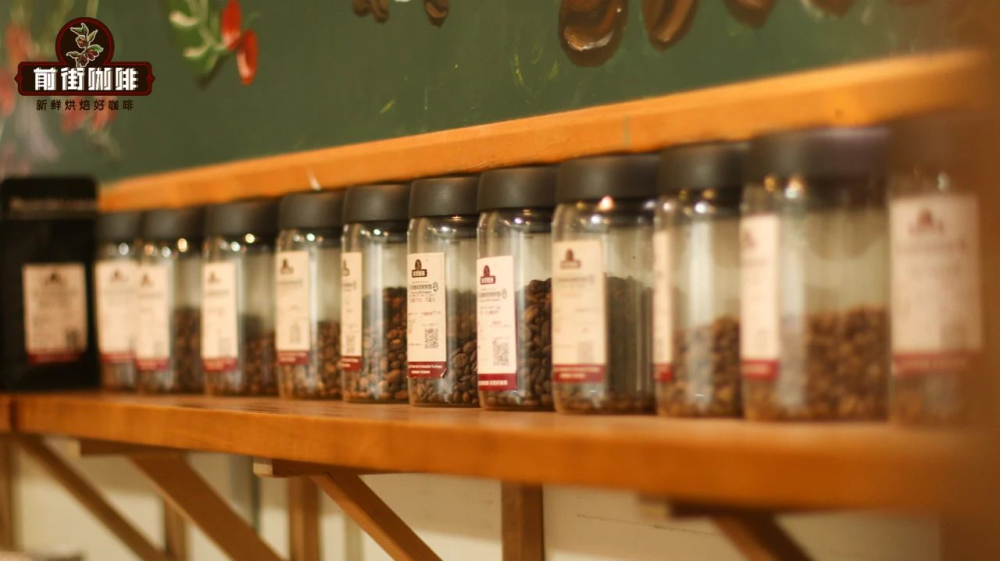
As for common misconceptions about storage methods, the most widely circulated one is “storing coffee in the refrigerator can extend freshness.” In reality, the large temperature difference between inside and outside the fridge can easily cause condensation on the surface of the coffee beans, leading to moisture absorption and spoilage. This not only fails to preserve freshness but may actually cause the coffee to lose its original flavor faster and even absorb odors from other foods. Unless you plan not to use the coffee beans for a long time, under normal circumstances, it is recommended to store them in a cool, room-temperature location instead.
So, how long can coffee beans and coffee grounds be stored respectively? Generally speaking, starting from the roast date, unground coffee beans can maintain their fresh flavor for about 40 to 60 days under ideal storage conditions. During this period, you can still enjoy relatively rich aromas and layers. Once ground into powder, due to the greatly increased surface area exposed to air, the aroma typically declines noticeably within one to two weeks. It is recommended to brew and enjoy them as soon as possible to experience the best extraction performance.
In summary, storing coffee beans is not as difficult as it seems. Just pay attention to avoiding light, isolating oxygen, preventing moisture, and controlling temperature, and choose suitable sealed containers and proper placement to effectively extend the coffee's shelf life. Master these basic principles, so that with every pour over coffee you make, you can savor the most authentic and captivating flavors coffee has to offer.
The above content is compiled by CoffeeHunters, a coffee news website.


