







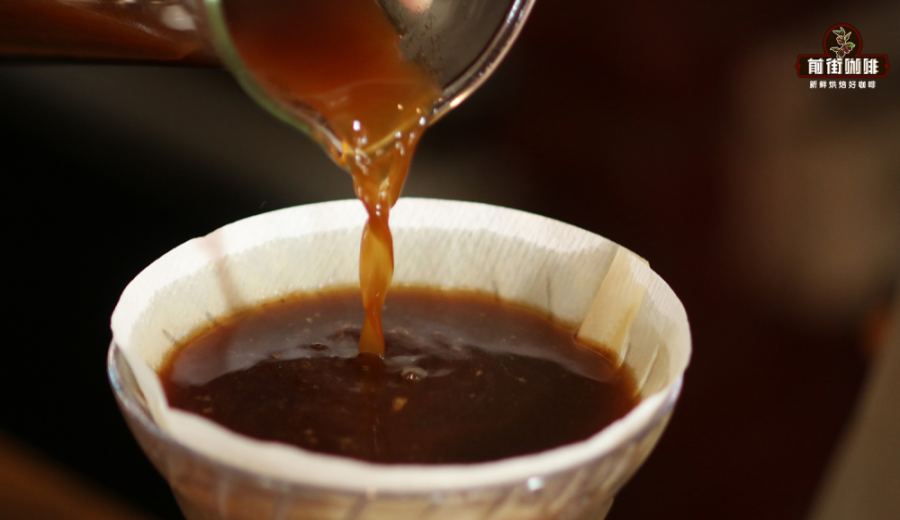
Introduction:Want to make a refreshing cold brew coffee at home by yourself? This article will introduce the two common methods of cold brew—cold steeping and ice drip—analyzing everything from the principles and step-by-step procedures to flavor differences. It also provides practical coffee-to-water ratios and grind size references to help you master stable extraction techniques. Additionally, we recommend a Kenyan Assalya bean that’s perfect for cold brewing, and explain how its K72 washed process and SL28, SL34 varieties deliver bright acidity and a crisp taste.
On a hot summer day, a chilled cup of coffee is often the top choice for many coffee enthusiasts. Compared to traditional hot brewing, cold brew uses low-temperature, long-duration extraction to give the coffee a smoother, sweeter taste while reducing bitterness and off-flavors, which is why it has become increasingly popular. However, cold brew can actually be divided into two main methods: cold steeping and ice drip. These two methods differ significantly in their extraction principles, required equipment, time needed, and final flavor profiles.
This article will not only delve into the operation processes and key parameters of both cold steeping and ice drip, but will also share recommendations on coffee-to-water ratios, grind sizes, and steeping times based on practical experience, making it easier for you to successfully brew a well-balanced cold brew coffee at home. Moreover, a special Kenyan Assalya coffee bean will be recommended, featuring the K72 washed process and showcasing surprisingly bright acidity and fruity notes, making it highly suitable for cold brewing.
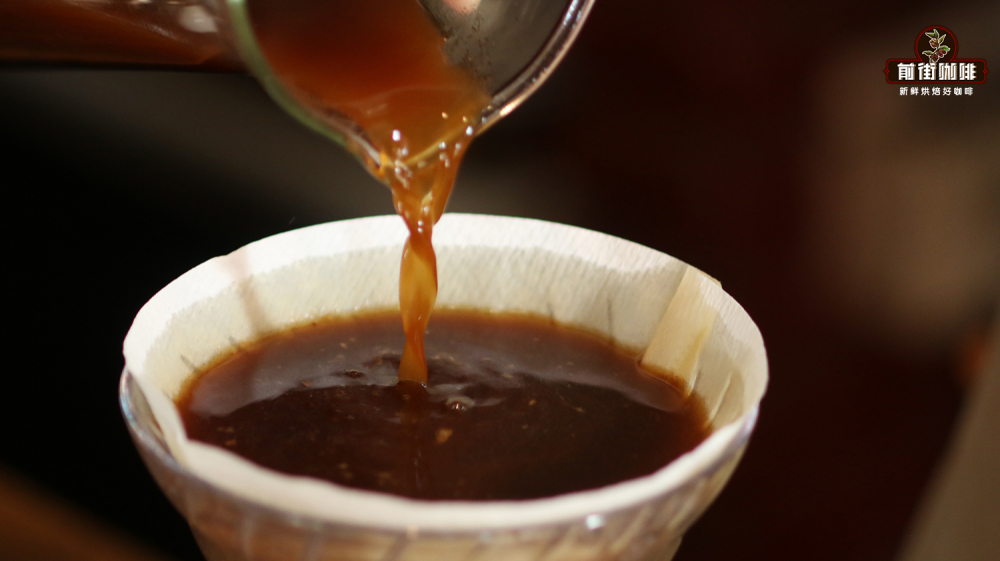
Cold steeping is one of the most common and beginner-friendly ways to make cold brew. This method involves placing ground coffee and cold water together in a container and letting it sit and steep, allowing the coffee flavors to gradually release over time. Compared to hot water extraction, the cold steeping process is gentler, reducing the release of acidic compounds and tannins, resulting in a smoother mouthfeel, brighter acidity, and almost no noticeable bitterness.
Generally, cold steeping requires simple equipment—just a sealed glass container and filter paper are enough, with no need for specialized gear, making it ideal for everyday home use. By controlling the coffee-to-water ratio and steeping time, you can adjust the strength to your personal taste. In shop practice, a 1:10 coffee-to-water ratio is commonly used as a base, allowing users to dilute with ice cubes according to preference and flexibly adjust the concentration.

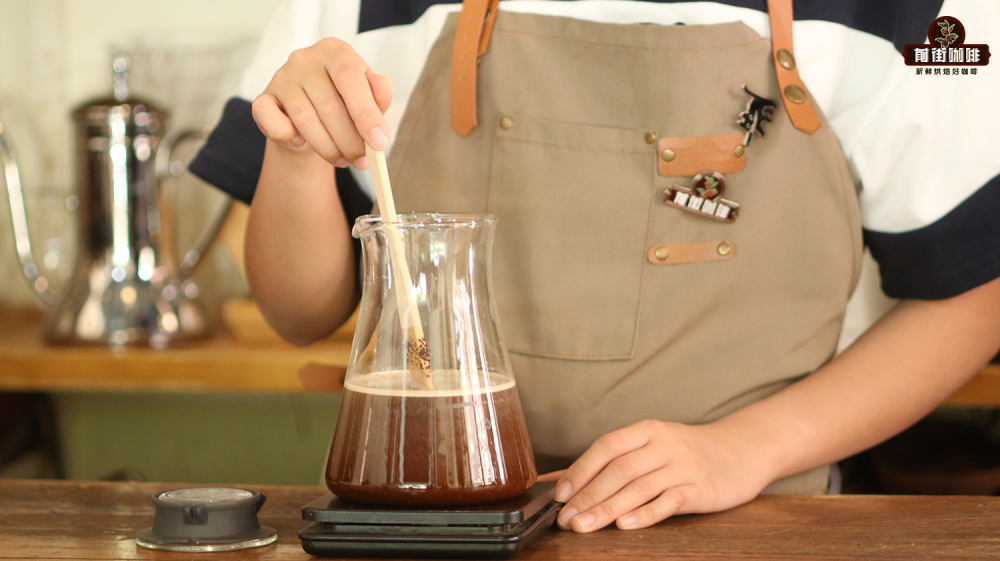
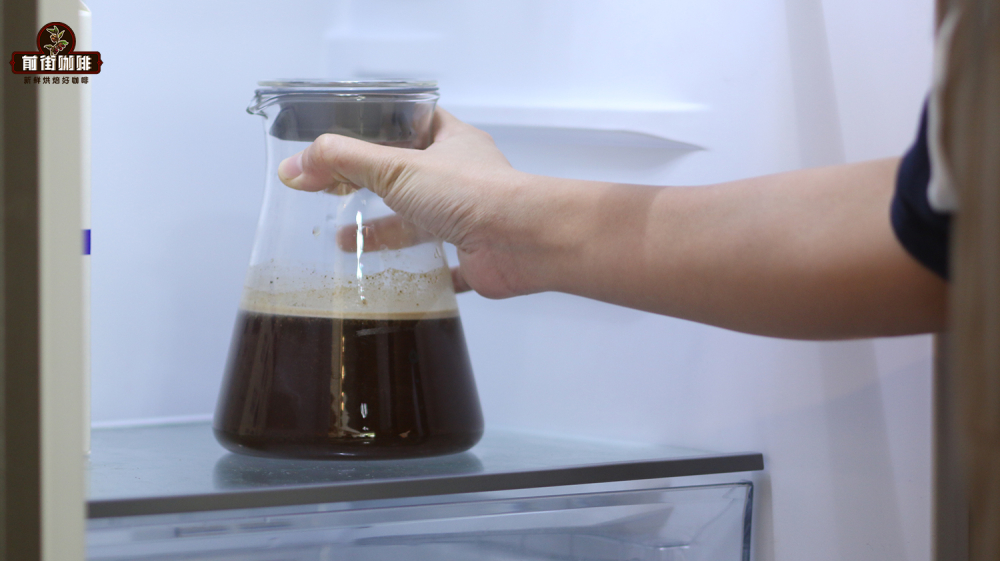
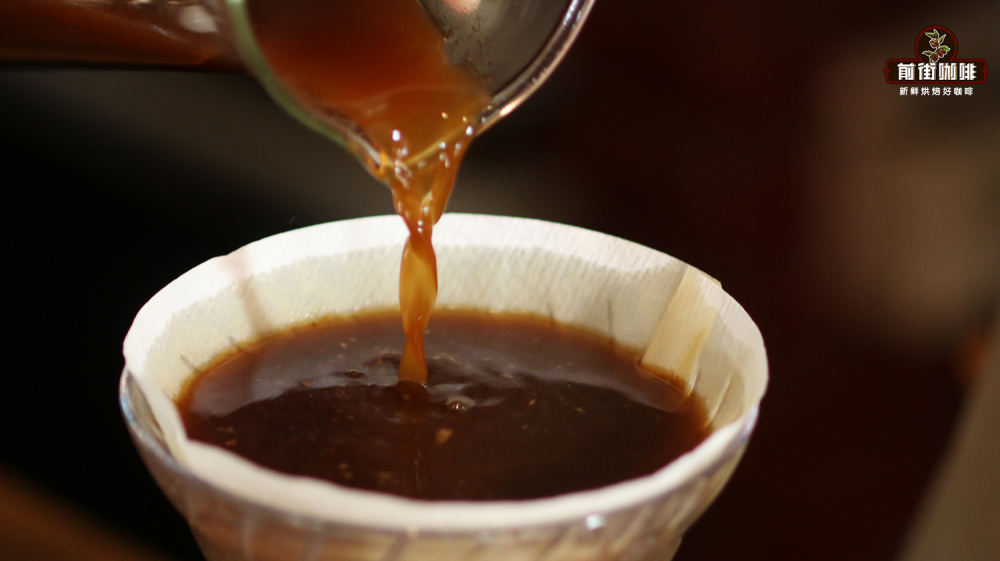
Taking 50 grams of coffee grounds as an example, it’s recommended to use a medium-coarse grind size with about 65% extraction rate through a standard Chinese No. 20 sieve. This grind size helps steadily release flavors during long steeping without over-extraction caused by being too fine. Mix the coffee grounds evenly with 500 grams of cold water, seal the container, and place it in the refrigerator. The recommended steeping time is 12 to 24 hours. After steeping, filter out the coffee grounds using filter paper, pour the coffee liquid into a clean container, and it’s suggested to refrigerate it for about 4 more hours before drinking to allow the flavors to meld better.
It’s worth noting that different steeping times will noticeably affect the flavor profile. The longer the steeping time, the more concentrated the sweet, sour, and bitter flavors become, and the stronger the intensity; if you prefer a lighter taste, it’s advisable to shorten the time. In addition, barista tests have found that grind size also affects extraction efficiency and the final mouthfeel, so beginners are advised to start with a slightly coarser grind to avoid over-extraction.

Another cold brew method—ice drip—involves slowly dripping ice water through a bed of coffee grounds to achieve ultra-low temperature extraction. Ice drip coffee originated in the Netherlands but has been widely developed and popularized in Japan and Korea, even becoming a signature drink in some local cafés. Its English names often include “Kyoto Coffee” or “Japanese-style slow-drip,” symbolizing a culture of refinement and slow extraction.
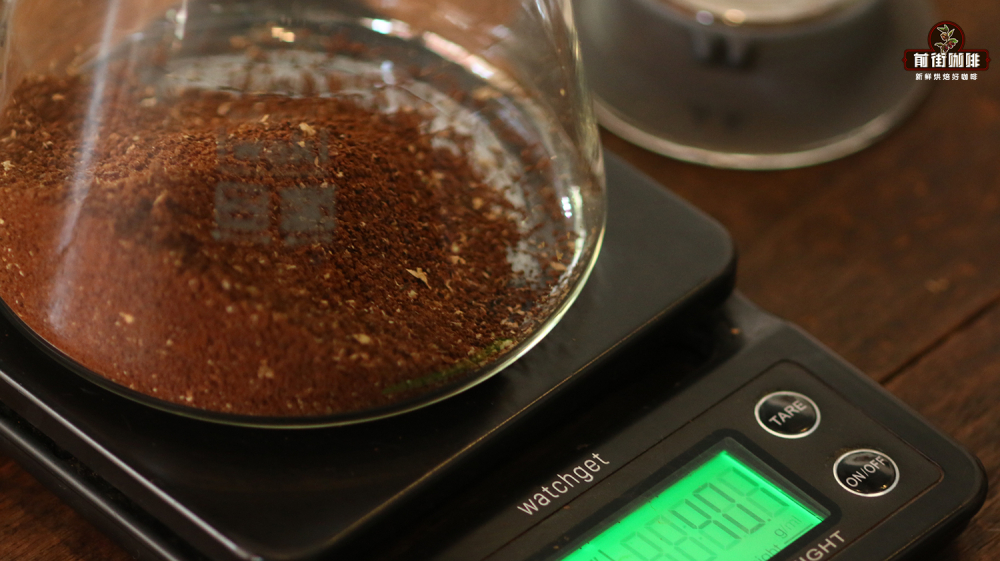
When making ice drip coffee, 60 grams of coffee grounds are typically used, also following a 1:10 coffee-to-water ratio. However, due to the lower temperature of the ice water and the slow dripping speed, the grind size is adjusted to about 85% extraction rate through a standard Chinese No. 20 sieve—relatively finer, but still avoiding being too fine to prevent clogging. The entire extraction process takes approximately 6 to 8 hours, depending on the dripping speed.
Ice drip equipment generally includes a coffee chamber, a water reservoir, and a dripping valve. To operate, first place a round filter paper at the bottom of the coffee chamber and wet it to adhere, then add the ground coffee and gently press it flat, followed by laying a second layer of filter paper to ensure even dripping. Pre-wet the coffee grounds with ice water to mimic the blooming effect in pour over brewing, which helps improve extraction consistency. Pour a 1:1 ice water mixture into the reservoir and set the dripping speed to 7 drops per 10 seconds, allowing the ice water to slowly permeate through the coffee grounds and extract delicate, layered flavors.
After extraction, bottle the coffee liquid and seal it. It’s recommended to refrigerate for several hours to let the flavors integrate further, after which you can enjoy this ice drip coffee—rich yet refreshing, much like ice wine.
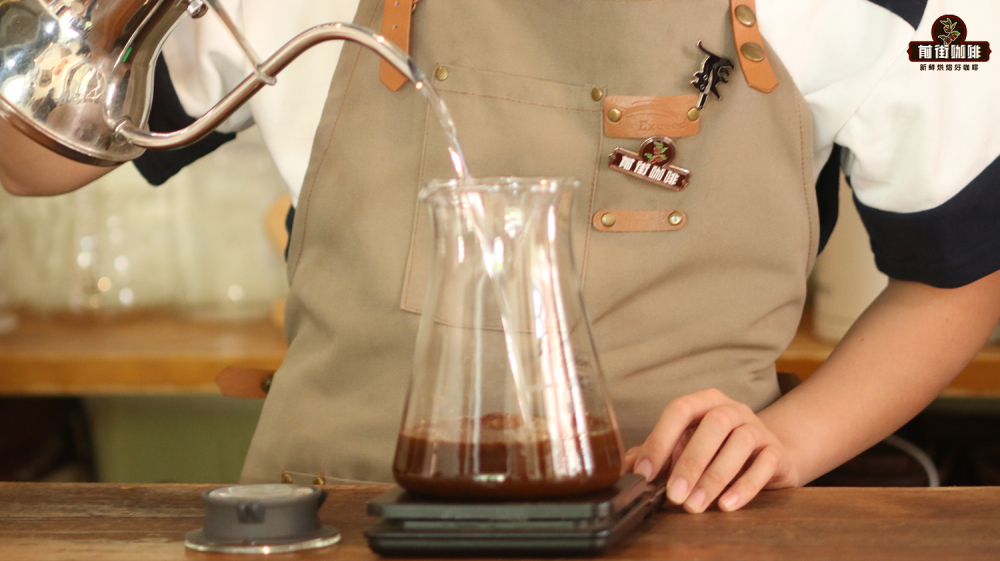
When it comes to coffee beans suitable for cold brewing, a Kenyan Assalya bean is highly recommended. This bean is grown in the Thika region at an altitude between 1550 and 1750 meters, and is of the classic Kenyan SL28 and SL34 varieties. It undergoes the K72 washed process, which involves three 24-hour fermentation cycles totaling 72 hours of fermentation time, resulting in a coffee with clear, bright acidity and rich fruity aromas.
Both SL28 and SL34 are classic Kenyan cultivars—the former with Bourbon lineage, offering lively and layered acidity; the latter closer to Typica, with relatively softer acidity. Coupled with red soil rich in phosphates and the deep fermentation of the K72 process, this bean showcases fresh fruit notes like cherry tomatoes and grapefruit when cold brewed. Its acidity is clean and not overly sharp, making it perfect for summer enjoyment.
Nicknamed the “little tomato,” this Kenyan coffee bean retains clear fruity flavors and bright acidity even when processed via cold brew. The overall taste is refreshing and layered, not only providing a cooling sensation but also showcasing the diversity of specialty coffee. If you enjoy cold brew with pronounced fruity tones and a balanced sweet-and-acid profile, this bean is an unmissable choice.
Whether you choose cold steeping or ice drip, the key lies in mastering the right coffee-to-water ratio, grind size, and extraction time. Cold steeping is simple and easy to start with, ideal for everyday enjoyment; ice drip offers a more ritualistic and challenging experience, suitable for coffee lovers who want to deeply explore the art of cold brewing. Through hands-on practice and fine-tuning, you can also create your own unique refreshing cold brew coffee at home, enjoying each cool yet complex sip.
The above content is compiled by CoffeeHunters, a coffee news website.


