







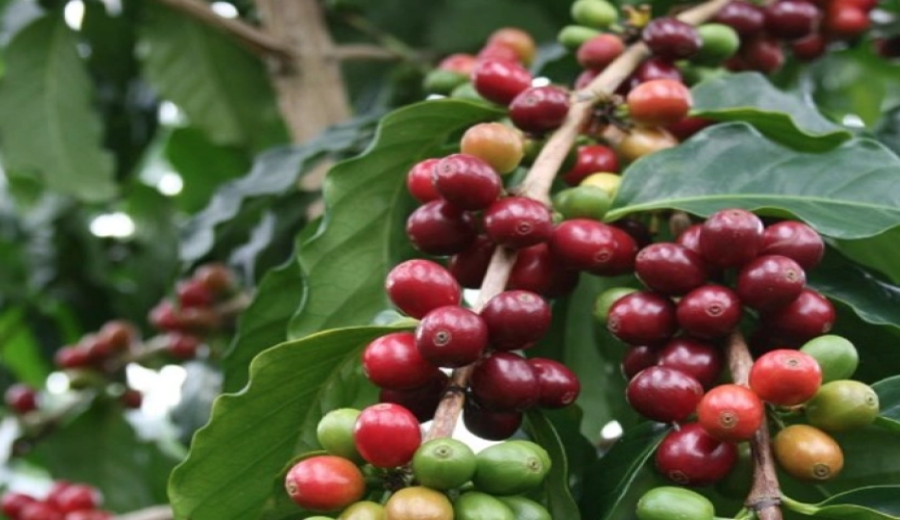
Introduction:As the birthplace of coffee, Ethiopia boasts the world’s richest coffee gene pool and most diverse growing regions. This article delves into six renowned regions—Sidamo, Yirgacheffe, Guji, Harrar, Limu, and Jimma—analyzing their altitudes, processing methods, and flavor profiles to help you grasp each area’s unique characteristics and ideal brewing parameters, guiding you to select the specialty coffee beans that suit your palate best.
Ethiopia is not only a genetic treasure trove of coffee but also a holy grail for global specialty coffee enthusiasts. From the highland fragrance of Sidamo to the fresh floral and fruity notes of Yirgacheffe, each region, shaped by its geographical environment and processing techniques, produces distinctly unique flavor profiles. This article will provide a comprehensive overview of Ethiopia’s six representative regions, including their historical backgrounds, microclimate features, processing methods, and most iconic flavor expressions, along with practical brewing references to help you better appreciate the essence of these coffees.
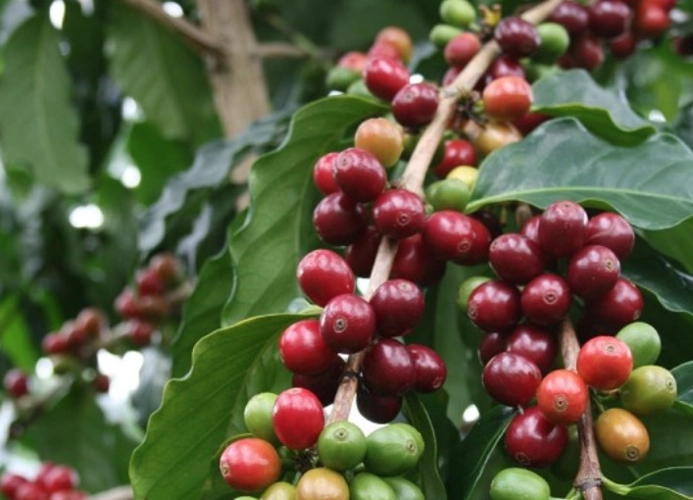
When it comes to Ethiopian coffee, many people first think of the citrusy floral notes of Yirgacheffe or the rich fruity tones of Sidamo. Behind these well-known flavors lie complex geographical and cultural factors. Research suggests that the earliest Arabica coffee likely originated in Ethiopia, where the Kaffa forests still harbor a large number of uncategorized wild varieties, estimated to range from two thousand to four thousand five hundred types. This astonishing biodiversity is the foundation of Ethiopian coffee’s diverse flavors.
Among the many regions, Sidamo and Sidama are often confused, but they actually have distinct origins. Sidamo is located on the southern highlands of Ethiopia, with elevations ranging from 1700 to 2200 meters. The climate is humid and the soil is fertile, and it was historically known for producing coffee with full-bodied flavors, featuring floral, grape, and citrus aromas. After the administrative reshuffling in 2005, multiple areas within the former Sidamo province became independent regions, including Yirgacheffe, which was assigned to the Gedio zone, while Guji established itself as an independent region within the Oromia zone. In 2020, Sidama gained official recognition as an independent region after receiving international acclaim at the CoE (Cup of Excellence), showcasing its remarkable quality potential.
The name Yirgacheffe, in the local language, means “settled by the damp.” Originally a sub-region of Sidamo, it applied for independent trademark status due to its uniquely distinctive flavors. Its classic flavor profile is dominated by citrus, berries, and intense floral notes, paired with a clean tea-like body, making it the “first love taste” for many coffee beginners. Traditionally, Yirgacheffe coffee is mostly processed using the natural (sun-dried) method, but since the introduction of washed processing techniques in the mid-20th century, washed Yirgacheffe has gained widespread popularity for its clean, bright acidity and stable quality. After the natural processing revival movement in the 1970s, sub-regions like Aricha improved their sun-drying techniques, allowing the coffee to showcase complex layers such as passion fruit, pineapple, multiple berries, and honey. Yirgacheffe’s two major sub-regions, Kochere and Gedeb, also each have their own unique traits—the former excels in green lime and black tea notes, while the latter presents honey and soft yellow lemon flavors.
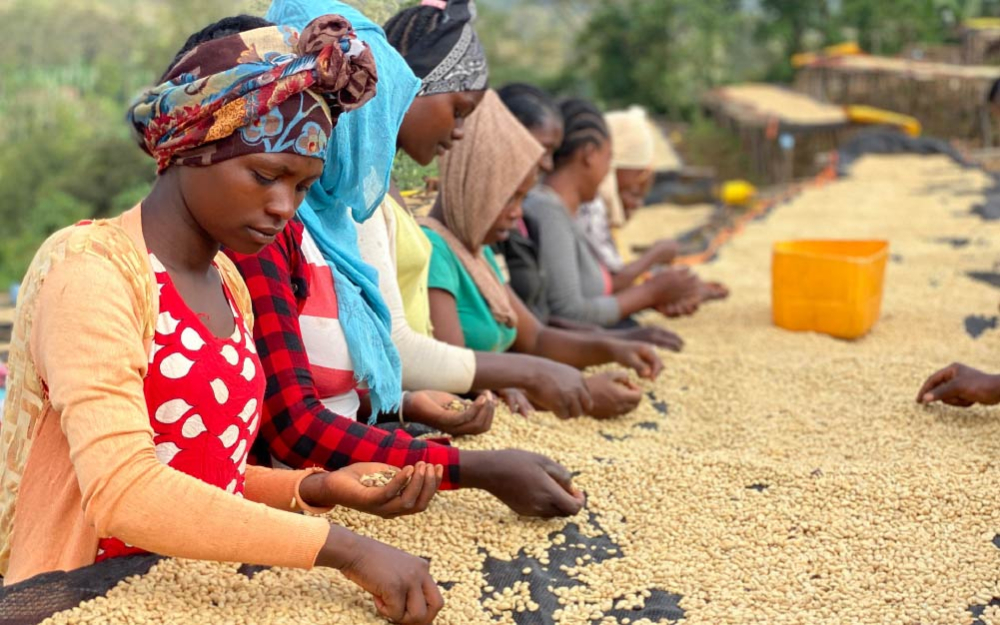
Guji (also spelled Gugi) is a region that has risen rapidly in recent years. Originally part of Sidamo, it officially became independent in 2002. With elevations ranging from 1950 to 2350 meters, the region features mineral-rich soils and diverse microclimates, producing coffee with a fineness of flavor that rivals even Yirgacheffe. Sub-regions such as Shakiso, Hambela, and Uraga often yield coffee with elegant floral notes. In 2019, the African competition Taste of Harvest crowned champions in both the washed and natural categories from this area, highlighting its exceptional potential.
The Harrar region is located in the eastern highlands of Ethiopia and is one of the country’s oldest and highest-altitude coffee-growing areas. The climate here is cool and dry, and the predominant processing method is natural (sun-dried). The beans are typically elongated, contrasting with the shorter, rounder beans of Yirgacheffe. The region’s unique Mocha variety carries a distinct chocolatey note, which is also the origin of the term “Mocha coffee.” Harrar’s specialty coffees often exhibit bright acidity reminiscent of blueberries, along with fermented wine-like aromas, delivering a uniquely layered flavor experience.
The Limu region is situated north of Sidamo and is characterized by a mix of smallholder farmers and government-owned estates. The region mostly employs washed or semi-washed processing methods, sometimes blending with natural techniques. Its flavor profile is dominated by soft acidity, citrus, and floral notes, occasionally with a hint of wine-like tartness, making it suitable for those who prefer a mild balance of sweet and acidic flavors.
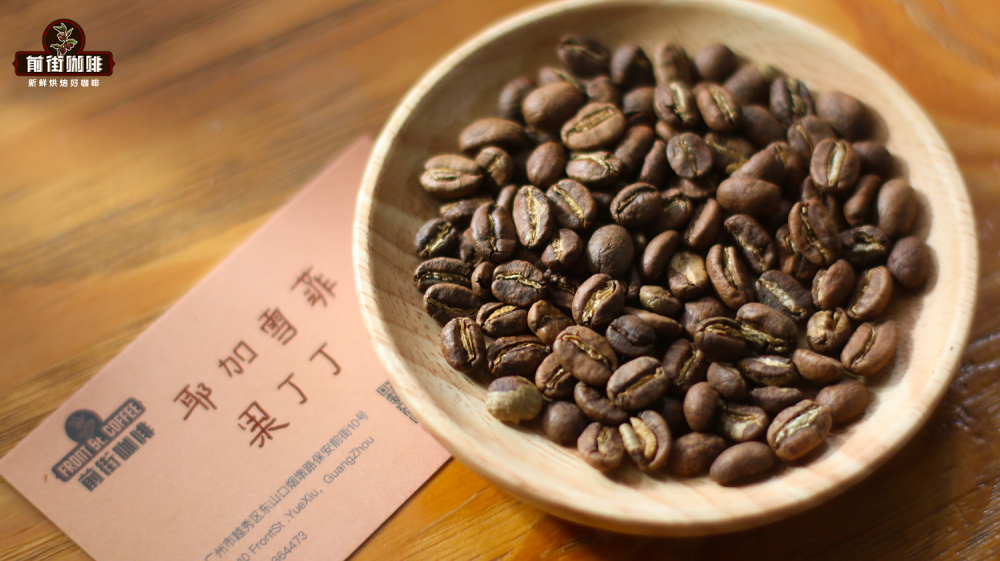
Jimma is located in Ethiopia’s southwestern Kaffa region and is the country’s largest coffee-producing area, with planting elevations ranging from 1400 to 2100 meters. Coffee from this region is predominantly processed using the natural method, and the beans are generally smaller. Its flavor is characterized by a rich spice sensation, thick cocoa notes, and subtle wine-like aromas, with a full body that is often used in premium blends to add depth and complexity.
In summary, Ethiopia’s six major regions each possess unique flavor characteristics and processing traditions, ranging from fresh floral and fruity notes to rich chocolatey tones, catering to the diverse palates of coffee enthusiasts. Understanding the distinctiveness of these regions not only helps you select the coffee beans that best match your taste but also allows you to adjust grinding fineness, water temperature, and extraction time during brewing based on flavor profiles, further enhancing your coffee tasting experience.
The above content is compiled by CoffeeHunters, a coffee news website.


