







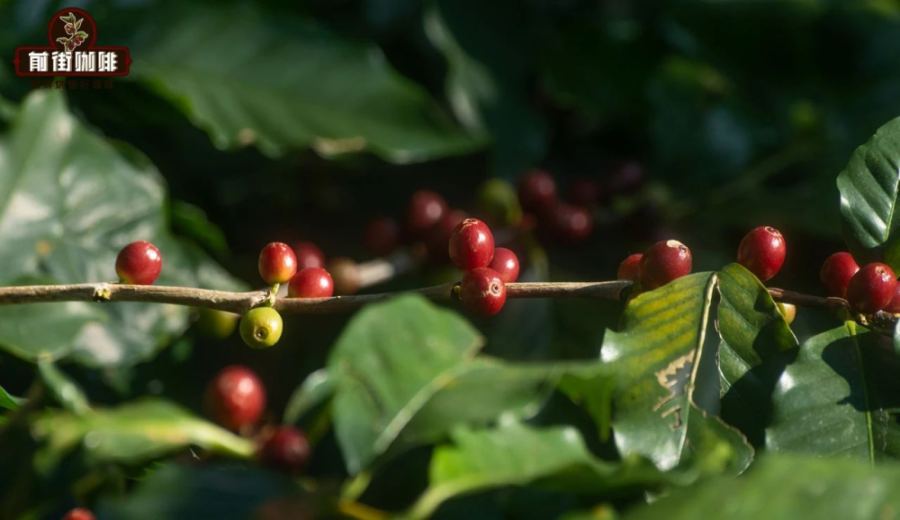
Introduction:Delve into Ethiopia’s geographical advantages as the birthplace of Arabica, explore the unique ecology of wild coffee in the Kafa rainforest, compare the varietal differences between Kafa landrace and Panamanian Geisha, and provide practical V60 three-stage pour over parameters and extraction tips to help you fully grasp the essence of these two classic coffee flavor profiles.
Ethiopia is not only the birthplace of Arabica coffee but also home to the world’s most diverse coffee gene pool. The Kaffa Zone in the country’s southwest is not only the legendary origin of coffee discovery but also still hosts a large number of native Arabica coffee trees growing in high-altitude cloud forests, forming a unique wild coffee ecosystem.
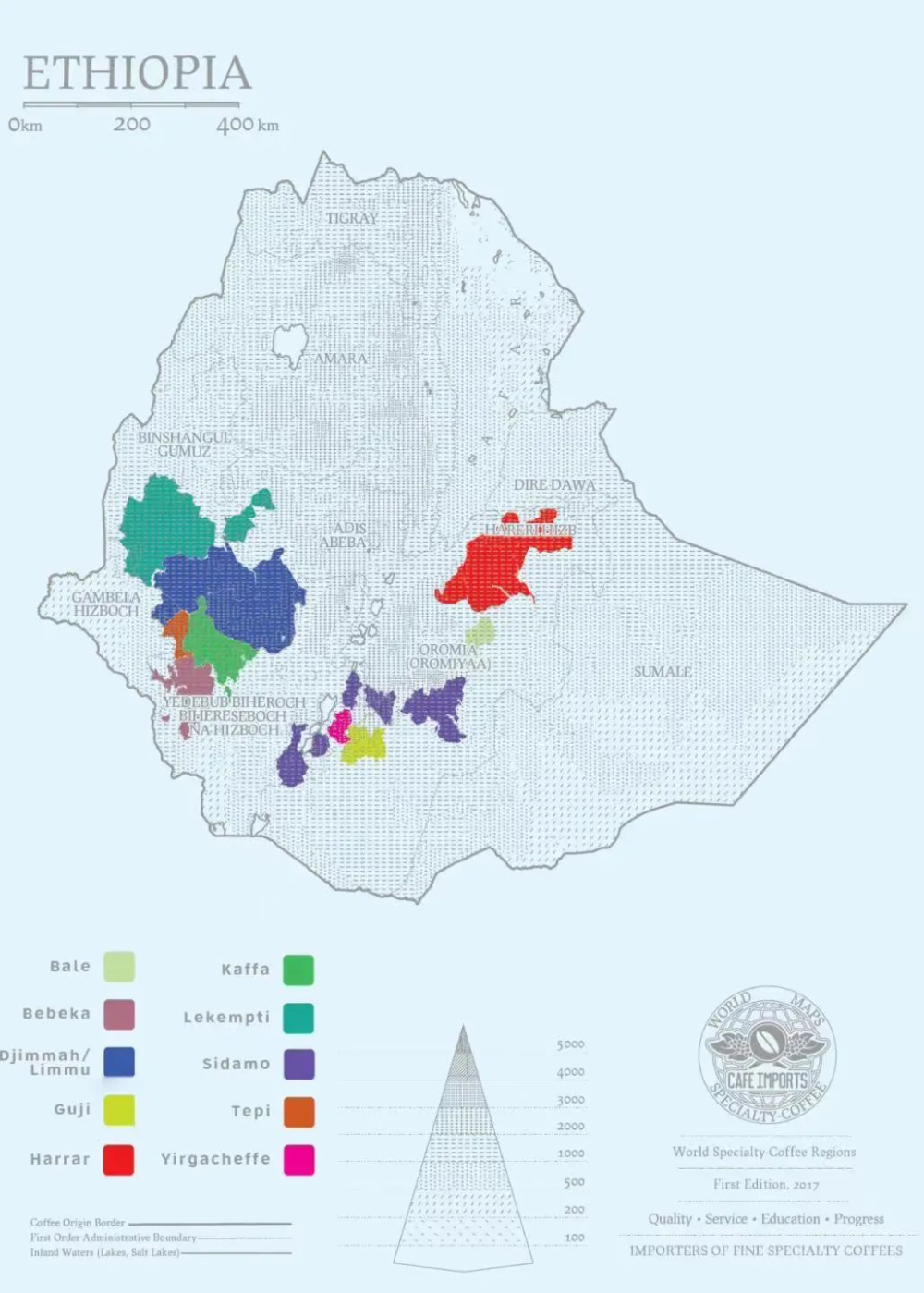
The African continent, due to its location straddling the equator, generally enjoys a warm climate, along with its plateau terrain and abundant water resources, making it an important coffee-producing region. Ethiopia lies on the East African Plateau, mostly mountainous, with the Ethiopian Highlands covering most of the country. The East African Rift Valley runs north to south, surrounded by numerous volcanoes and rivers, creating diverse microclimates and fertile soils that provide ideal conditions for coffee cultivation.
The country is divided into 12 states and 2 autonomous regions, with over 10 well-known coffee-growing regions, including Sidamo, Yirgacheffe, Harrar, Guji, and Kaffa. Among them, Yirgacheffe was originally part of Sidamo but became an independent region due to its distinctive flavor profile, thriving at high altitudes (1750–2200 meters) and with ample rainfall, yielding bright acidity and floral-fruity aromas.
One brand’s regular blend series includes a washed Yirgacheffe landrace bean, medium-light roasted, presenting lemony acidity, citrus, and berry notes, with a refreshing and clean mouthfeel—ideal for those who enjoy fruity flavors.
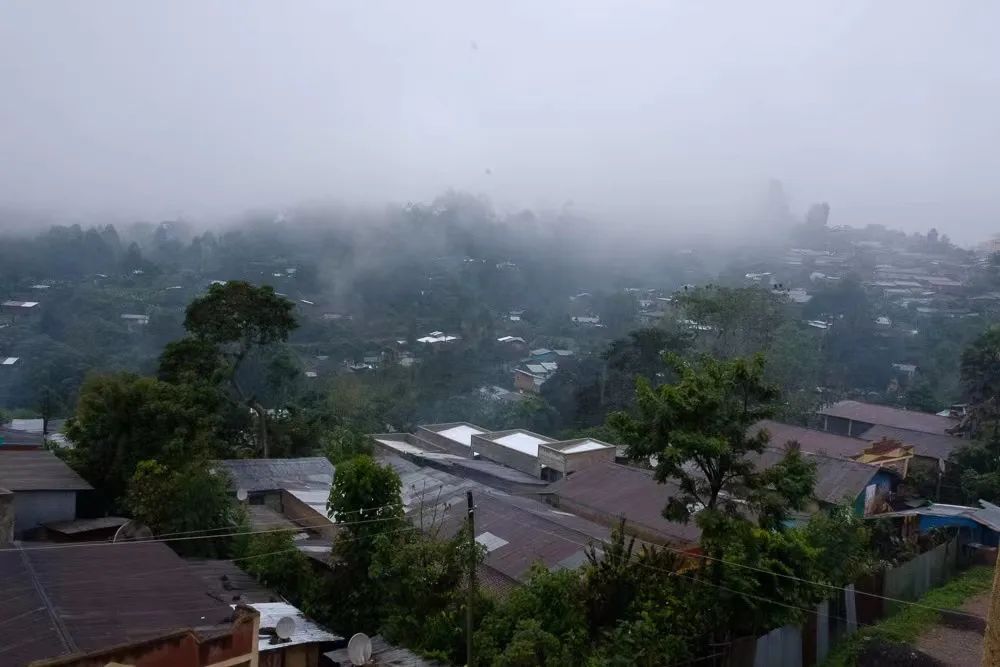
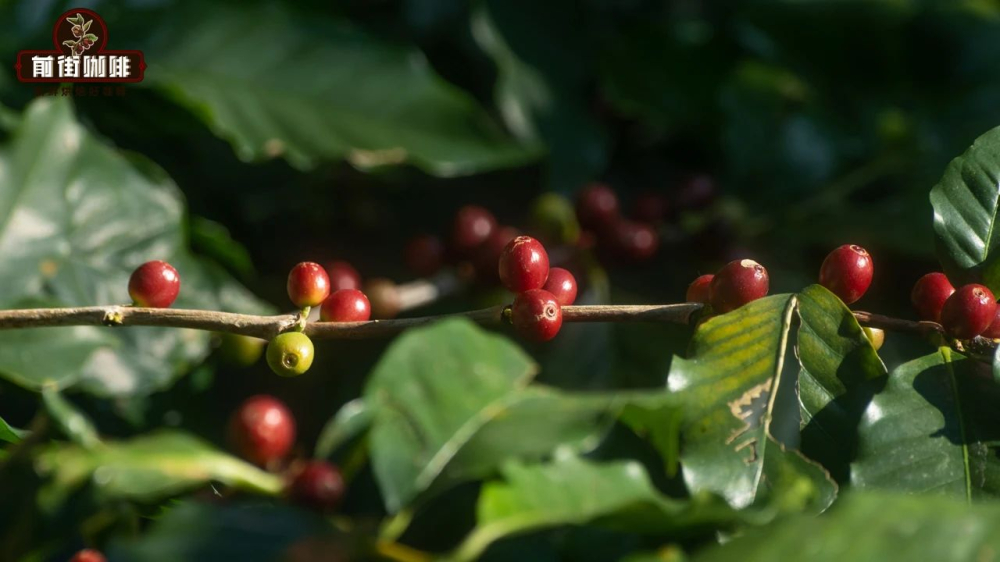
When discussing Ethiopian coffee, one cannot overlook the Kafa region. Located in the current Southern Nations, Nationalities, and Peoples' Region (formerly part of the Southern Nations State, which became independent after a 2021 referendum), this area features mainly humid rainforests and is home to the globally renowned Kafa Biosphere Reserve. Covering an area of 760,144 hectares, this reserve encompasses more than half of Ethiopia’s mountain forests and is estimated to host around 5,000 coffee tree varieties, making it a genetic treasure trove and diversity hub for wild Arabica coffee. Around 30 local coffee cooperatives are dedicated to harvesting wild coffee cherries from the forest, followed by processing and sales.
Coffee trees in the Kafa forest primarily grow in shaded environments at elevations of 1400 to 2100 meters, where red soil, high humidity, and stable rainfall create ideal growing conditions. A certain brand’s Kafa Forest washed bean comes from this region, classified as G1 landrace, and after medium-light roasting, it emits white floral notes. The cup opens with bright lemon acidity, accompanied by sweet orange, bergamot, and apricot flavors, with a lingering finish of faint melon and nutty aromas. The overall flavor profile resembles green tea—refreshing and pleasant.
It is worth noting that since the Kafa region is also the legendary birthplace of the Geisha variety (with the Gesha Mountain area being the origin of its name), some merchants mistakenly refer to or market this coffee as “Kafa Forest Geisha.” However, this bean is actually a common Ethiopian landrace, completely different from Panamanian Geisha in variety.
When mentioning Geisha, it generally refers to the coffee originating from Panama, once classified under variety number T2772, renowned for its slender bean shape (tapered at both ends with a plump middle, often curling inward after roasting like a hot dog bun) and its unique floral-fruit aroma. Compared to traditional bold and heavy coffee flavors, Panamanian Geisha showcases a layered profile akin to a fresh floral tea, rich in fruitiness and delicate acidity-sweetness, with noticeable flavor transitions as temperature changes—deeply loved by coffee enthusiasts.
To experience the classic Geisha flavor, it is recommended to choose Geisha beans from Panama’s Boquete region, known for high-altitude cultivation and refined processing, rather than mistaking Ethiopian Kafa Forest landrace beans for Geisha.
To fully highlight the floral-fruit characteristics of Kafa Forest washed beans, baristas from a certain brand often use the V60 dripper for a three-stage pour over to control extraction evenness and accentuate the bright, tangy layers. The V60 dripper’s design features a large central hole and spiral flow channels, effectively extending the water-coffee contact time while improving flow rate, resulting in a layered and clean-tasting coffee extraction.
Recommended extraction parameters are as follows: use 15 grams of coffee grounds, a 1:15 coffee-to-water ratio, with water temperature controlled at 91–92°C, and grind size similar to fine sugar (approximately 80% passing through a #20 sieve). The three-stage pouring steps are: first, pour 30 grams of water for a 30-second bloom to form an even dome; second, pour 95 grams of hot water, and when the coffee bed has descended by about half, continue with the third pour of 100 grams until the dripping finishes. Maintain a small stream and center-circle pouring throughout to avoid over-extraction or unevenness. Finally, gently swirl the coffee slurry before tasting to enjoy its full flavor profile starting from high temperature.
Coffee brewed this way from Kafa Forest washed beans delivers upfront notes of yellow peach, sweet orange, and grapefruit-like juicy acidity, with distinct yellow stone fruit characteristics, complemented by moderate sweetness—like sipping a refreshing, sweet juice. The overall flavor is lively and fresh, perfect for coffee lovers who enjoy fruity notes and bright acidity.

The above content is compiled by CoffeeHunters, a coffee news website.


