








Introduction:Yirgacheffe coffee is renowned for its distinctive citrus acidity and refreshing floral aroma, making it the first step for many coffee beginners entering the world of specialty coffee. This article will delve into the G1 washed beans from Ethiopia’s Haru Cooperative, analyzing its regional background, processing methods, and delicate flavors to help readers gain a more comprehensive understanding of the unique charm of this classic washed Yirgacheffe, while also providing practical tasting references.
Ethiopia is one of the birthplaces of global specialty coffee, and Yirgacheffe is one of its most representative regions. The coffee from this area is often known for its bright acidity, rich floral and fruity notes, and smooth mouthfeel, particularly favored by pour over enthusiasts. Among them, the G1 washed Yirgacheffe produced by the Haru Cooperative not only retains the classic flavor characteristics of the region but also offers a highly recognizable tasting experience at a relatively accessible price, making it very suitable for everyday drinking or entry-level appreciation.
The coffee-growing regions within Ethiopia can be roughly divided into eight major areas, including Ekempti, Limu, Illubabor, Djimma, Harrar, Teppi/Bebeka, Sidamo, and Yirgacheffe. Among these, Yirgacheffe is located in the Gedeo zone in the southern part of the country, which also includes well-known sub-regions such as Kochere. Because the coffee produced in these areas shares highly similar flavor profiles and all exhibit light and bright tonalities, they are often collectively categorized as Yirgacheffe and enjoy an exceptionally high reputation in the global specialty coffee market.
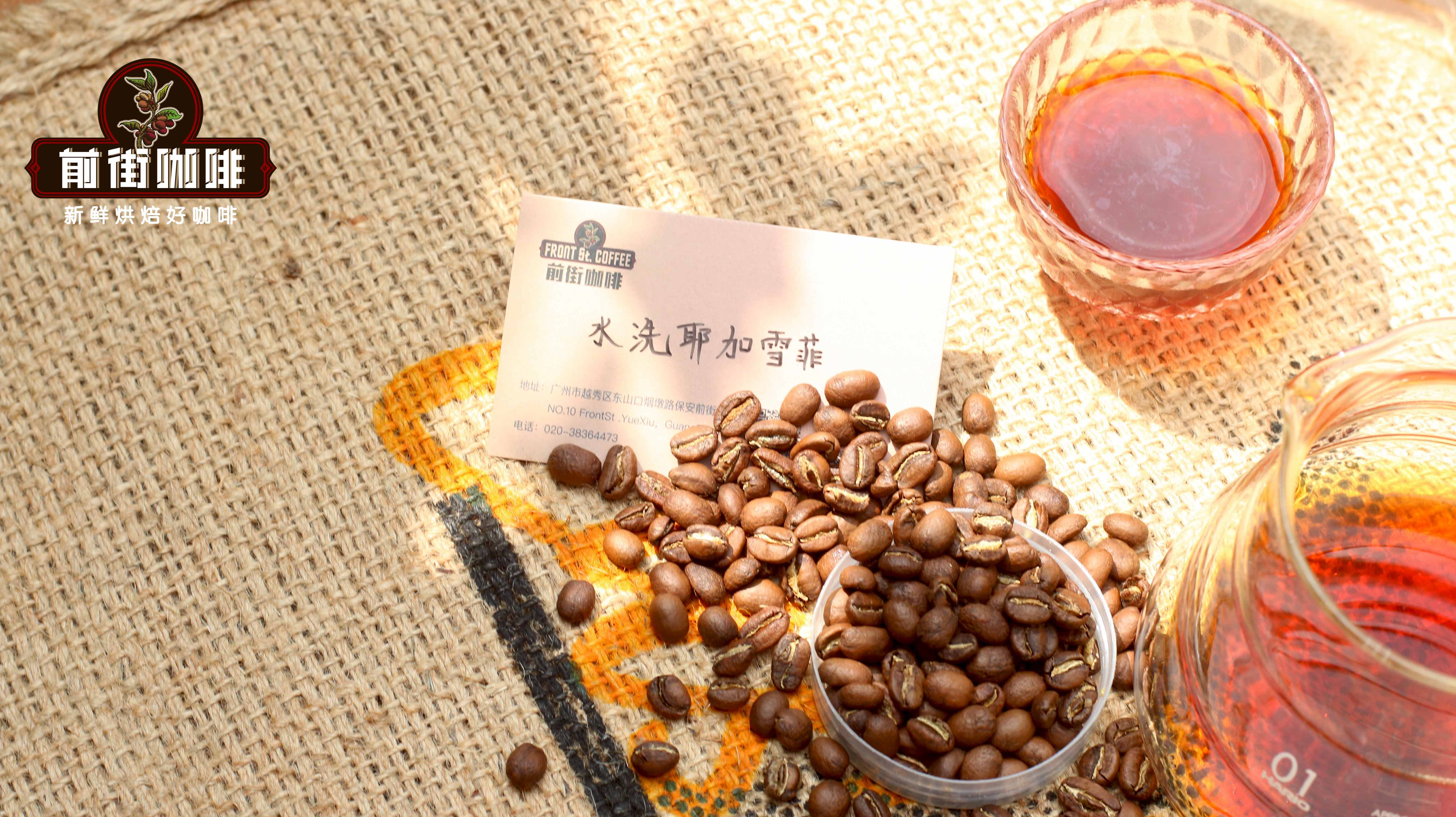
Yirgacheffe was originally a small town within the Sidamo province, encompassing smaller producing areas such as Wenago, Kochere, and Gelena Abaya. The planting altitudes in these regions mostly range between 1,700 and 2,300 meters, with cool and humid climates, coupled with mineral-rich soils, creating abundant flavor potential in the coffee cherries. It’s worth mentioning that in 2009, the Ethiopian government established the Ethiopia Commodity Exchange (ECX), which implemented a unified grading and auction system for national coffee production. This further designated Wenago, Kochere, and Gelena Abaya as independent sub-regions, reflecting the official recognition of the nuanced and distinctive flavors of these areas.
Currently, most Ethiopian coffee is still publicly auctioned and traded through the ECX system, but cooperatives and specific estates can bypass this system and directly engage with international buyers for export. The Haru Cooperative is one representative of this operational model, with its G1 washed beans going directly to market, preserving more production-side details and quality control.
The Haru Cooperative was established in 1976 and has maintained stable cooperation with the YCFCU (Yirgacheffe Coffee Farmers Cooperative Union) since 2002. The community is located on the western edge of the Yirgacheffe producing region, just about 35 kilometers from Dilla town, enjoying exceptionally favorable growing conditions overall. The coffee farms are mostly distributed across highlands at elevations of 1,800 to 2,300 meters, with abundant annual rainfall of approximately 1,400 to 1,800 millimeters, along with red-brown soil, providing ideal growth conditions for coffee trees. The cooperative operates its own high-altitude wet processing mill, ensuring the coffee cherries are processed in the best possible environment to fully express their terroir.
The Haru Cooperative currently has nearly 1,100 smallholder farmer members, with each farmer cultivating an average of only about 2 to 3 acres of land. They mostly manage their coffee fields using organic methods and also grow food crops for their own consumption on the same plots, maintaining agricultural diversity and ecological balance. In terms of variety, these G1 washed beans use local heirloom varieties—Ethiopia’s unique multi-lineage hybrid coffee trees with extremely high genetic diversity, which is also one of the key reasons behind the rich and varied flavor profile of Yirgacheffe coffee.
This G1 washed Yirgacheffe from the Haru Cooperative showcases classic flavor notes including bright white floral tones, refreshing citrus acidity, and a finish of juicy peach with delicate fruitiness. The overall mouthfeel is clean and layered, making it highly suitable for extraction via pour over. It is recommended to use a medium-light roast level, paired with a medium-fine grind (such as a filter basket specification of 18–20 mesh sieve pass rate), with water temperature controlled between 90–93°C, to further highlight its floral and fruity aromas and balanced acidity-sweetness.
In summary, the G1 washed Yirgacheffe from the Haru Cooperative is an excellent choice for understanding the essence of Ethiopia’s Yirgacheffe producing region. Whether as everyday drinking coffee or as a starting point for exploring the flavors of specialty coffee, this coffee offers distinct regional characteristics and an elegant taste experience at a reasonable price.
The above content is compiled by CoffeeHunters, a coffee news website.


