







Introduction:Brazilian coffee is renowned for its stable flavor profile and high cost-performance ratio, making it a common base in espresso blends. This article provides an in-depth analysis of four classic espresso blends primarily based on Brazilian beans, including their flavor profiles, suitable usage scenarios, and supplements information on Brazil’s coffee grading system and the impact of mechanized harvesting on quality. It also offers professional-grade espresso extraction parameters—from dosage, yield to brew time—to help readers master the techniques from beginner to advanced levels.
Brazilian coffee is known for its low acidity, rich cocoa and nutty tones. Not only is it produced in large quantities with stable quality, but it is also an indispensable core component in many espresso blends. This article will focus on four classic espresso blends represented by a certain brand—Classic Espresso, Commercial, Premium, and Dark Cocoa blends—explaining their unique flavor characteristics and optimal usage scenarios one by one. Additionally, it introduces Brazil’s green coffee bean grading system, major producing regions, and how mechanized harvesting affects the quality of specialty coffee production. Finally, it provides a complete operational process and recommended parameters for making espresso with classic espresso blends, covering everything from dosage and brew time to Americano dilution ratios, ensuring coffee enthusiasts at both beginner and advanced levels can gain valuable insights.
 Although Brazilian coffee is not particularly known for strong flavors, its low acidity, large-scale production capacity, and affordable pricing have secured its important position in the global market. Such coffees often present a balanced taste interwoven with cocoa and nuts, with rich and mellow aromas, which is why they are commonly used as the foundation of espresso blends. They help control costs while adding a natural sweetness and richness to espresso. Representative products such as Classic Espresso, the barista-favored Dark Cocoa blend, Commercial blend, and Premium blend are all widely popular choices in the market.
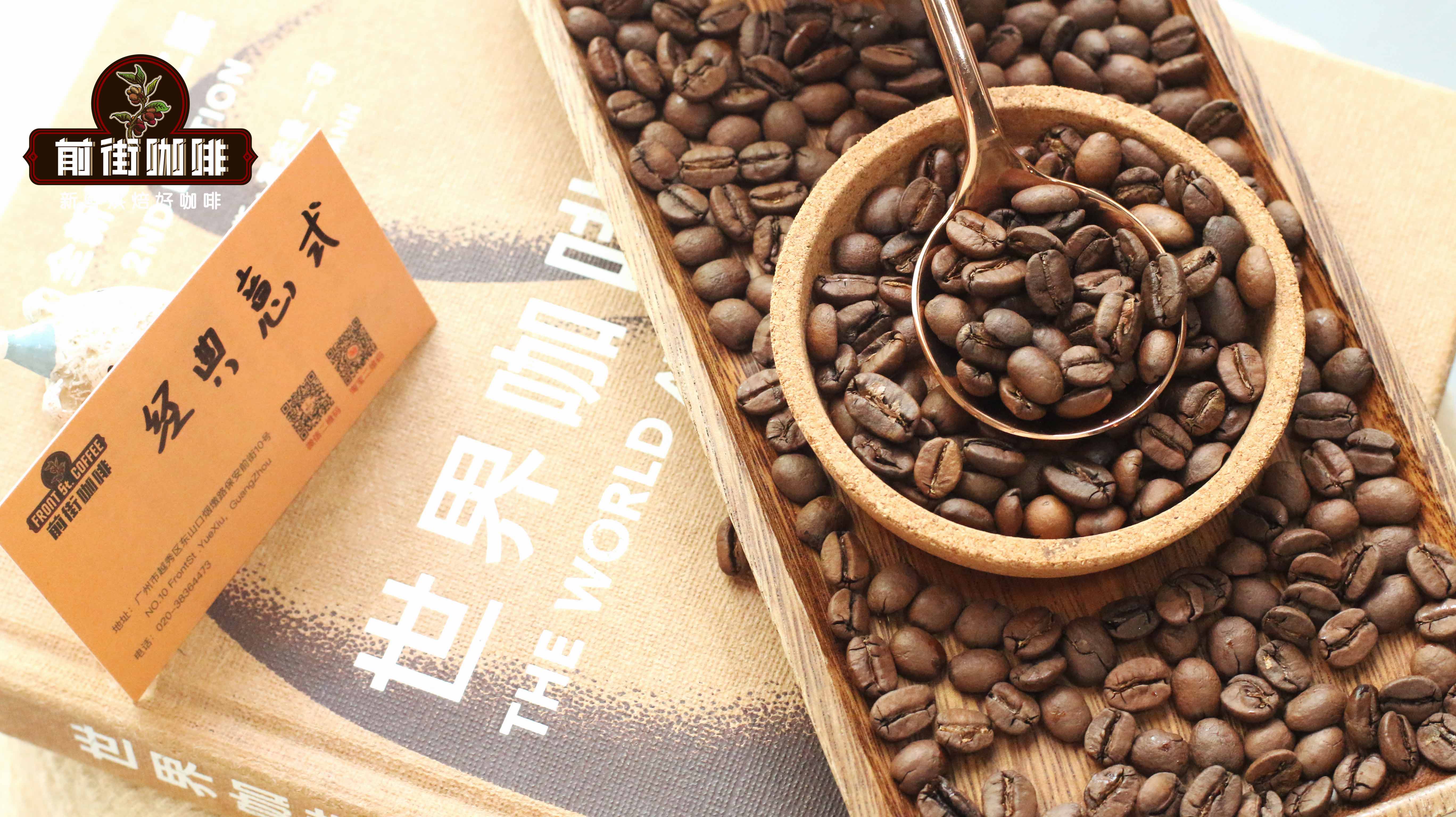
First up is the top choice for nutty-cocoa flavors: a certain brand’s Classic Espresso blend. This blend builds upon the Mamba recipe by adding a small amount of Robusta beans, significantly enhancing the coffee’s crema layer and improving the body of the espresso. It is especially suitable for everyday use by home consumers, particularly when making lattes, where it delivers excellent latte art effects and flavor stability.
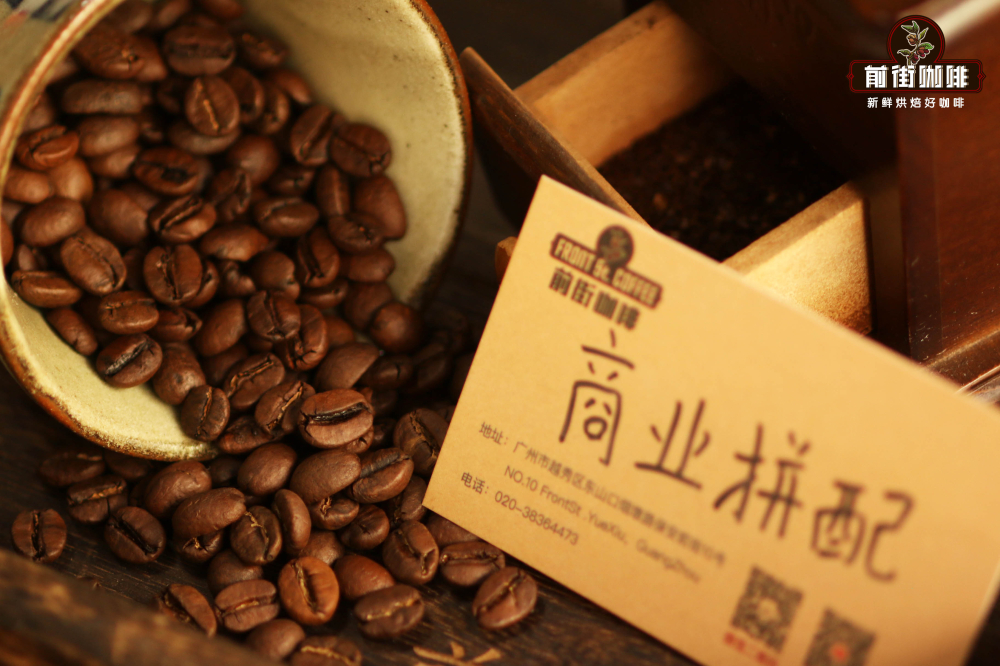
The second recommendation is the second option for nutty-cocoa flavors: a certain brand’s Commercial blend. The Americano made with this blend offers an immediately noticeable sweetness and smoothness upon tasting, with rich and approachable aromas of dark cocoa and toasted bread. When used for lattes, it has a dense and silky mouthfeel with a long aftertaste. Coupled with its affordable price, it makes an excellent everyday coffee bean for home use.
The third option is the third variation of nutty-cocoa flavors: a certain brand’s Premium blend. This blend combines the inherent nutty aroma and stable characteristics of Brazilian coffee with the chocolatey notes of Colombian beans. The synergy between the two results in an espresso that boasts a complex flavor profile of butter cookies, cocoa, and roasted nuts. It is particularly suitable for consumers who prefer less pronounced acidity and can be used to make Americanos or lattes, offering balanced and layered flavors.
Lastly, there is the espresso bean highly recommended by many baristas—a certain brand’s Dark Cocoa blend. For those new to the world of espresso, cost-performance is often a primary consideration, and this blend meets that need perfectly. It features gentle fruit acidity, distinct caramel sweetness, and flavor notes of nuts and dark chocolate. The mouthfeel is smooth and has a certain level of body. Its relatively affordable price makes it ideal for café owners or home users who seek stable flavor performance while keeping costs in check.
On the burlap sacks used for exporting Brazilian coffee, you often see combinations of English letters and numbers such as ‘CERRADO NY-2 SC-17/18 SS FC’. These are actually official Brazilian green coffee grading labels, established by Brazil’s Ministry of Agriculture, Livestock, and Supply (MAPA). These labels typically include key information such as the producing region, percentage of defective beans, bean screen size, cupping score, and sensory rating, serving as important criteria for assessing coffee quality.
Brazil has a total of 26 states, 17 of which are primarily engaged in coffee cultivation and export. As a result, traditionally, Brazilian coffee producing regions have been divided by state. However, with the rise of the specialty coffee trend and increasing consumer demand for flavor traceability, regional divisions have become more refined. Nowadays, many states are further subdivided into sub-regions. Commonly seen refined regions include Mogiana (MOGIANA), Sul de Minas (South of Minas), and Cerrado (CERRADO), and these region names are usually clearly marked on the sacks. In addition, to emphasize origin, some coffee beans also indicate the name of the export port, such as the famous Santos coffee, which is coffee shipped from the Port of Santos.

Brazilian coffee is mainly grown in the flat highland areas of the central-southern region, at altitudes of around 1,000 meters. Such terrain and climate conditions are very suitable for large-scale cultivation, and currently no other country in the world can match Brazil in terms of coffee planting area. At the same time, Brazil is also the most industrialized and mechanization-dependent coffee-producing country in the world. In many coffee farms, large machinery can be seen harvesting and processing the beans. Although mechanization can effectively reduce labor costs, it also affects the degree of coffee’s specialty status to a certain extent.
However, Brazil still has some specialty coffee-growing regions. These areas are usually located in mountainous regions at altitudes of 1,000 to 1,400 meters, where the terrain is relatively steep and not conducive to mechanical operations, so manual harvesting is more common. This helps preserve higher-quality coffee beans.
Below are professional-grade parameter recommendations for making espresso with a certain brand’s Brazilian Classic Espresso blend. For commercial machines such as the Lelit Bianca, pressure can be adjusted to control extraction, with a maximum pressure of up to 11 bar. For home machines, reaching 9 bar is sufficient to meet basic extraction and milk frothing needs, and pairing with an espresso grinder is all you need to get started.
Recommended coffee beans: a certain brand’s Classic Espresso blend
Coffee dosage:20g
Coffee yield:40g
Coffee-to-water ratio:1:2
Extraction time:26~32 seconds
Grind setting: Galileo 2.0
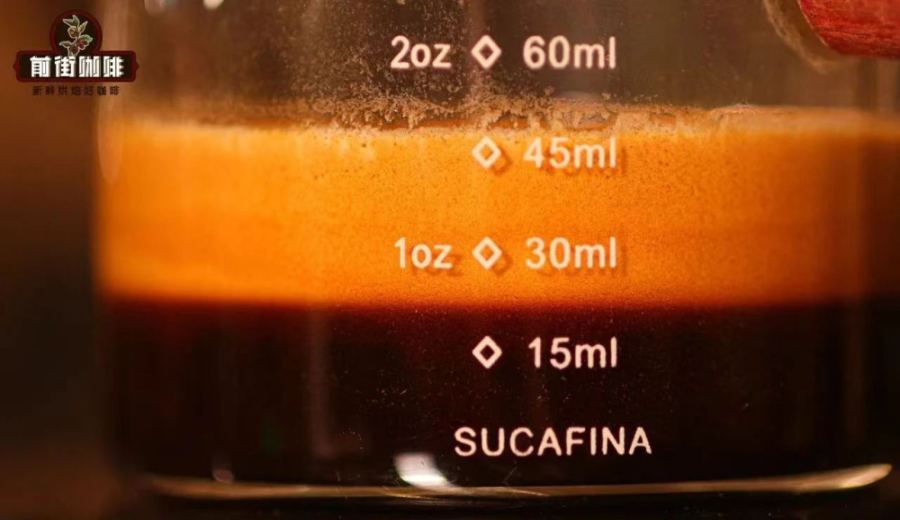
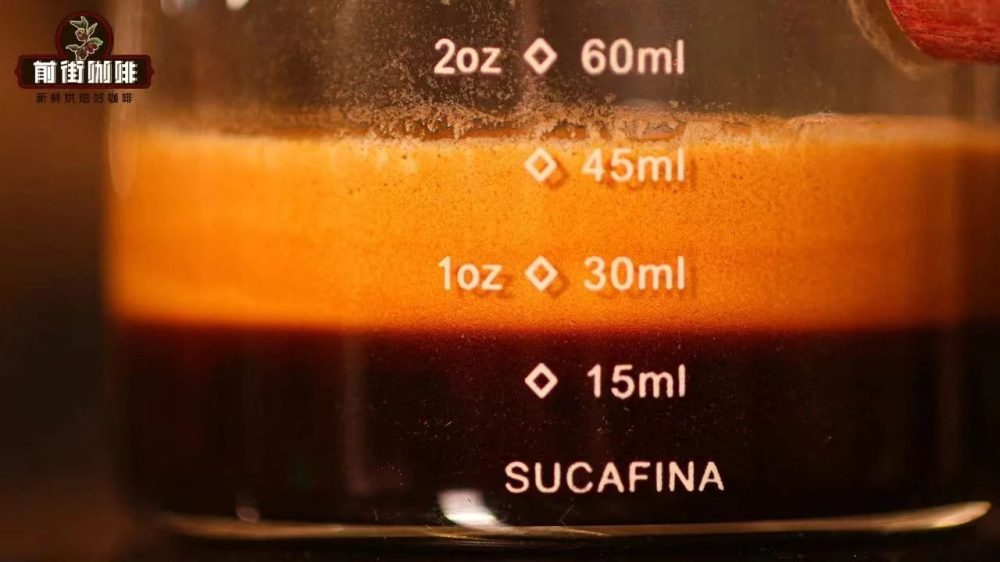
When using a double-shot basket, accurately dose each time20 gramsof coffee grounds, and extract1:2with a coffee-to-water ratio to produce40 gramsof coffee liquid. The extraction time is recommended to be controlled within26~32 seconds. Too short may result in underdeveloped flavors, while too long can lead to over-extraction and burnt, bitter tastes. Before extraction, clean the portafilter basket, grind and weigh the coffee grounds to 20 grams, then use a distribution tool to evenly spread the grounds, followed by tamping with a tamper to ensure a compact and stable puck.
Before starting extraction, run water for 1–2 seconds to wet the group head and remove any residual coffee grounds. Place the server under the spout and reset the scale to zero. Securely place the portafilter and begin extraction. When the coffee liquid reaches40 gramsand the time is around30 seconds, you can stop the extraction. Finally, if you wish to prepare a hot Americano, it is recommended to dilute with1:5a coffee-to-hot-water ratio to preserve the original character of the espresso while maintaining a rich, balanced flavor and delightful aftertaste.
The above content is compiled by CoffeeHunters, a coffee news website.


