







Introduction:The honey processing method combines characteristics of both natural and washed processes, imparting a unique sweetness and fruity aroma to Yirgacheffe coffee. This article delves into the complete workflow of honey processing, its technical challenges, and flavor profile, while introducing two representative Yirgacheffe beans — the berry-toned Red Cherry and the fresh citrus-forward Gu Ding Ding. It also explains how Ethiopia’s high-altitude growing regions enhance the complexity of honey-processed flavors by extending sun-drying times.
Honey processing is an important branch of the natural drying technique, with its core principle being the retention of the coffee fruit’s mucilage layer during sun exposure to create richer sweetness and complexity. Compared to traditional natural processing, this method first removes the outer skin and pulp, leaving only the sticky mucilage, parchment, and silver skin to dry. This modified approach was first widely adopted in Costa Rica and has now become a common processing option in specialty coffee regions across Central and South America and Africa.
Processing honey-processed coffee beans involves a rigorous four-stage workflow:First, floatation is used to separate underripe beans.Coffee cherries are placed in a water tank, where defective beans with insufficient density float to the surface, while mature, dense, high-quality beans naturally sink to the bottom. Next, a depulper is used to remove the outer skin and pulp. At this stage, care must be taken to adjust the machine’s pressure appropriately, as excessive squeezing may damage the bean structure.The third stage, sun drying, is the most challenging.Coffee beans with their mucilage layer are dried on shaded beds, with drying conditions controlled by the level of sun exposure. In Ethiopia’s Yirgacheffe region, the target moisture content is typically set between 10% and 14%, and actual operations involve adjusting the frequency of turning and the thickness of the bean piles based on sunlight intensity.
The advantage of honey processing lies in balancing efficiency and quality:Removing the perishable pulp early significantly reduces the risk of mold,while also saving a large amount of water, making the process less costly than traditional washed methods. However, this technique is highly sensitive to environmental parameters — fluctuations in temperature and humidity during the drying period can directly affect the final flavor profile. Typical honey-processed coffee often exhibits a bright caramel-like sweetness, paired with moderate acidity and a full body, with some batches even carrying honey or caramel-like aftertastes.
Focusing on Ethiopia’s Yirgacheffe region, the high-altitude environment (approximately 2000–2200 meters) and intense sunlight conditions allow locally honey-processed coffees to achieve ideal moisture content within a 15 to 16-day drying cycle.Producers install shade nets on drying beds to control temperature and increase bean pile thickness to prolong mucilage breakdown time,which noticeably enhances the expression of berry and citrus flavors. During actual tasting, pay attention to the roundness of the acidity — the citrus or wine-like acidity in high-quality honey-processed Yirgacheffe is not overly sharp but instead forms a delightful balance with the syrupy sweetness.

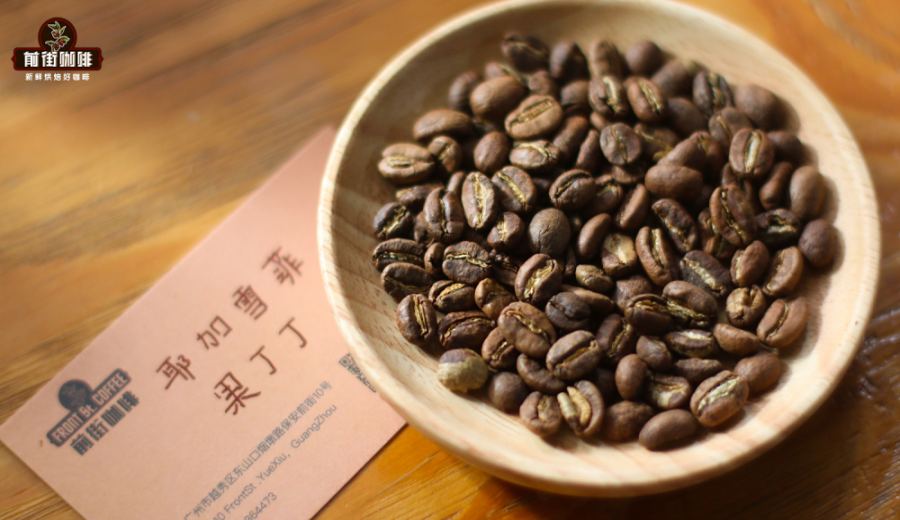
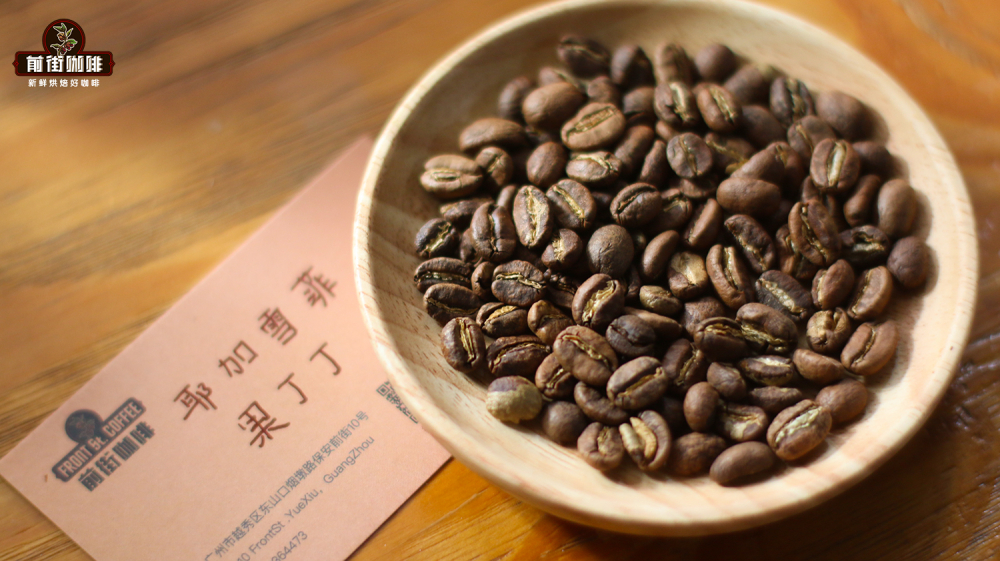
Two popular Yirgacheffe beans on the market can serve as flavor benchmarks: the IDIDO region’s red honey-processed bean,a G1 grade heirloom variety that showcases intense tropical fruit notes,offering initial sweetness of cherry and strawberry, followed by a tea-like rich aftertaste, with soft acidity and a honeyed gloss. Another classic example is the washed-processed Gu Ding Ding, which presents a distinctly refreshing style, led by jasmine floral notes and bright acidity of yellow lemon, complemented by a green-tea-like smooth mouthfeel — an excellent representation of Ethiopia’s typical terroir.
For pour-over enthusiasts, honey-processed Yirgacheffe is recommended to be brewed at a medium-light roast level, with a grind size similar to sea salt grains and water temperature controlled between 90–92°C. The brewing process can employ a pulse pouring technique — start by pouring 30% of the total water volume to bloom the coffee grounds, then wait for the coffee bed to expand before gradually adding the remaining water. This method helps highlight the sweet aromatic layers brought out by the mucilage.
The above content is compiled by CoffeeHunters, a coffee news website.


