







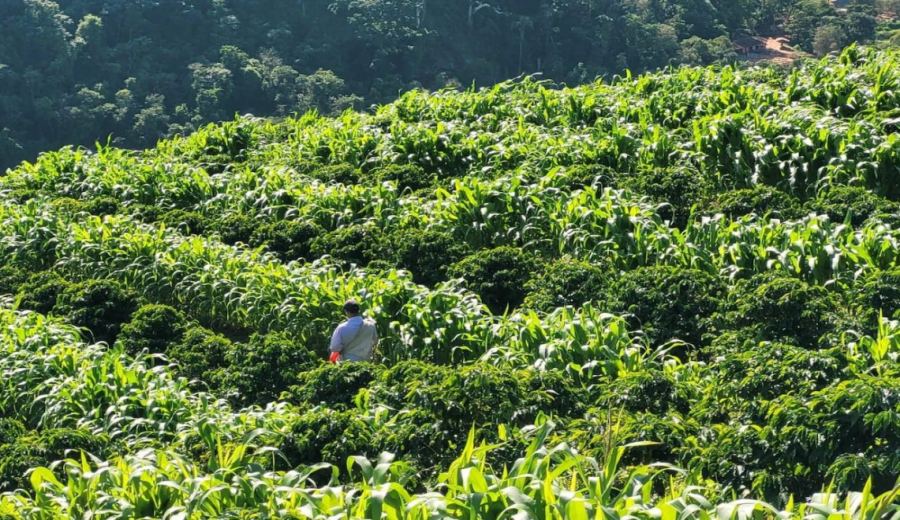
Introduction:Do you know how Brazil has maintained its position as the world’s top coffee producer and transformed from an image of “low-quality beans” to a benchmark for quality standards? This article takes an in-depth look at two classic Brazilian coffee regions—Cerrado Mineiro in South Minas and Fazenda Rainha in Mogiana—comparing the differences between pulped natural and refined natural processing methods. It also explains Brazil’s unique NY grading system, covering defect rates, bean size, and cupping profiles to give you a comprehensive understanding of Brazil’s coffee quality control logic. Practical pour over recommendations and flavor guidance are also provided.
Brazil has long ranked first in global coffee production, supplying not only large quantities of commercial-grade beans but also nurturing many COE auction specialty lots. Currently, the industry highlights two classic Brazilian coffee beans—the Red Bourbon from Cerrado Mineiro in South Minas and the Yellow Bourbon from Fazenda Rainha in the Mogiana region. These two beans showcase the two distinct faces of Brazilian coffee: one solid and robust, the other delicate and sweet. This article will explore the regional environments, variety characteristics, and processing techniques, analyzing the unique flavor profiles of pulped natural and natural processing. It also delves into Brazil’s distinctive NY grading system, examining the evolution of Brazilian coffee quality standards from three perspectives: defect count, bean size, and cup quality. Practical pour over suggestions and clear flavor profiles are shared to help you better appreciate the charm of Brazilian beans.
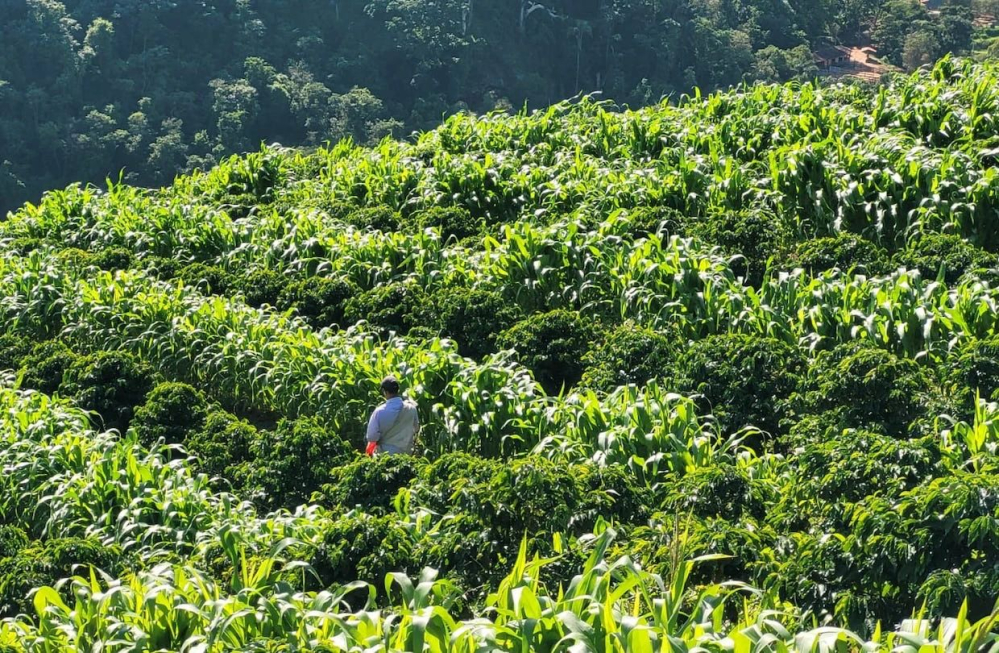
When it comes to global coffee production, Brazil is undoubtedly the leader. Its coffee, known for its rich nutty profile, low acidity, and affordable price, is a daily choice for many coffee lovers. When customers ask, “Is there any coffee that isn’t acidic?” Brazilian beans are usually the top recommendation—especially the stable and flavor-distinct Red Bourbon from Cerrado. If you’d like to try it, consider searching for it through relevant retailers.
As the world’s largest coffee-producing country, Brazil’s market offers both bulk commercial beans and COE specialty beans. However, only two Brazilian beans are selected for online and physical store shelves, as each must demonstrate clear regional characteristics and representativeness. The goal is to use the retail space as a platform for flavor experiences, prioritizing beans with the most distinct regional identity. Brazilian coffee, due to its high level of mechanization and large-scale cultivation, generally tends to have a consistent and relatively uniform flavor, albeit somewhat one-dimensional. Yet, it is precisely for this reason that it serves as an ideal entry point for understanding regional flavor profiles.
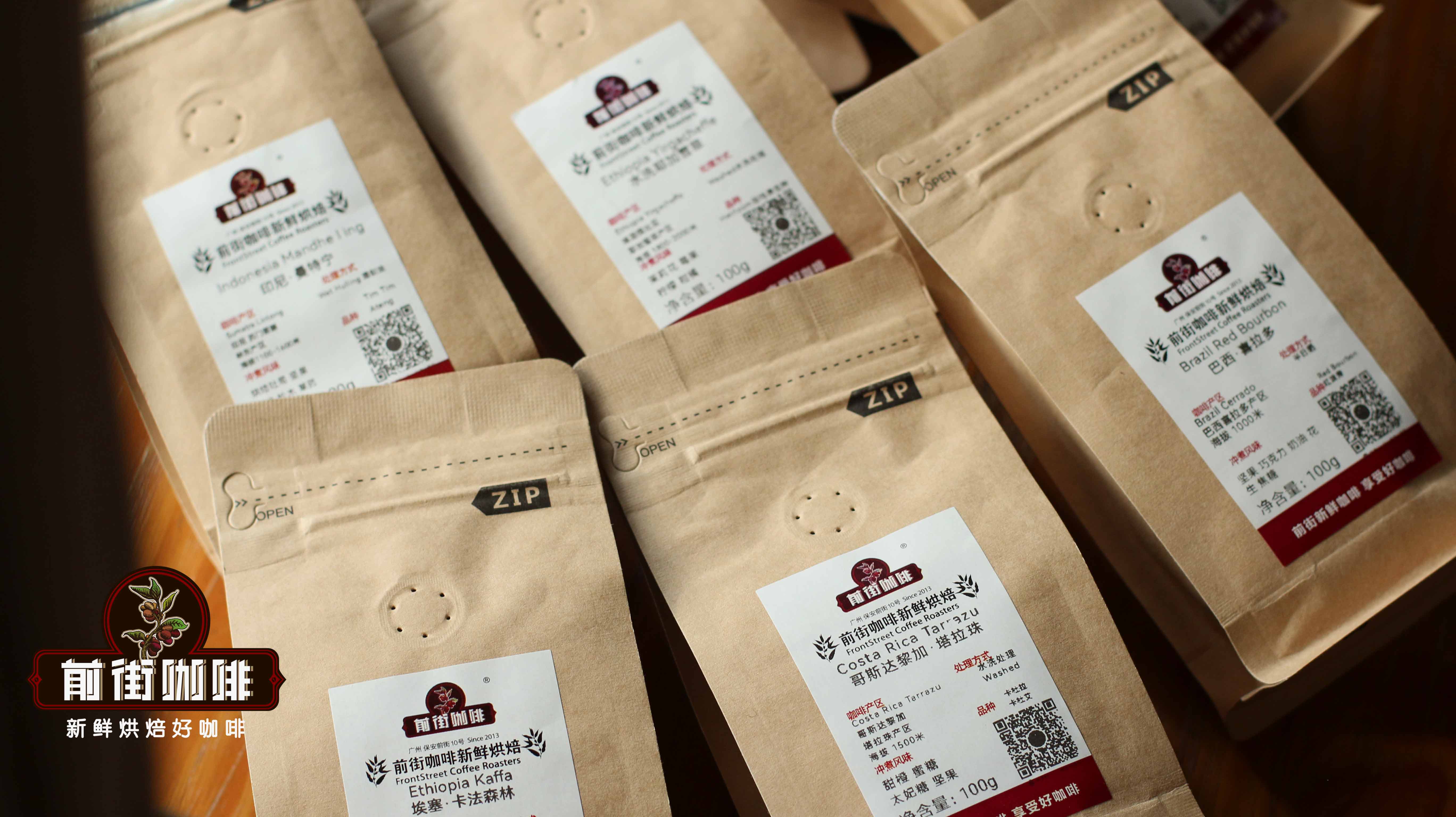
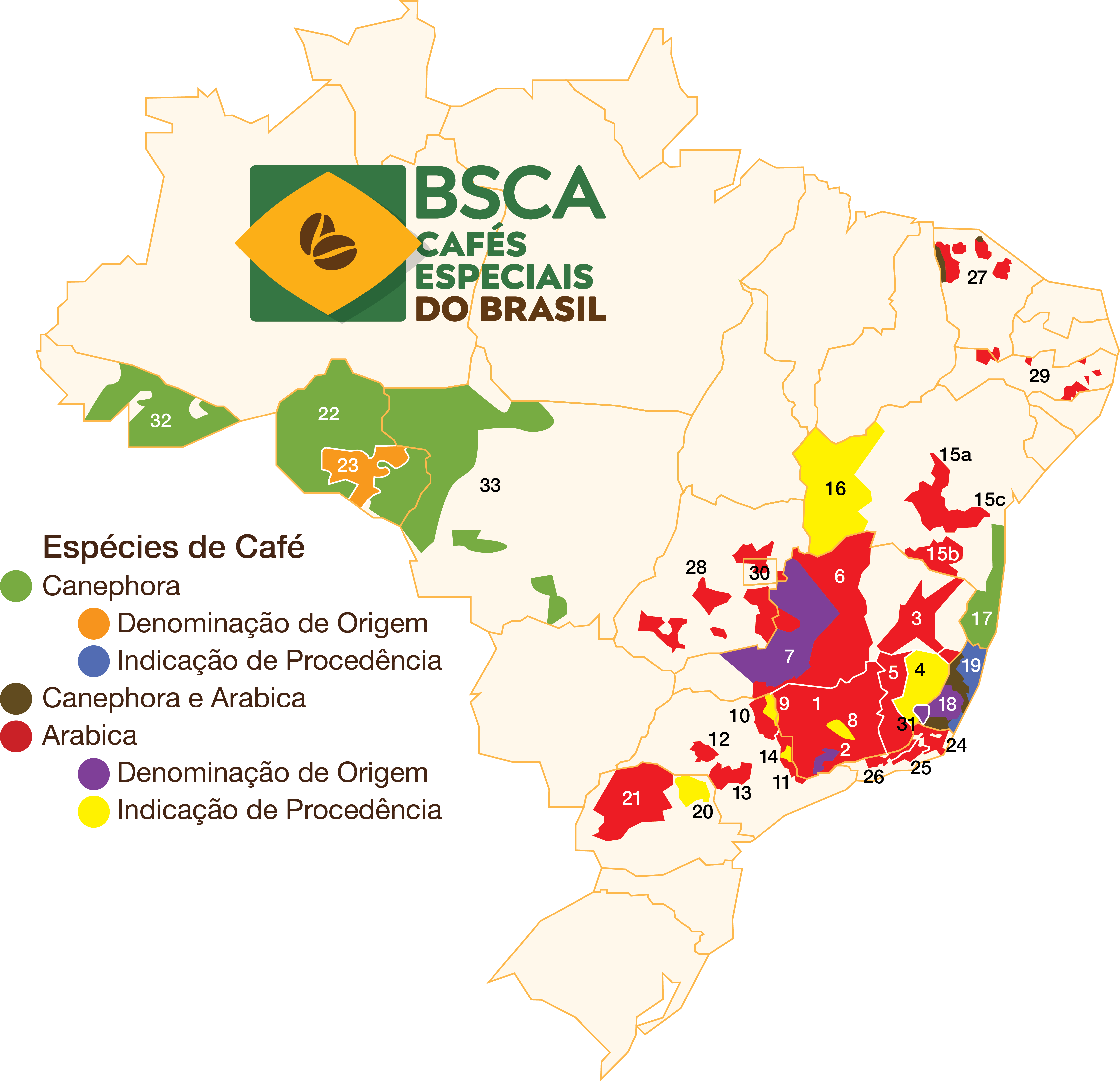
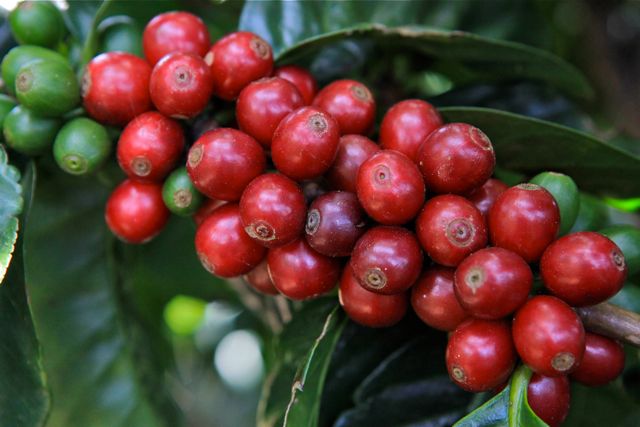
First introduced is the “everyday-drinker” Brazilian representative—the Cerrado Red Bourbon. Grown in the South Minas region of Minas Gerais State, this vast plateau in the western part of the state sits at an altitude of approximately 750 to 1200 meters. The dry and stable climate is very suitable for cultivating varieties like Red Bourbon, which require high ripeness and good fermentation potential. As a member of the Bourbon family, Red Bourbon’s cherries turn wine-red when ripe. The beans are slightly round and, thanks to being grown at high altitudes, often exhibit richer aromatic layers and softer acidity, sometimes with a subtle red wine-like finish.
This Cerrado coffee uses the pulped natural processing method (Pulped Natural), which Brazil developed in the 1990s to address the inconsistencies of traditional natural drying. Unlike the method of directly sun-drying whole coffee cherries with their skin and pulp intact, pulped natural processing removes the skin and pulp but retains the mucilage layer before sun-drying. This approach not only effectively reduces risks of uneven fermentation and mold but also shortens the overall processing time. Additionally, by removing unripe cherries, the resulting beans are more uniform and cleaner. Especially in dry regions like Cerrado, pulped natural strikes a balance between efficiency and quality, making it one of the commonly used processing methods there.
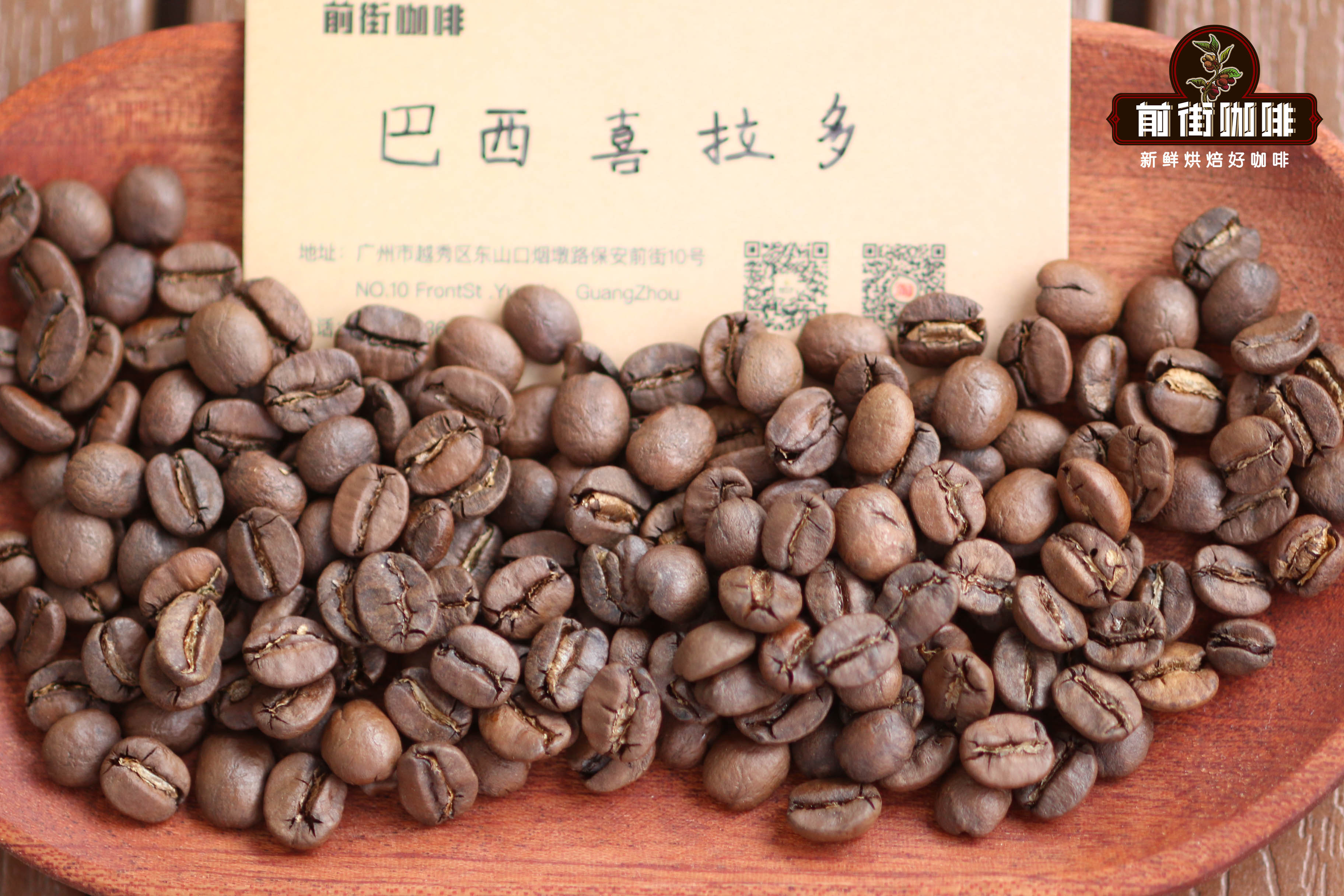
Besides Cerrado, we’ve also selected the Yellow Bourbon from Fazenda Rainha in the Mogiana region to showcase another style of Brazilian coffee. Mogiana is located in the southern part of Minas Gerais State, featuring mountainous terrain where coffee is mostly grown in shrub and grassland environments. Many small and medium-sized family farms operate here, combining traditional and modern techniques to create coffee with delicate and layered flavors. Fazenda Rainha’s coffee often exhibits a notable cane sugar sweetness during cupping, a hallmark trait of the region.
This Yellow Bourbon from Fazenda Rainha is cultivated at high altitudes ranging from 1400 to 1950 meters. It belongs to the Yellow Bourbon variety—its cherries turn a rare yellow color upon ripening, rather than the usual red. Yellow Bourbon is a mutation resulting from the crossbreeding of the Bourbon variety with a yellow-fruited Typica variant. Although it has relatively low yields and is sensitive to climate, it can deliver exceptional sweetness and refined flavors in high-altitude environments. Fazenda Rainha employs refined natural processing, emphasizing batch-by-batch control and careful attention, effectively addressing the issue of inconsistent quality common in large-scale Brazilian processing. This ensures each batch of beans delivers consistent and premium results.
When discussing Brazilian coffee, its unique NY grading system must be mentioned. Due to the vastness of its producing regions and the massive scale of production, Brazil developed a distinctive “three-dimensional” grading system to facilitate export quality control and classification. This system mainly evaluates three key metrics: defect rate, bean size, and cupping quality. Consumers can simply check the markings on the green coffee sacks, such as “NY.2 SC – 17/18 FC,” to get an initial sense of the beans’ grade and quality.
First is the defect rate grading. Brazil uses a “deduction system,” counting the number of defective beans in every 300 grams of main beans. Based on the total deductions, coffee is categorized into seven grades, from No.2 to No.8. The lower the deduction score, the higher the quality. Among them, No.2 is the highest commercial grade, as No.1 is almost non-existent in stable supply chains. Next is bean size, graded using sieves measured in 1/64-inch units. Common ranges are from 14 to 20 mesh, with 17/18 mesh considered the best grade, indicating full and uniform beans. Finally, cup quality is divided into tiers such as Fine Cup (FC) and Good Cup (GC). Many exporters also specify processing methods and farm information to make it easier for buyers to identify.
In the past, Brazilian coffee was often seen as synonymous with “low-quality beans” due to overemphasis on yield, lax quality control, and even contamination with foreign matter. Coffee exported from Rio de Janeiro port, in particular, had a negative reputation. It wasn’t until the introduction of COE auctions and the NY grading system that Brazil’s overall coffee image and quality consistency gradually improved, transforming Brazil from a “high-volume but inconsistent” origin to an internationally significant supplier known for both scale and standards.
Finally, here are practical pour over recommendations for these two Brazilian beans, suitable for coffee enthusiasts who prefer stable extractions and clear flavor profiles: Use a KONO filter, 15 grams of coffee, water temperature around 90°C, medium grind (approximately 70% passing through a #20 sieve), and a water-to-coffee ratio of 1:15. The specific steps are: start by pouring double the amount of coffee (about 30 grams) for a 30-second bloom, then continue pouring in small circles until reaching 125 grams and pause briefly. When the water level drops and is about to expose the coffee bed, pour up to a total of 225 grams. The entire extraction process takes about 2 minutes.
The Cerrado Red Bourbon’s flavor profile is dominated by sweetness, with a clean and smooth mouthfeel, low acidity, and prominent notes of peanut, almond, nuts, and chocolate. It suits drinkers who enjoy bold flavors but prefer lower acidity. The Fazenda Rainha Yellow Bourbon, on the other hand, offers a richer layered experience, with almond and cocoa as the main notes, complemented by distinct cane sugar sweetness. The cup is full-bodied and rounded, with a long-lasting finish—an excellent choice for those who enjoy balanced and sweet aromatic profiles.
The above content is compiled by CoffeeHunters, a coffee news website.


