







Introduction:Want to understand why a cup of coffee tastes sweet? It’s not just about taste—it’s closely related to aroma, as well as roasting and brewing methods. This article delves into the sources of coffee sweetness, explores how roast levels influence sweetness expression, and explains the critical role of three stages in the pour over process for extracting sweetness. We also recommend several single-origin coffee beans that are naturally high in sweetness and low in acidity, using Costa Rica Blackberry as an example to show you how to enhance sweetness by adjusting pour over parameters. Ideal for coffee lovers who prefer light roasts but seek rich, fruity sweetness.
When tasting a cup of coffee, the “sweetness” we refer to is not just the sweetness on the tip of the tongue, but also includes the sweet aromas perceived through smell. Truly evaluating whether a coffee is sweet often requires balancing both acidity and sweet notes. A coffee that combines a sweet foundation with gentle acidity usually earns higher praise during cupping. Among these factors, roast level plays a pivotal role.
From the moment green coffee beans are heated until roasting is complete, sweetness is one of the first flavor attributes to emerge—often appearing even before acidity. Generally speaking, as roast time increases, sweetness gradually rises, peaking at medium to medium-dark roast levels, then gradually declining. Therefore, if you prefer coffee with pronounced sweetness, medium roast beans are recommended.
For the average consumer, while you can’t directly adjust the roast profile, you can roughly judge the sweetness-to-acidity ratio of a coffee bean based on flavor descriptions. If the flavor profile is dominated by mildly acidic yet sweet fruit notes such as honeydew, mango, guava, sweet orange, or dried fruit, it usually indicates that the bean has prominent sweetness, often accompanied by descriptions of fermentation, fruit sugar, or ripe fruit. Conversely, if the bean’s flavors are dominated by distinctly acidic fruits like lemon, passionfruit, plum, or prune, the acidity tends to stand out more. If you’re looking for high-sweetness, low-acidity coffee beans, consider the following classic options:
1. Sidamo Alo
Flavor: Floral, mango, guava, citrus, dried strawberry, overall balanced between sweet and sour, with fresh and layered aromas.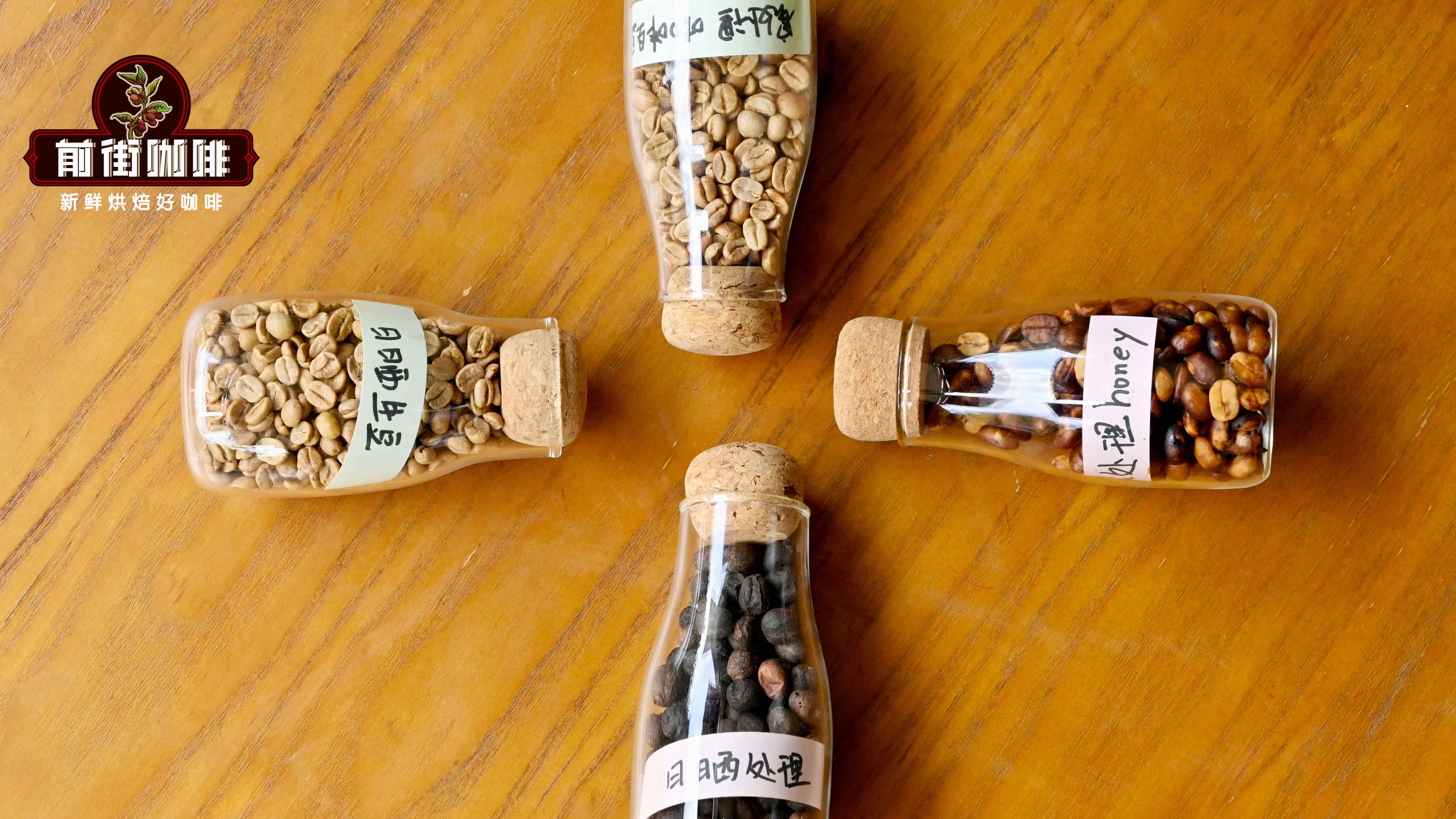
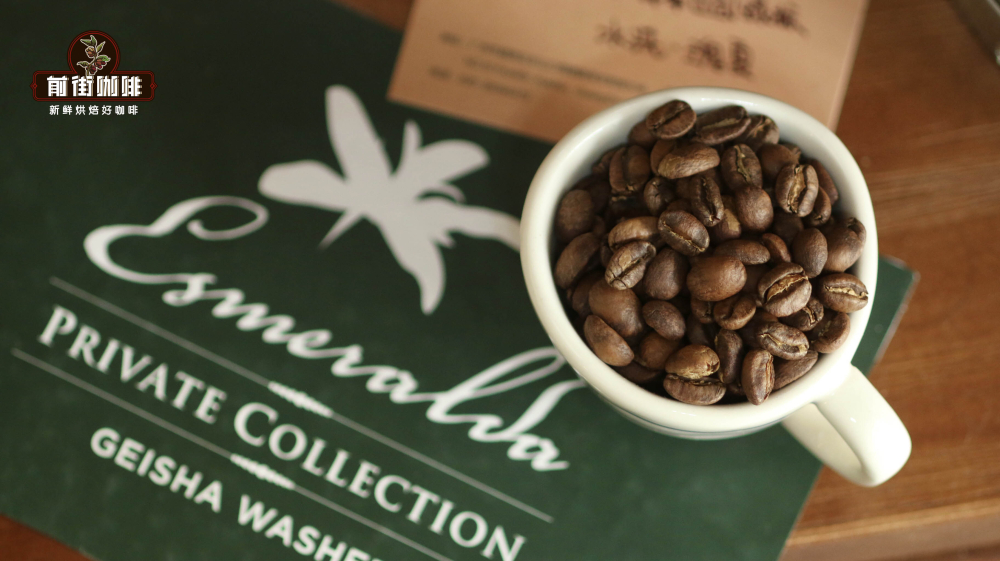
2. Emerald Green Label Geisha
Flavor: Jasmine, honeydew, citrus, peach, Tieguanyin tea, with a soft and delicate mouthfeel and rich layers.
3. Mozart
Flavor: Raisin, osmanthus, sweet orange, with noticeable sweetness upon entry and clear fermentation notes.
4. Queen Estate
Flavor: Creamy chocolate, cane sugar, nuts, well-balanced and full-bodied, with a distinct sweet aftertaste.
After understanding the sources of sweetness, let’s delve into how to enhance sweetness during the pour over process by controlling different extraction stages. The typical pour over process can be divided into three phases: the first phase mainly releases small molecules such as floral and bright fruity acidity; the second phase extracts a large amount of caramelized compounds such as vanilla, cane sugar, chocolate, and nuts—the phase richest in sweet substances; the third phase mostly involves larger, less soluble molecules that can easily bring about unwanted flavors like woody, sharp, or bitter notes.
Therefore, if you want your coffee to taste sweeter, the key lies in improving the extraction efficiency of the second phase while avoiding the negative flavors brought by over-extraction. Especially for light roast beans, the challenge lies in enhancing sweetness and body while preserving clear fruity acidity and aroma.
For extracting light roast coffee, if you want to enhance sweetness and overall body, it is recommended to adjust the following parameters: increase the coffee-to-water ratio, moderately raise the water temperature by 1–2°C, add more infusion steps, and use stable water flow control and pouring rhythm to draw out more sweet substances. Below, we use Costa Rica Blackberry as an example to demonstrate how to enhance sweetness through pour over.
Bean: Costa Rica Blackberry (honey processed Caturra)
Dose: 15 grams
Coffee-to-water ratio: 1:16
Grind size: Regular fine grind (EK43s setting 10)
Filter: V60
Water temperature: 93°C
Brew method: Four-pour (30g/70g/70g/70g)
Step 1: Pour 30g of hot water for blooming, around 30 seconds, ensuring all coffee grounds are evenly wetted to initiate extraction.
Step 2: After 30 seconds, pour 70g of water slowly in small circles from the center clockwise using a gentle flow (about 4ml/s), aiming to allow the coffee grounds to continue degassing and lifting the coffee bed. Pour to about 3/5 of the filter height. This stage should be completed around 55 seconds, with a total water volume of 100g.
Step 3: When the liquid level is about to drop to the coffee bed surface, begin pouring the third 70g of water, again using a small stream. You can widen the circle slightly to promote more release of sweet compounds. Aim to complete this stage within 1 minute 15–20 seconds, reaching a total water volume of 170g. Maintain a steady flow rate to avoid a rapid rise in water level.
Step 4: Finally, pour the last 70g of water with a similar motion to the second pour, controlling the circle size to avoid disrupting the coffee bed. Aim to finish around 1 minute 45 seconds, with a total water volume of 240g and a total brew time of approximately 2 minutes 12 seconds.
Through this brewing method, Costa Rica Blackberry exhibits pronounced sweet fruit flavors such as grape, honeydew, cane sugar, and blueberry jam—ripe fruit notes with soft acidity, a full body, and a delicate rose aroma in the aftertaste. Even as the coffee cools, the sweetness remains evident, delivering a layered and harmonious overall experience.
The above content is compiled by CoffeeHunters, a coffee news website.


