







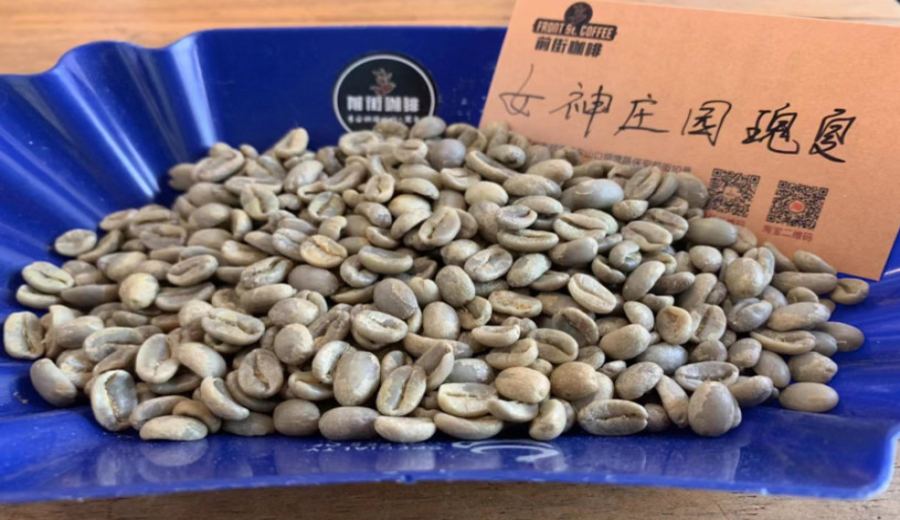
Introduction:Geisha coffee originated in Ethiopia, shone brightly in Panama, and is now making its mark in Colombia’s Huila region. This article takes you deep into the variety blend, washed processing characteristics, and high-altitude growing environment of the Finca Montblanco’s Huila Geisha. It also provides professional-level pour over parameters and flavor evaluations to help you master the brewing techniques and tasting highlights of this coffee.
The Geisha (Geisha) coffee variety originally comes from the wild forests near the Geisha Mountain in the southwestern part of Ethiopia. In the 1930s, researchers ventured into the pristine forest areas in search of disease-resistant varieties and unexpectedly discovered this coffee tree, which looked and tasted unlike any other. At the time, it was named Geisha because it was found near Geisha Mountain. In the 1950s, Geisha was introduced to Costa Rica under the designation T2722, but its delicate growing characteristics and low yield meant it was long overlooked.
It wasn’t until 2004, when the Peterson family of Panama’s Hacienda La Esmeralda won the Best of Panama competition with Geisha, that the variety gained widespread fame. Geisha is extremely demanding in terms of its environment, requiring high altitudes, cloudy conditions, shaded fertile soils, and is highly sensitive to strong sunlight. In the early stages of cultivation, it needs to retain plenty of shade trees and employ traditional pruning methods to ensure stable growth.
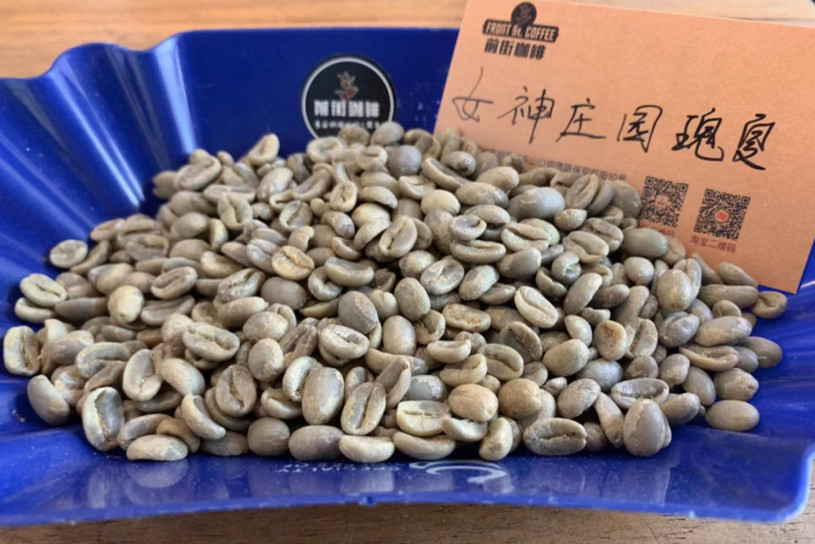
Not only is Geisha particular about its environment, but its physiology is also unique. Its leaves are relatively thin, resulting in lower photosynthetic efficiency, and its fragile root system leads to slow absorption of nutrients and water, resulting in very low yields. Typically, a single Geisha tree produces only about half the yield of a Catuaí tree, which explains its high price. Additionally, the high-altitude environment extends the fruit ripening period, giving Geisha more complex and captivating flavor profiles.
Geisha is renowned for its intense floral aroma, often accompanied by the sweetness of citrus, berries, and honey. Some batches even exhibit a tea-like quality and delicate acidity. As the temperature drops, the acidity becomes even softer, with a well-defined structure and a long-lasting aftertaste. The high-altitude microclimate of Panama’s Chiriquí Volcanic Region has shaped Geisha’s unique personality and established its status in the specialty coffee world.
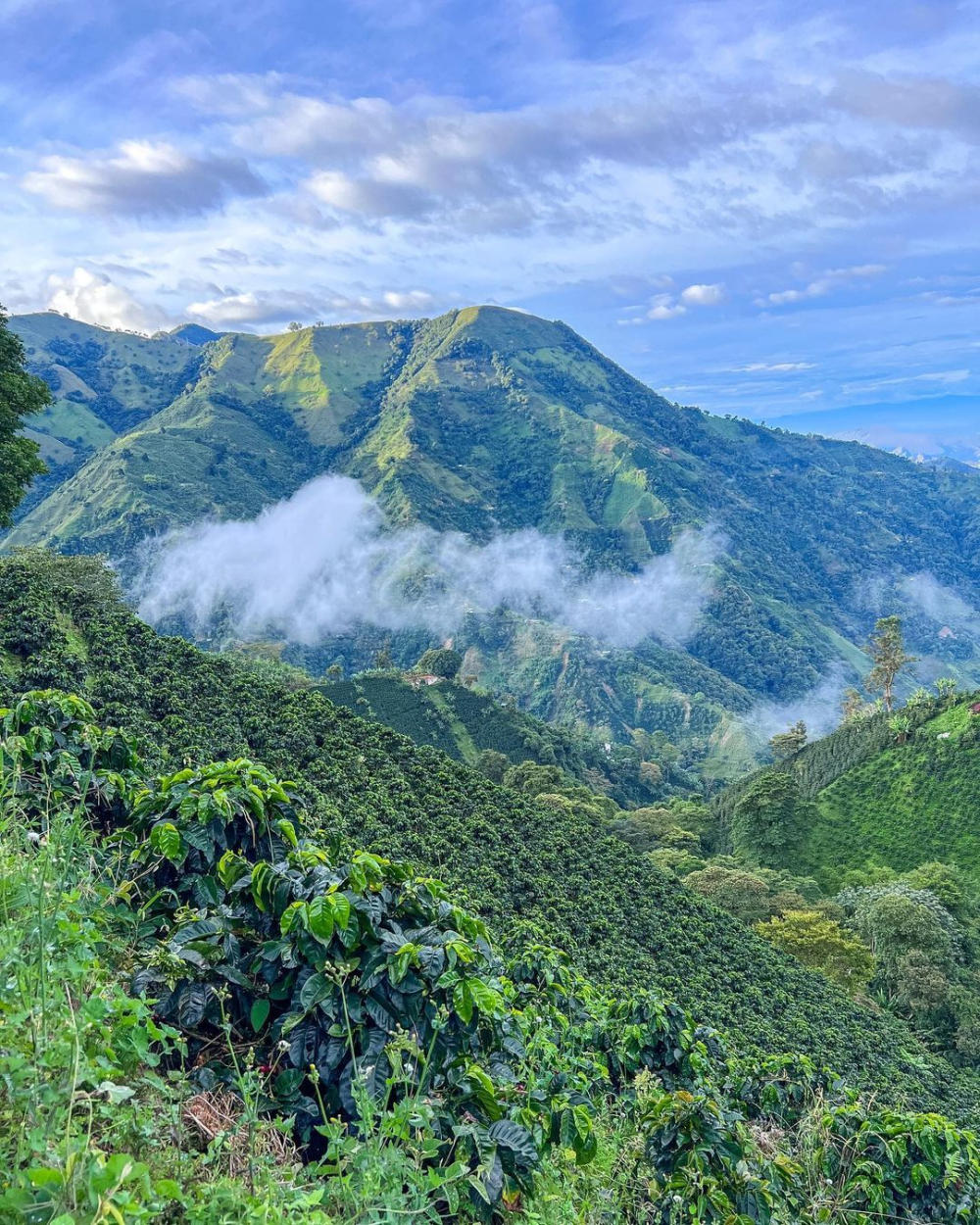
Colombia is the world’s third-largest coffee exporter and is known for producing high-quality Arabica coffee. It is also the country with the highest volume of Arabica bean exports in the world. The country’s coffee-growing regions are mainly distributed along the Andes Mountains, where the soil is rich in volcanic minerals and the climate is ideal for specialty coffee cultivation. Among them, Huila Province is located in southern Colombia, at the intersection of the central and eastern Andes Mountains. Centered around the city of Pitalito, its plantations are situated between 1,750 and 1,950 meters above sea level, mostly run by smallholders who emphasize hand-picking and meticulous processing.
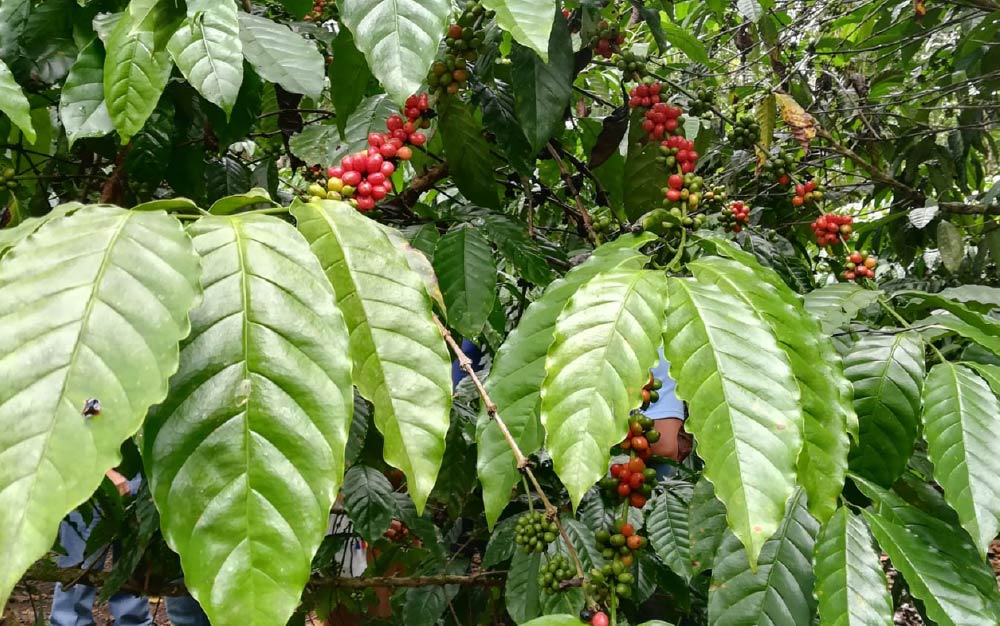
The coffee from the Huila region is known for its nutty, caramel aromas and soft berry acidity. Over the past decade, local smallholder farmers have been focusing on creating regionally distinctive specialty coffees through cooperation and technological upgrades. A well-known coffee brand found in multiple cuppings that beans from this region generally exhibit rich layers and good balance, making them suitable for consumers who enjoy both fruity and sweet profiles.
Finca Montblanco is located in the Vereda La Torreaca area of Pitalito, Huila Province. It is a historic coffee farm managed by Rodrigo Sanchez Valencia. The farm sits atop a hill, covering approximately 18 hectares, with abundant water sources nearby. It is equipped with complete washed and specialty processing facilities and primarily uses the washed processing method, while also experimenting with various extended processing techniques to highlight regional flavor characteristics.
Huaya Geisha is a blend launched by Finca Montblanco, combining three varieties: Geisha, Caturra, and Catuaí. The Geisha variety was introduced from Panama in 2016, began yielding fruit in 2020, and only officially entered mass production in 2021. This coffee is processed using traditional washed methods, emphasizing a clear and bright acidity and full flavor expression. When brewed, the high-temperature stage offers intense chamomile and pink pepper aromas, medium temperatures gradually reveal the sweetness of mandarin orange and honey, and lower temperatures leave a hint of almond-like aftertaste.
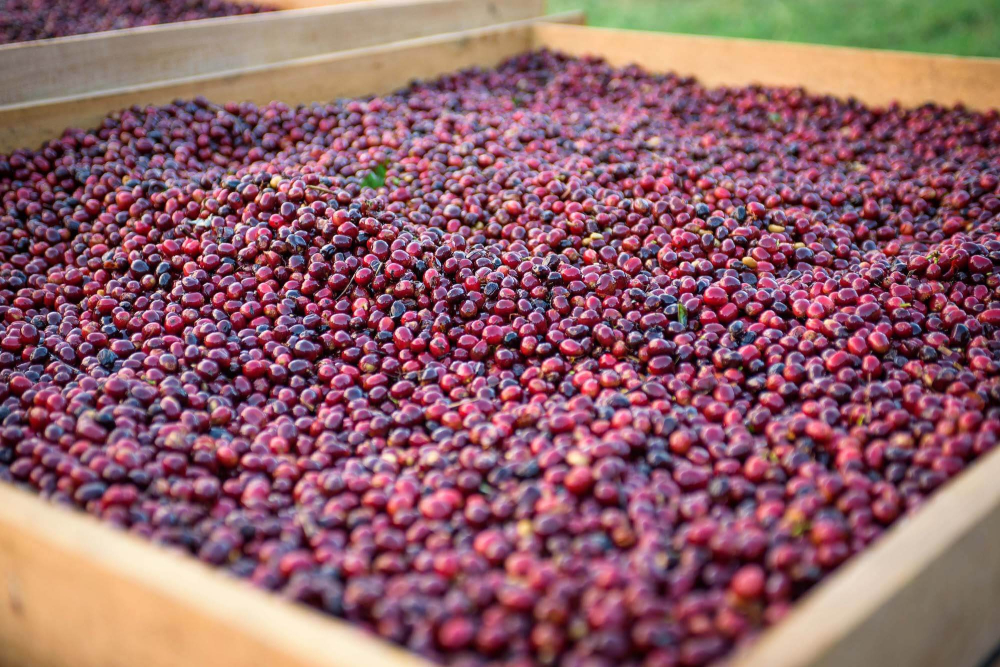
Although this blend combines multiple varieties, it can still be classified as a single-origin coffee because it comes from the same farm and region. The definition of single-origin coffee emphasizes consistency in region and processing method, rather than a single variety. The Geisha variety has long, narrow leaves and fruit, and is extremely sensitive to environmental changes. However, under high-altitude conditions, it can exhibit highly distinctive floral and fruity aromas along with delicate acidity.
Caturra is a natural mutation of Bourbon, originating in Brazil in 1937. Although it has a shorter tree stature and weaker disease resistance, it yields more and is suitable for planting in high-altitude regions of Central and South America. Catuaí is a hybrid of Caturra and the Mundo Novo variety, combining a compact tree form, good resilience, and notable fruit acidity. It comes in both red and yellow fruit variants and is commonly found in Colombia and various Central American regions.
Colombia is known for its washed processing method, with most coffee beans processed this way. The washed process includes: first using floatation to remove defective beans and impurities, then mechanically removing the pulp and flesh, followed by placing the beans in fermentation tanks for 18 to 36 hours to remove the mucilage layer. After fermentation, the beans are thoroughly washed, and finally sun-dried until the moisture content is reduced to around 11%, and then stored in parchment until export.
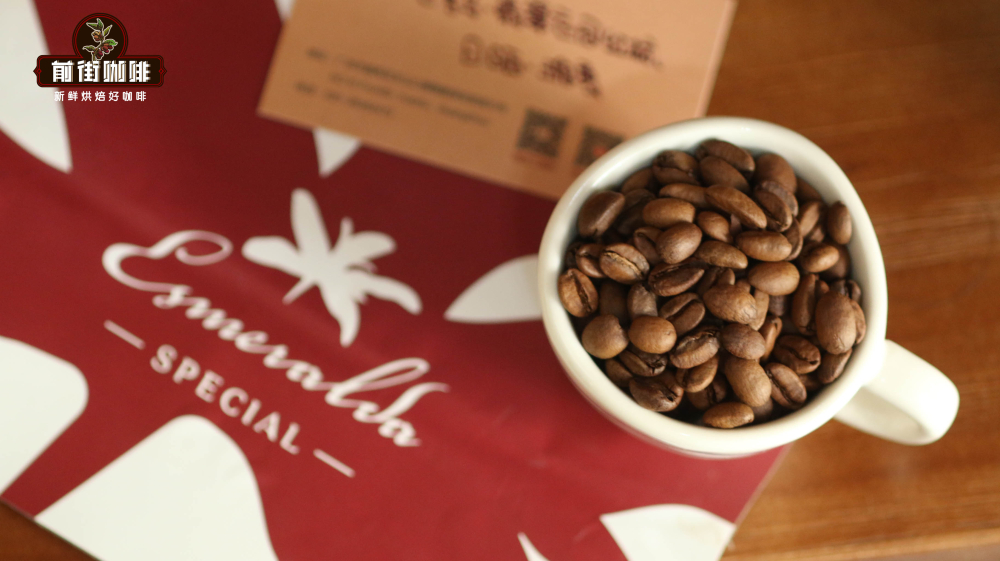
For this Huaya Geisha, it is recommended to use a medium-light roast to preserve its bright acidity and multi-layered aromas. Roasters from a well-known coffee brand will extend the drying phase to ensure even heating of the bean surface and core, thereby highlighting sweetness and complex flavors. For brewing, it is recommended to use a medium-fine grind (e.g., 80% passing rate through a Chinese No. 20 sieve), paired with a V60 filter cone, a 1:15 coffee-to-water ratio, and a water temperature of 91°C, using a three-pour technique for extraction.
The specific steps are: start with a 30-second bloom using twice the amount of coffee’s weight in water (about 30 grams) to help the coffee grounds degas. Then, pour water in small circles until reaching 125 grams and pause. Continue pouring up to 225 grams and then stop. After the dripping finishes—approximately two minutes—remove the filter cone. Let the cup sit for a moment, stir, and enjoy. These parameters help showcase Huaya Geisha’s fresh floral notes, layered fruit acidity, and honey-like sweetness.
This coffee has a lively flavor profile, with bright and varied acidity, intense floral and fruity aromas, medium body, smooth mouthfeel, and a sweet, lingering aftertaste. It is suitable for coffee lovers who enjoy delicate fruit tones and tea-like qualities. It is best enjoyed within 4 to 7 days after roasting for optimal flavor. If purchasing ground coffee, it is recommended to brew immediately to avoid oxidation affecting the aroma. If you prefer whole beans, it is advised to grind and brew right before drinking to fully experience its nuanced layers.
The above content is compiled by CoffeeHunters, a coffee news website.


