







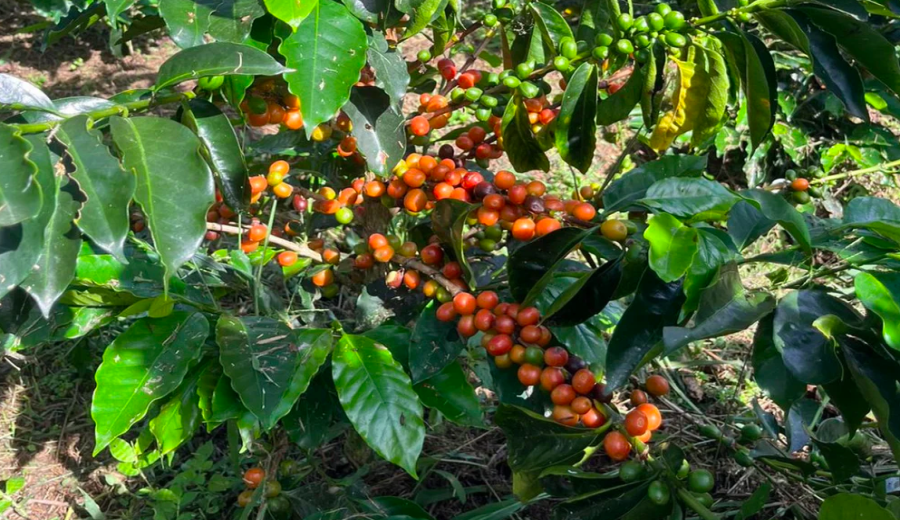
Introduction:The flavors of Colombian coffee are often misunderstood as being either solely acidic or bitter, but in reality, each producing region has its own unique character. The Huila region, with its volcanic soil and micro-farm model, produces coffees that balance a nutty-chocolatey base with bright fruit acidity. This article delves into the geographical advantages and washed processing methods of the Huila region, and offers recommendations for everyday beans roasted to a medium-dark level, along with practical pour-over parameters using the KONO filter to help you fully appreciate the charm of this classic origin.
Should Colombian coffee be categorized as distinctly acidic or more towards a rich, bitter profile? The answer actually depends on the region and processing method. The southern part of the country is home to most of its specialty coffee, with the Huila region standing out in recent years on the international market. Its coffees often feature a solid foundation of nuts and chocolate, paired with clear and vibrant fruit acidity layers, showcasing a highly distinctive style. This article breaks down the unique flavor origins step by step—from Huila’s geographical environment and micro-farm management model to its washed processing techniques—and provides practical pour-over suggestions, including the use of the KONO filter, for commonly available medium-dark roasted everyday beans.
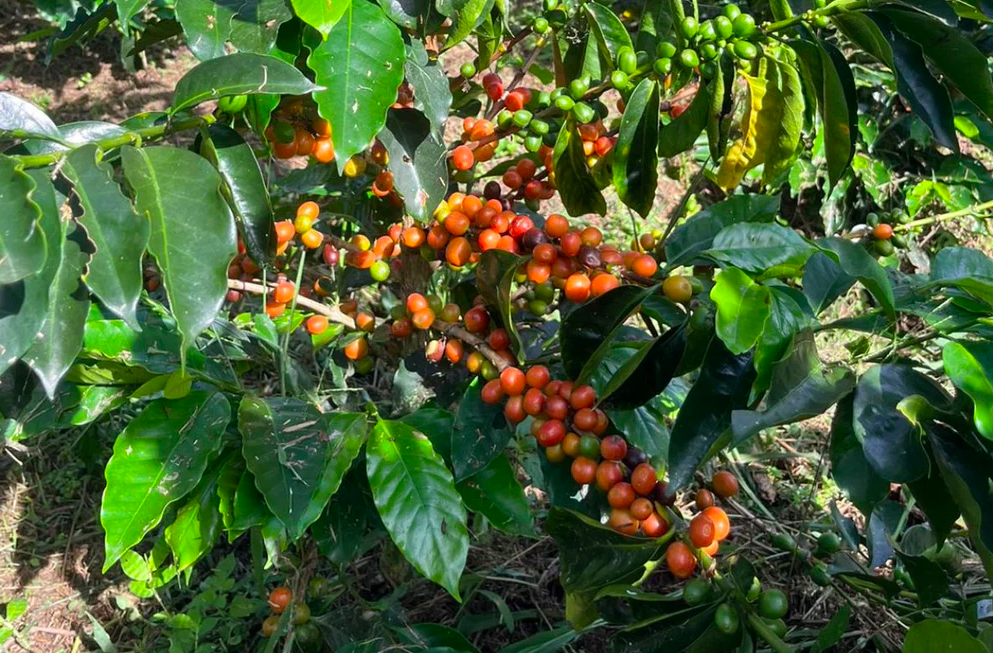
Colombia boasts several renowned coffee regions, including Huila (also spelled Huila), Cauca, and Nariño. The southern regions, in particular, are well-suited for cultivating high-quality Arabica beans due to their altitude and climate conditions. The Huila region has garnered increasing market attention in recent years, not only for its stable output but also for its consistently excellent quality that has earned widespread acclaim. According to data from FNC (Colombian Coffee Growers Federation), this region accounts for about 18% of the country’s total production and officially received Denomination of Origin protection in 2013. Huila coffee has won awards in international competitions such as the Cup of Excellence, which has made it a recommended “entry-level classic” by many roasters and cafés. Its flavor profile combines rich notes of nuts and chocolate with a refreshing fruit acidity, making it one of Colombia’s representative high-quality regions.
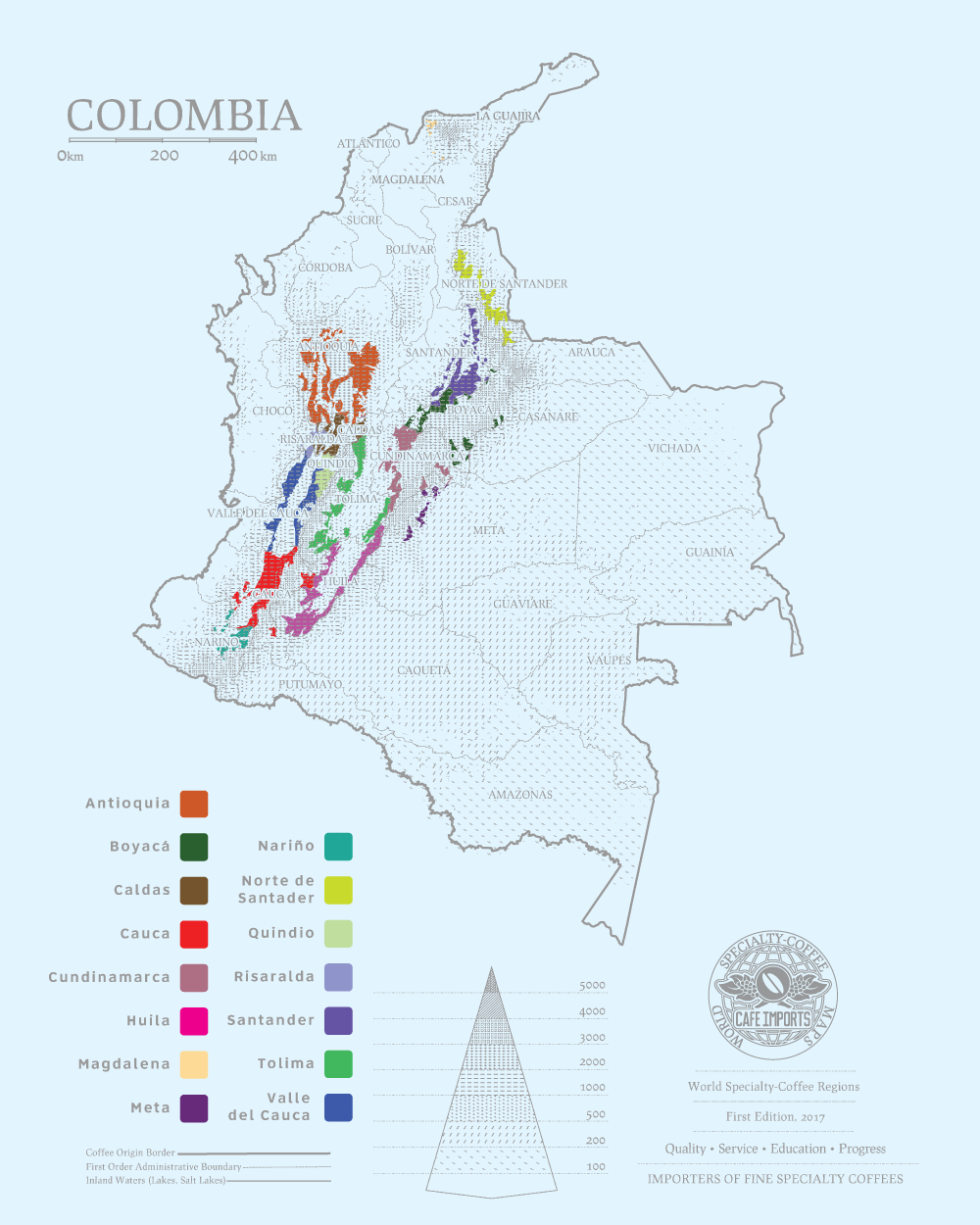
Huila is located at the southern foothills of the Colombian Central Cordillera, near the active Huila Volcano. The volcanic ash soil is rich in mineral elements such as potassium, phosphorus, and calcium, providing abundant nutrients for coffee plants. The area’s terrain is mostly hilly and canyon-like, with slopes that help regulate the microclimate—shielding against cold winds while maintaining cool temperatures through mountain breezes to avoid heat affecting coffee ripening. Coupled with its proximity to the Colombian River, the region enjoys stable annual rainfall of 2000 to 3000 millimeters. This humid environment aids in the even development of coffee cherries, laying the foundation for the delicate and layered flavor profile of Huila coffee.
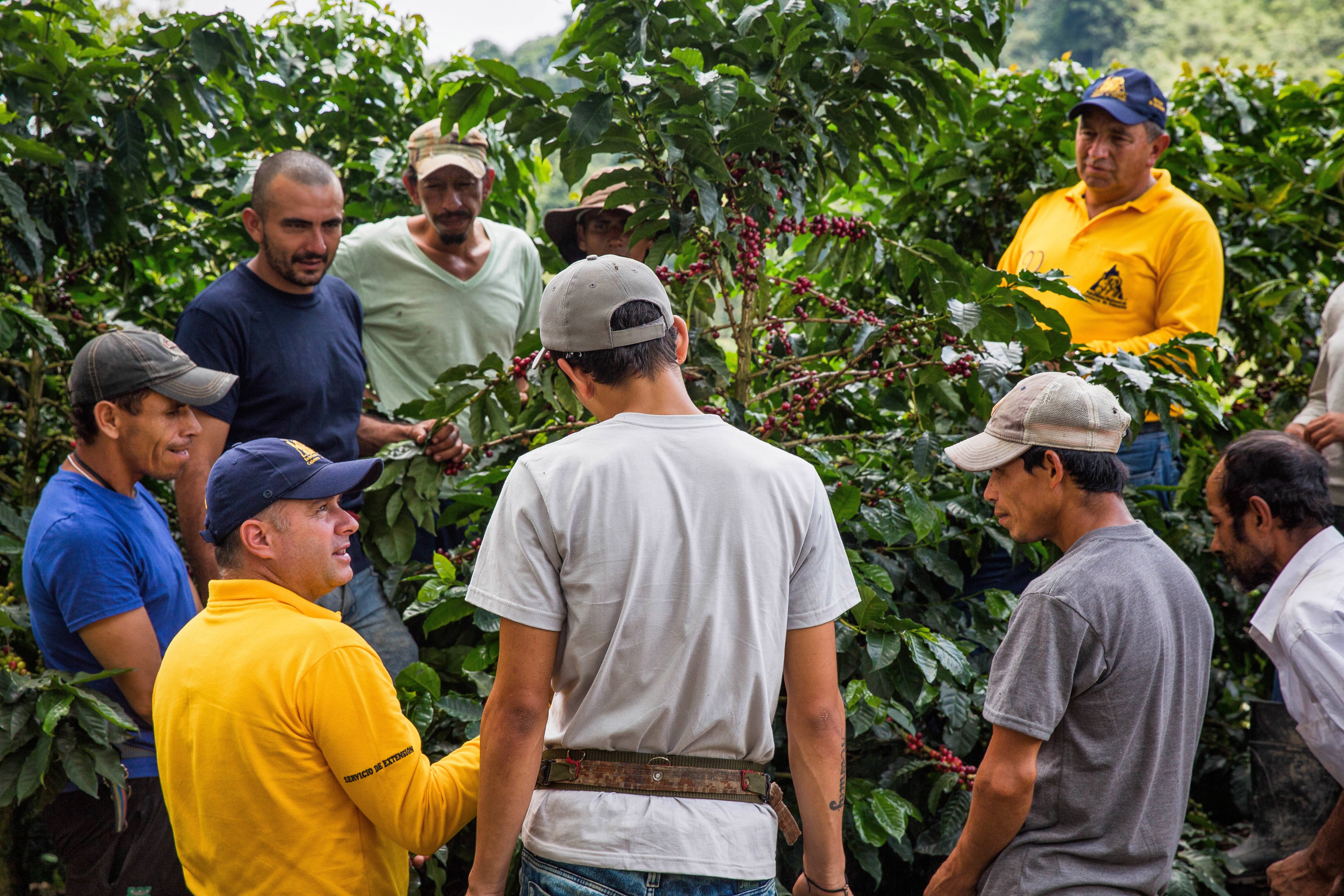
Most farms in the Huila region are small family operations, with an average cultivation area of just about 1.5 hectares per household. During harvest season, farmers rely on hand-picking to select only fully ripe coffee cherries, ensuring the quality of the raw materials. Due to ample local water sources, the traditional washed processing method is widely used: unripe or defective cherries are first removed, and the beans are depulped and mucilage-removed on the same day. Most farms use hand-cranked depulpers for initial processing, followed by a 28 to 40-hour fermentation process, then thorough washing with clean water to remove residual mucilage. Finally, the beans are dried naturally for 12 to 20 days under shade along with their parchment layer, ensuring stable moisture content and optimal conditions for subsequent roasting.
Although many experimental processing methods have emerged in the market, bringing more pronounced flavor characteristics, washed and natural processes remain the best starting points for understanding the essence of a coffee region’s flavor. Washed processing significantly reduces defect rates and enhances overall cleanliness and clarity. Many of the everyday beans available on the market today use this method, known for their stable quality and approachability. For example, a certain brand’s classic Colombian everyday beans are washed-process Caturra variety, sold in 100-gram small packages, ideal for beginners to familiarize themselves with the basic profiles of various regions and further explore personal preferences.

Caturra is one of the most widely planted Arabica varieties, originating in Brazil as a natural mutation of the ancient Bourbon variety. Its plants are shorter than Bourbon, and although they are less resistant to disease, they are suitable for high-density planting, yielding higher output per unit area. They also deliver outstanding flavor performance, winning accolades in numerous competitions across Central and South America. This variety, when processed via washed methods, often exhibits bright lemon acidity and tropical fruit notes, which transform into rich chocolate and nutty sweetness after medium-dark roasting, making it a “versatile” favorite among many roasters.
A certain brand’s selection of Colombian everyday beans is medium-dark roasted to preserve Caturra’s bright acidity while enhancing the rich base of nuts and chocolate, resulting in a mild, smooth mouthfeel with a long-lasting aftertaste. During the roasting process, the team adjusts heat and time based on cupping results to best present the most representative balanced flavor of the Huila region. The brand emphasizes that each new bean lot undergoes at least one professional cupping session, and advises consumers to pay attention to the coffee beans’ shelf life—freshly roasted beans (generally within 5 days post-roast) retain their full aroma and complexity, while flavors often noticeably decline after more than a month.
For medium-dark roasted everyday beans from the Huila region, where the flavor profile is dominated by nuts and chocolate and the beans have strong water absorption, it is recommended to use a medium grind size to control extraction time and avoid over-releasing impurities. As for water temperature, setting it slightly lower than usual for medium-dark roasts helps suppress excessive burnt bitterness; around 90°C is advised. Pairing this with the KONO filter for pour-over helps highlight its rich and smooth characteristics.
Compared to the commonly used V60, the KONO filter has a distinctly different structural design: its only major air vent is located at the rim of the filter, about a quarter of the way up the ribs. When the water level exceeds this area, the space between the filter paper and the filter cup gradually narrows, slowing the water flow due to increased pressure. This raises the immersion pressure on the coffee grounds, extending the release time of soluble substances and helping extract a richer and smoother taste. This design is particularly suitable for medium-dark roasted coffee, enhancing the expression of body and sweetness.
Recommended practical pour-over parameters are as follows: Use the KONO filter, set water temperature to 90°C, grind size to 75% passing through a standard #20 sieve (approximately medium-fine), and a powder-to-water ratio of 1:15 with 15 grams of coffee. Employ a three-stage extraction: the first stage involves pouring double the coffee weight in water (about 30 grams) for a 30-second bloom to activate the coffee grounds; the second stage uses a slow, circular pour from the inside out to reach 125 grams, waiting for the coffee bed to slightly drop before continuing to the third stage until the total water volume reaches 225 grams. The entire extraction process should be controlled to around 2 minutes. These parameters help balance the nutty and chocolatey notes of the Huila everyday beans while highlighting gentle fruit acidity and delicate sweetness.
The brewed coffee delivers an initial impression of distinct chocolate, nut, and caramel aromas, with a round, smooth mouthfeel, moderate body, and a clean finish. As the temperature drops, subtle layers of soft fruit acidity gradually emerge, adding more vibrancy and complexity to the overall flavor profile. It is a classic origin representative that is both suitable for daily drinking and easy for beginners to enjoy.
The above content is compiled by CoffeeHunters, a coffee news website.


