







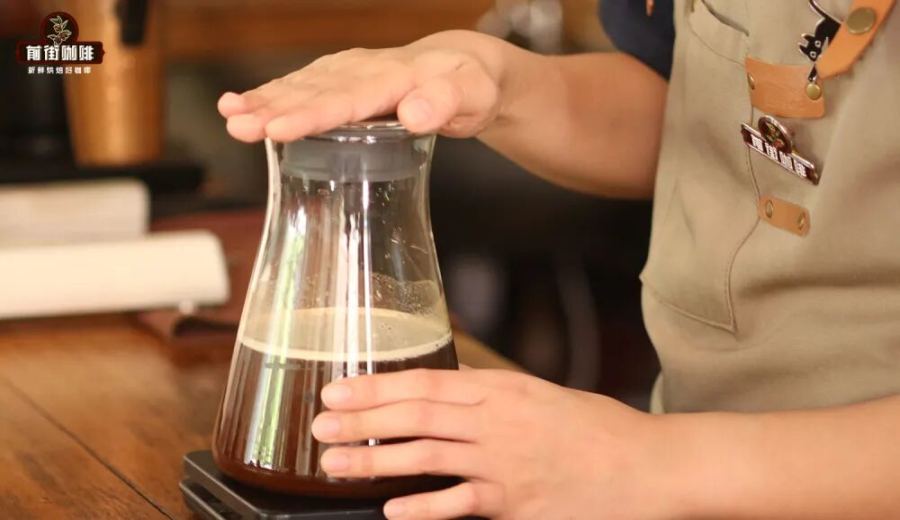
Introduction:Wondering if brewing coffee with cold water affects its flavor and mouthfeel? This article puts both room-temperature water and ice water cold brew methods to the test, analyzing grind size, coffee-to-water (or ice) ratio, and extraction time in detail to show you how temperature alters a coffee’s acidity, sweetness balance, and clarity. We document every step and key parameter to help you find your ideal cold brew flavor direction.
Cold brew coffee is known for its low-temperature, long-duration extraction method, typically involving soaking ground coffee in room-temperature or cold water and letting it steep in the fridge for several hours before filtering. But what happens if we replace cold water with ice water? Does that impact the final cup? We used the same coffee beans and compared extraction using both room-temperature water and ice water, evaluating everything from grind size, ratio settings, steeping time, to flavor performance.
The experiment found that while the yield from ice water cold brew was noticeably lower, the resulting flavor profile showcased a cleaner and brighter fruitiness—such as grape, pineapple, cherry, and orange—along with a mild bitterness, giving an overall impression closer to fruit-infused tea. This article will detail the full procedures and key ratios of both methods, and explain how temperature affects extraction efficiency, so you can adjust your cold brew to your taste preferences.
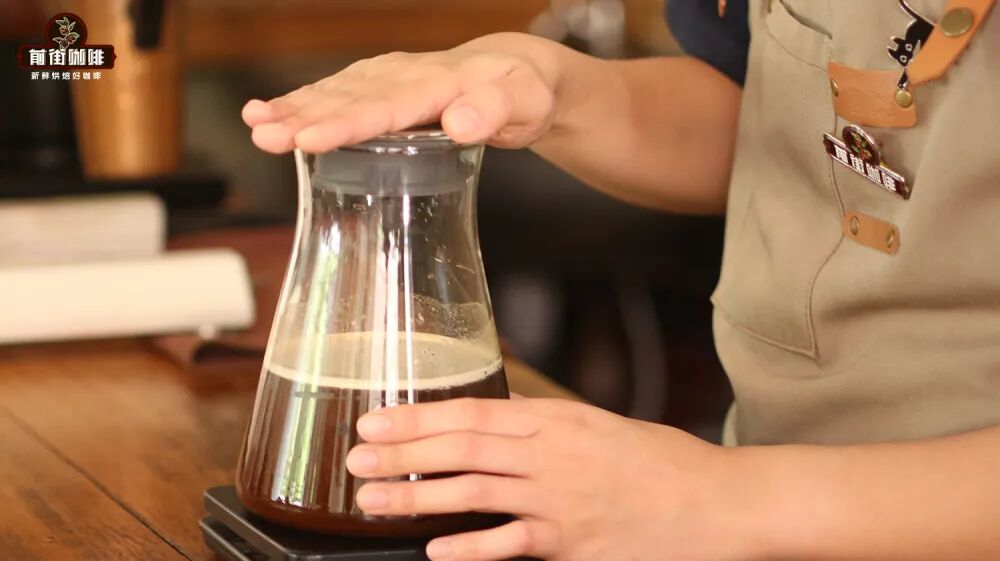
As the name suggests, cold brew involves extracting aromatic compounds from coffee using water at low temperatures. The most traditional method is to steep coffee grounds in cold or room-temperature filtered water inside a sealed container placed in the fridge for 12 to 24 hours. This allows flavors to gradually release, then the grounds are filtered out, resulting in a clean-tasting, low-impurity coffee liquid.
However, the water source for low-temperature extraction isn’t limited to just room-temperature water. Mixing ice cubes with cold water to create ice water can also be used to steep coffee grounds. But which is better—ice water cold brew or traditional room-temperature cold brew? And how do their flavor profiles differ? Below, we conduct a comparative experiment using the same coffee beans with both methods.
For this experiment, we selected Colombian Gordo beans, which have a prominent fruity profile and are well-suited for cold brew. In the room-temperature water setup, we used 20 grams of coffee grounds ground to a coarseness similar to sugar granules. For example, on an electric grinder like the EK43s, the grind setting was 9.5; on a hand grinder like the C40, it was around 24. This grind size ensures smooth water flow and stable flavor release.
For the coffee-to-water ratio, we set it at 1:12—that is, 20 grams of coffee grounds to 240 grams of room-temperature purified water. The coffee grounds and water were poured into a sealable glass bottle or container, stirred thoroughly, sealed, and then refrigerated for 12 hours. After steeping, the coffee grounds were filtered out using paper filters, and the brew was ready to enjoy.
As for the ice water cold brew setup, we again used 20 grams of Gordo beans. However, because ice water is significantly colder, usually only 0–10°C, the extraction efficiency is further reduced. Therefore, we adjusted the grind slightly finer—about 9 on the EK43s and around 22 on the C40—to allow better contact between water and coffee particles.
Additionally, since the ice cubes used in the experiment were relatively large and melted slowly, we had to adjust the coffee-to-water-to-ice ratio. The final ratio was set at 1:8:4, meaning 20 grams of coffee grounds, 160 grams of purified water, and 80 grams of ice cubes. All ingredients were mixed in a container, stirred evenly, sealed, and refrigerated for 12 hours. During filtration, a small amount of unmelted ice was still observed, and the total yield was relatively lower.

In terms of flavor, the room-temperature water cold brew had a darker liquor color. Upon tasting, one could clearly detect the bright acidity of berries such as blueberry and blackcurrant, with a citrusy acidity as clear as grapefruit, accompanied by moderate fermentation notes. The mouthfeel was relatively rich and full-bodied, with a slight bitterness in the aftertaste, delivering the balanced flavor typical of traditional cold brew.
The ice water cold brew, however, was a pleasant surprise. Although the yield was noticeably less, the flavor was entirely different. From the first sip, one could taste intense bright fruitiness—grape, pineapple, cherry, and orange—with clear and layered acidity and sweetness. The mouthfeel was clean and sweet, with almost no bitterness, resembling a chilled fruit tea. The flavor was refreshing and left a strong impression.
Why does the same coffee bean produce such distinctly different flavors simply due to water temperature? The key lies in the direct impact of temperature on extraction efficiency. Higher temperatures allow water to dissolve more coffee compounds and at a faster rate; conversely, low temperatures—especially the 0–10°C range of ice water—greatly reduce the release of soluble substances.
Moreover, coffee beans contain hundreds of chemical compounds, including acids, sweetness, bitterness, and various volatile aromatic molecules, each with different dissolution rates and optimal temperatures. Generally, volatile compounds responsible for floral and fruity aromas are released first, followed by sweetness-contributing caramel and sugar compounds, while bitterness and impurities often require higher temperatures or longer durations to dissolve significantly.
Therefore, when using ice water for extraction, the overall low temperature suppresses the release of bitter substances and large molecular impurities, allowing bright fruit acids and sweet aromas to dominate. This results in a cleaner, brighter, and nearly bitterness-free coffee experience. If you prefer a refreshing, low-bitterness, fruit-forward cold brew, you might want to try ice water cold brew—it could bring you a whole new taste sensation.
The above content is compiled by CoffeeHunters, a coffee news website.


