








Introduction:To brew an espresso with balanced acidity, sweetness, and bitterness, as well as a round and full-bodied mouthfeel, selecting the right coffee beans is crucial. While single-origin beans are suitable for pour over, they often struggle to deliver the complexity and richness required for espresso. This article delves into the characteristics of medium-roast espresso blends, compares the differences between pre-blend (生拼) and post-blend (熟拼) methods, explains why professional roasters often choose blends for espresso, and shares practical advice on roasting and bean selection.
The key to crafting a memorable espresso lies in choosing the right coffee beans. Whether enjoyed on its own or as the base for lattes and cappuccinos, the acidity, sweetness, and body of espresso often require blending beans from different regions to achieve the perfect balance.
Single-origin beans excel in pour over brewing, showcasing distinct regional characteristics and clear flavor profiles. However, in high-pressure espresso extraction, using single-origin beans alone can result in flavors that are thin or unbalanced. As a result, many roasters opt to blend multiple beans in specific proportions, fine-tuning the overall profile to achieve a richer and more balanced taste structure.

Espresso blends are not simply a random mix of beans. A well-designed blend takes into account the origin characteristics, processing methods, roast levels, and the desired flavor profile of each bean variety. There are two main blending methods: "pre-blend" (生拼) and "post-blend" (熟拼). Each technique has its pros and cons and is suited to different scenarios.
Pre-blend refers to mixing green beans from different regions and varieties before roasting, then roasting them together under the same roast curve. The advantage of this method is consistent roast levels and high flavor coherence, preserving a unified roast aroma. However, it requires that the beans have similar particle size and density; otherwise, uneven roasting may occur, affecting the final quality.
In contrast, post-blend involves roasting each type of bean separately to its optimal roast level, then blending them in proportion. This method allows for fine-tuning the roast curve for each bean’s unique characteristics, maximizing their potential, and then complementing their weaknesses through blending. However, post-blend requires more precise roasting control, and adjusting the recipe may necessitate re-roasting certain beans.
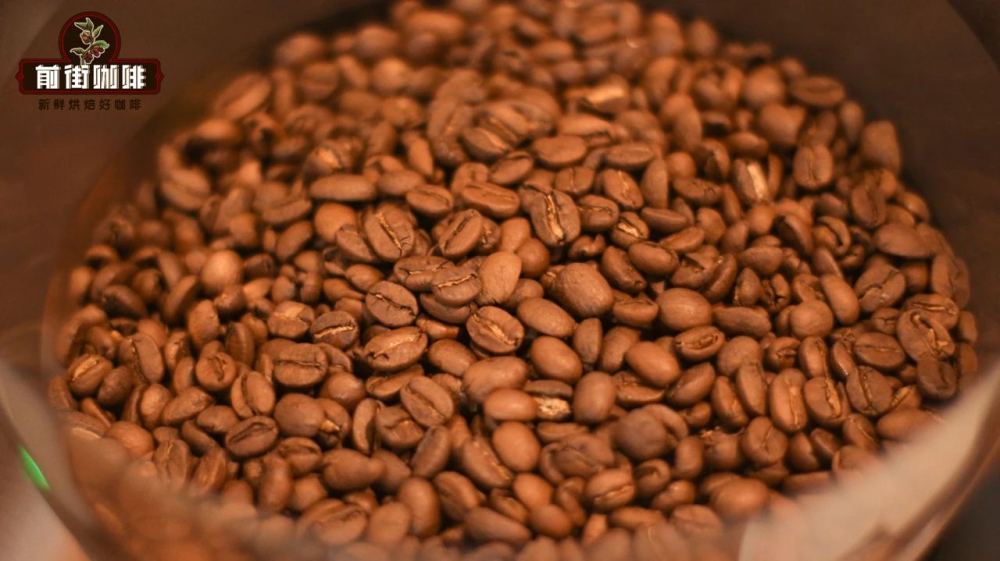
Many roasters choose a medium roast level for espresso blends because it balances acidity and sweetness while delivering a rich mouthfeel, along with moderate caramelization reactions that impart intense sweetness and chocolatey notes. These beans are not only suitable for straight espresso but also pair well with milk, showcasing a silky crema and balanced sweetness.
Here are four common examples of medium-roast espresso blends, each representing different market positions and use cases. Although these blends come from different brands, they all exhibit the typical traits of medium-roast espresso beans, helping to understand the core logic behind blend design.
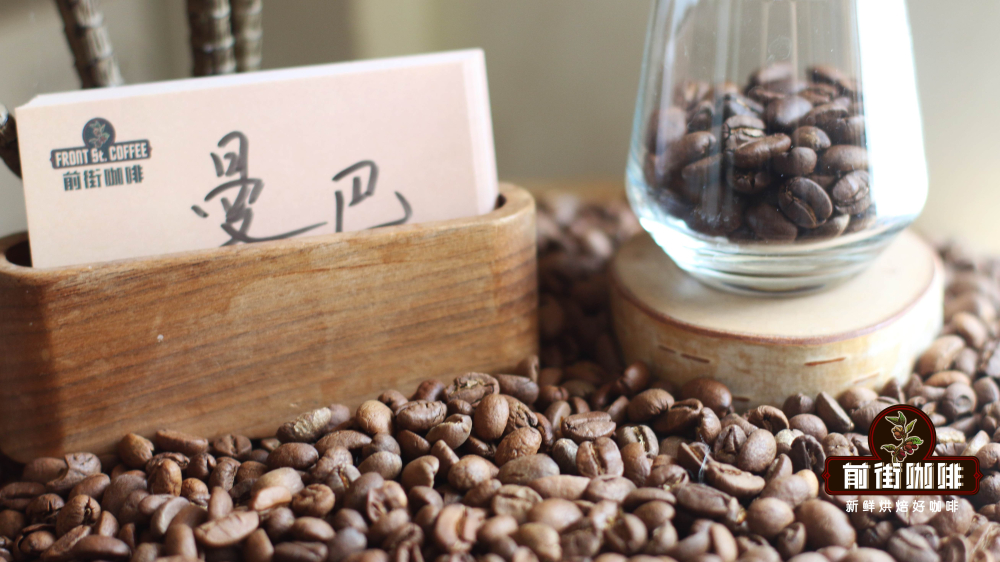
The first type features a fruity profile, often based on beans with berry or wine-like notes, blended with small amounts of beans from other regions to enhance body. This style is suitable for small coffee shops or home roasting enthusiasts, showcasing unique and personalized flavors, though attention should be paid to balance when paired with milk.
The second type offers a classic smooth style, primarily composed of Brazilian and other Central and South American beans, with a touch of bright-acidity beans to create a soft entrance and clean aftertaste. These blends are ideal for everyday drinking and widely used in various milk-based coffees, making them a popular choice for many specialty coffee shops.
The third type is a commercial-oriented blended coffee, commonly found in high-volume cafés, often including a small percentage of Robusta beans to enhance crema and crema texture. This blend emphasizes stability and cost-effectiveness, making it suitable for chain stores or high-traffic beverage shops, with a flavor focus on caramel sweetness and a chocolate base.
The fourth type leans toward a soft and mellow style, often using high-altitude beans combined with Brazilian beans to boost body. This blend suits small shops or pairing with desserts, offering gentle flavors that are widely appealing while retaining the essential characteristics of espresso.
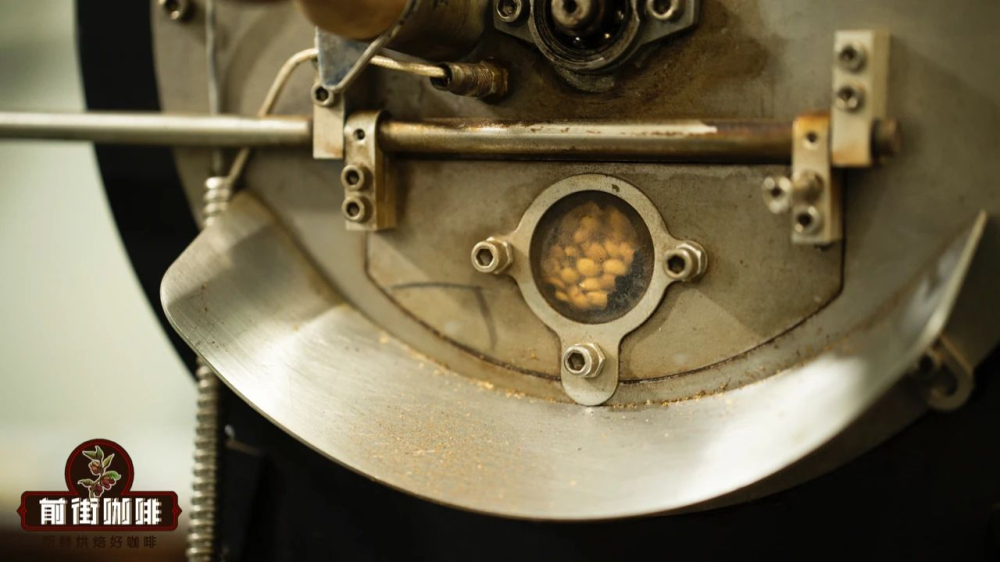
Regardless of the blending strategy chosen, understanding the differences between pre-blend and post-blend, as well as the impact of medium roast on flavor expression, is fundamental to crafting a high-quality espresso. From bean selection and roasting to adjusting blend ratios, every step influences the final cup’s flavor profile. Only by mastering these core elements can one adapt to different needs and brew a perfectly balanced espresso with a rich and harmonious mouthfeel.
The above content is compiled by CoffeeHunters, a coffee news website.


