







Introduction:As one of the classic varieties in the Arabica family alongside Typica, Bourbon coffee is renowned for its diverse mutations and rich flavor profiles since its emergence on the island of Réunion (formerly known as Bourbon Island). This article delves into the distinctive characteristics of Red, Yellow, Orange, and Pink Bourbon, exploring their flavor expressions under varying growing regions and processing methods. We also highlight three representative Bourbon coffees—Brazilian Cerrado Red Bourbon, Finca La Reyna Yellow Bourbon, and Rwandan Red Bourbon—providing practical pour over parameters and tasting recommendations to help you gain a more comprehensive understanding of this classic coffee family.
The history of Bourbon coffee dates back to the French colonial period on the island of Réunion, formerly known as Bourbon Island, located approximately 650 kilometers east of Madagascar. This variety originated from a genetic mutation that occurred during the natural reproduction process of introduced Typica plants in the region. Compared to the original Typica, Bourbon not only exhibits significant differences in appearance—including shorter internodes and rounder, denser coffee cherries—but also offers more layered and sweet flavors, along with stronger resistance to coffee leaf rust.
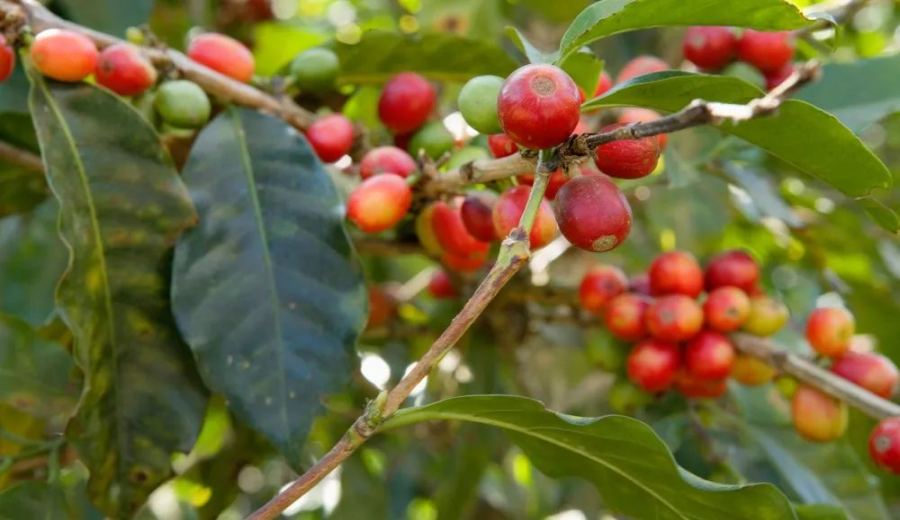
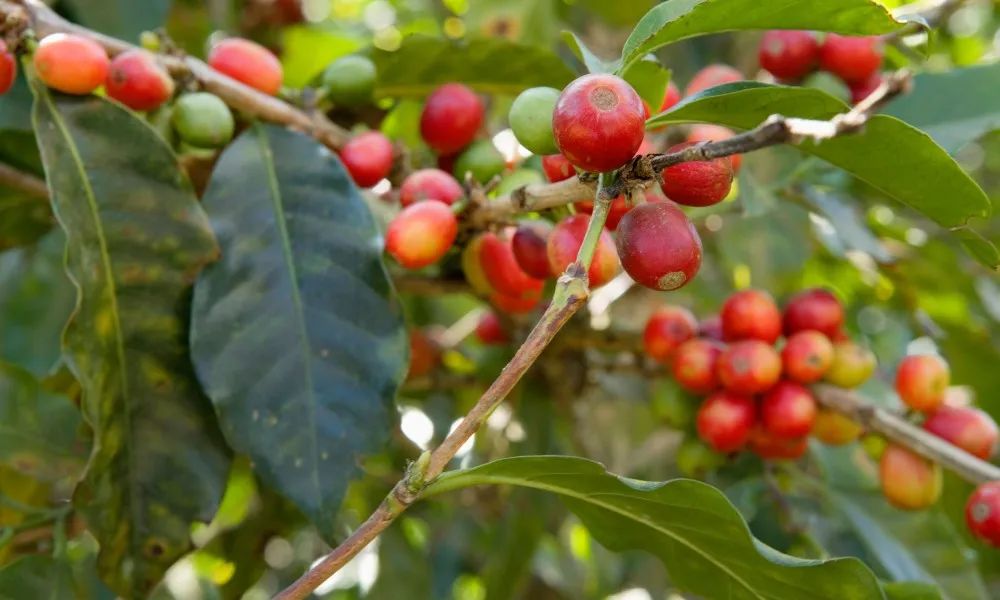
Among the various Bourbon mutations, Red Bourbon is the most common. When fully ripe, its cherries display a bright red exterior. This variety typically produces short, round cherries with high seed density, often characterized by bright acidity and excellent sweetness, making it a popular choice for many coffee enthusiasts entering the world of specialty coffee. In addition, there are Yellow Bourbon, Orange Bourbon, and the extremely rare Pink Bourbon, named for the yellow, orange, and pink hues of their ripe cherries, each with its own unique flavor characteristics.
Yellow Bourbon cherries ripen to a warm yellow color and generally possess softer acidity paired with intense sweetness, often featuring notes of cream, caramel, or nuts. Orange Bourbon is even rarer, with flavors typically falling between those of Red and Yellow Bourbon, showcasing complex layers of fruit and floral notes. As for Pink Bourbon, it is currently an exceptionally rare mutation in the market—not only is its yield low, but its flavor profile is also highly distinctive, often exhibiting bright berry, floral, and citrus notes, with delicate and layered acidity. It is a variety that many specialty coffee farms are dedicated to cultivating and preserving.
After understanding the characteristics of different Bourbons, we now recommend three representative Bourbon coffees, sourced from Brazil and Rwanda, covering various processing methods and flavor profiles, ideal for appreciating their refined qualities through pour over brewing.
First up isBrazil Cerrado Red Bourbon. Brazil’s coffee-growing regions are mainly divided into the high-altitude Brazilian Plateau (typically above 500 meters) and the low-altitude plains (mostly below 200 meters). The Cerrado region is located on the plateau and is one of Brazil’s key areas for specialty coffee. This Red Bourbon is processed using the pulped natural (semi-washed) method, where part of the fruit pulp is retained during fermentation, imparting greater sweetness and body to the coffee. It is recommended to roast it to a medium-dark level, making it suitable for various brewing methods such as pour over, French press, siphon, and drip bags. Its flavor profile often includes notes of nuts, toasted bread, and caramel, with low acidity and a smooth mouthfeel—making it an excellent entry point for coffee beginners exploring the world of Bourbon flavors.
The second recommendation isFinca La Reyna Yellow Bourbon. This coffee comes from the Mogiana region in eastern Brazil and is a less commonly seen Yellow Bourbon variety. The farm employs a semi-washed processing method to enhance sweetness and fruity aromas, and opts for a medium-dark roast to highlight its bold flavors. This bean is well-suited for brewing with a moka pot, pour over, drip bag, or siphon, offering layered notes of sugarcane sweetness, black tea undertones, chocolate, and roasted hazelnuts. It has a light acidity and a delicate, silky mouthfeel.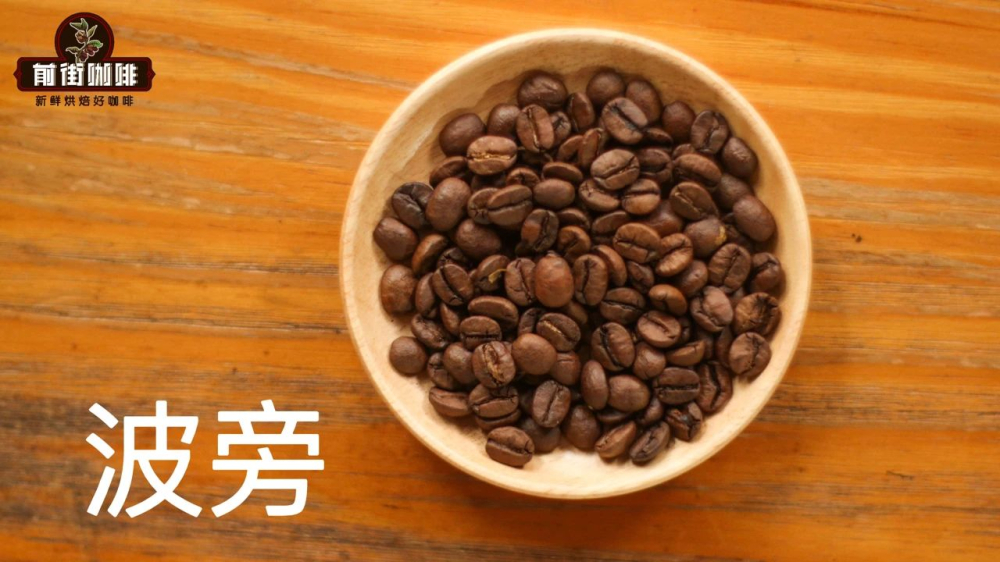
Finally, we recommendRwandan Red Bourbon. Distinctly different from South American styles, Rwandan coffee is celebrated for its vibrant floral and fruity aromas. This Red Bourbon, grown at altitudes above 1600 meters, is processed using the washed method to emphasize cleanliness and bright acidity. After brewing, it often presents flavors of dark berries, citrus, stone fruits, and subtle floral notes, with an elegant tea-like aftertaste. Its acidity is round and balanced, with minimal bitterness—making it highly appealing to coffee lovers who enjoy fresh, fruity profiles. Recommended brewing methods include pour over, drip bag, cold brew, or siphon, all of which can fully showcase its intricate flavor layers.
In summary, the diversity within the Bourbon family offers coffee enthusiasts the opportunity to explore its endless potential across different growing regions, processing methods, and roast levels. Whether you prefer the rich sweetness of Red Bourbon or the refreshing fruitiness of Pink mutations, you’re sure to find your preferred flavor profile within this classic variety. Through hands-on tasting and appropriate adjustments to brewing parameters, you’ll be able to better appreciate the unique charm of Bourbon coffee.
The above content is compiled by CoffeeHunters, a coffee news website.


