







Introduction:As a beloved naturally processed coffee bean, Ethiopia Yirgacheffe Huaguai 8.0 makes another appearance this year with its abundant tropical fruit aroma and juicy flavor profile. This article delves into the origin of Huaguai 8.0, the fundamental differences between it and the Geisha variety, and shares the story behind its TOH competition origins and the logic of its annual version numbering. It also provides professional pour over recommendations and real cupping experiences, guiding you through the dry fragrance to the inhalation layers to help you grasp the unique charm and brewing essentials of this classic natural coffee.
The Ethiopia Yirgacheffe Huaguai series has long been a representative of classic natural-processed beans for fans of bright acidity. Now entering its 8th harvest season, the latest batch “Huaguai 8.0” has made its timely debut. This natural G1 coffee bean from the Guji-Hambela region impresses with its intense tropical fruit character and clear juiciness, continuing to attract coffee lovers worldwide. This article will fully analyze the naming origin of Huaguai 8.0, how it differs from Geisha, the historical background of the TOH competition, and the reasoning behind the evolution of its versions over the years. Through an actual unboxing and hands-on pour over test, we’ll take you through the layered changes in fragrance and inhalation of this bean.
The Origin of Huaguai and Its TOH Competition Background
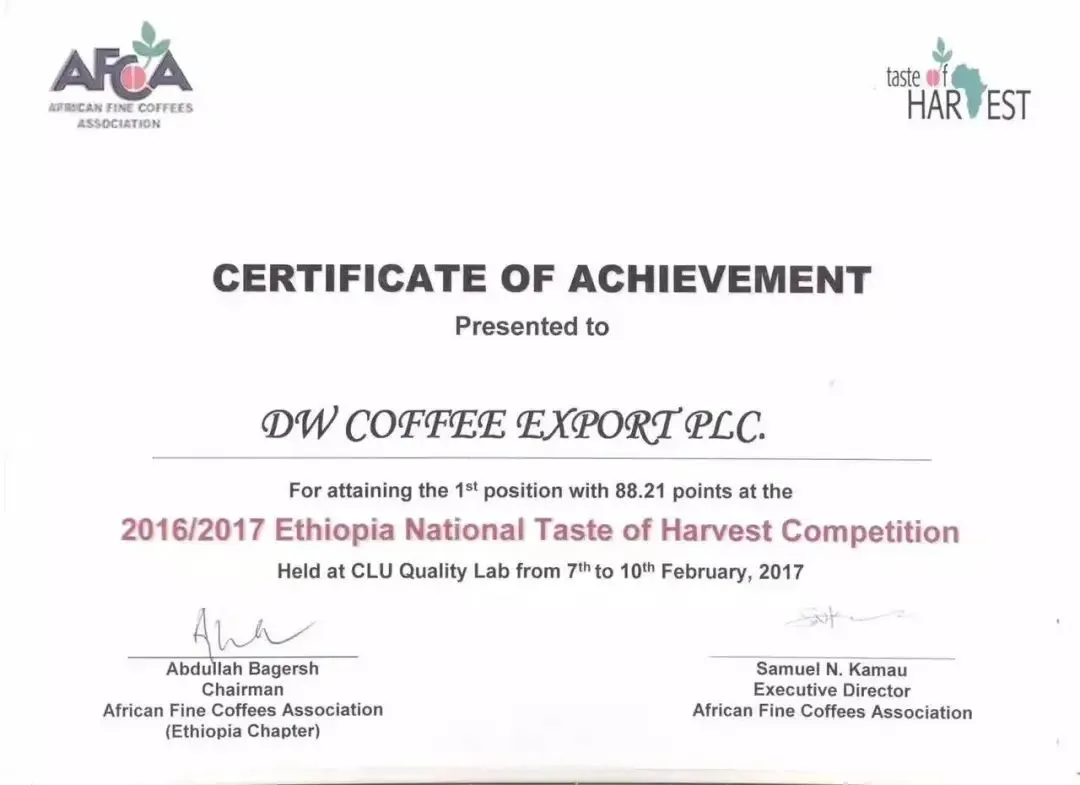
Huaguai is not the name of a coffee variety, but originates from a naturally processed coffee bean from the Buku Abel processing station in the Hambela area of the Guji region, Yirgacheffe, Ethiopia. This bean was entered by DW Coffee Company into the TOH (Taste of Harvest) green coffee competition in 2017. With its rich berry aroma and creamy texture, it won first place in the natural category that year. It was later introduced to the Chinese market by a Beijing-based green coffee importer and named “Huaguai,” meaning the “first of all flowers.” Notably, this bean later became a popular choice in Chinese barista competitions, even defeating several Geisha coffees and achieving instant fame.
Huaguai is Not Geisha: Fundamental Differences in Variety and Region
Many beginners often mistakenly believe that Huaguai is Geisha or consider Huaguai to be a premium grade of Geisha. In reality, the two are entirely different. Geisha is an independent coffee variety originating from Ethiopia and now famous for its cultivation in Panama, known for high-toned flavors such as jasmine, peach, and tea-like notes. In contrast, Huaguai is a natural-processed batch from the Hambela region of Ethiopia’s Yirgacheffe, using local heirloom varieties and emphasizing intense fruit aroma and rich juiciness. The two differ significantly in variety, processing method, and regional characteristics.
The Version Logic of Huaguai X.0: How to Identify Year and Batch
Starting in 2018, to meet expanding market demand, DW Company established several additional processing sites around the original Buku Abel station, including Buku Saysay, Haro Soresa, Tirtiro Goye, and Seke Bokosa, all located in the core production area of Dimtu town. Although the processing methods and regions are similar, annual variations in climate, ripeness, and processing details lead to differences in flavor. To distinguish products from different years, domestic traders adopted the “Huaguai X.0” numbering system—for example, 2018 was Huaguai 2.0, 2019 saw Huaguai 3.0 and 3.1, and the latest 2024 release is Huaguai 8.0—making it easier for consumers to identify batches and track flavor evolution.
The Actual Flavor Profile of Huaguai 8.0
This year’s Huaguai 8.0 continues the use of high-altitude (2250–2350 meters) heirloom variety beans processed naturally. The coffee cherries are harvested when their sugar content reaches above 30 and then undergo about 18 days of strictly controlled temperature and humidity sun-drying on raised beds, resulting in its rich fruit aroma and full-bodied taste. Upon opening the bag, you can immediately detect pronounced guava, jackfruit, and apricot aromas, accompanied by soft floral notes. After pour over brewing, it releases sweet notes of honey, berries, and chocolate, while inhalation reveals distinct layers of dried mango, orange, passion fruit, and peach. The acidity and sweetness are well-balanced, with a smooth, tea-like aftertaste.
Professional Pour Over Parameter Recommendations: How to Brew Out the Layers of Huaguai 8.0
To fully showcase the tropical fruit character and clear acidity of Huaguai 8.0, it is recommended to use a medium-light roast and brew with a V60 filter cone using the following parameters:
- Coffee Bean: Ethiopia Yirgacheffe Huaguai 8.0 (Natural G1)
- Growing Altitude: 2250–2350 meters
- Grind Size: Fine sugar-like (approximately 80% passing through a #20 sieve)
- Dose: 15 grams
- Coffee-to-Water Ratio: 1:15
- Water Temperature: 91–92°C
- Bloom: First pour 30 grams of water, bloom for 30 seconds
- Second Pour: Add 95 grams of water, total 125 grams, for about 55 seconds
- Third Pour: Add 100 grams of water, total drip volume 225 grams, total time about 2 minutes
During brewing, it is recommended to use a slow, circular water flow to evenly saturate the coffee bed, avoiding over-extraction or channeling, in order to fully bring out the multi-layered fruit aroma and sweetness of Huaguai 8.0.
In summary, Huaguai 8.0 not only carries on the series’ signature intense tropical fruit flavors but also showcases even richer juiciness and layered body in the details. Whether you’re looking for a standout everyday bean or aiming to challenge yourself with a high-level pour over, this natural-processed coffee from Ethiopia’s Yirgacheffe region is a classic worth savoring.
The above content is compiled by CoffeeHunters, a coffee news website.


