







Introduction:From the Ethiopian Highlands to the rainforests of Indonesia, each coffee-producing region harbors unique terroirs and processing methods. This article delves into the world’s six classic coffee regions, including Yirgacheffe, Kenya, Brazil, Indonesia, Panama, and China’s Yunnan, analyzing their geographical environments, main cultivars, processing techniques, and typical flavor profiles. It also includes reference beans to help coffee enthusiasts develop regional recognition and tasting fundamentals.
Coffee, along with tea and cocoa, is one of the world’s three major beverages. Although it has only been introduced to China for just over a hundred years, the specialty coffee culture has developed rapidly in recent years, with more and more consumers beginning to pay attention to details such as origin and processing methods. This article focuses on six iconic global coffee regions, from Yirgacheffe in Ethiopia to Yunnan in China, analyzing local geographical conditions, representative varieties, processing methods, and flavor characteristics one by one, while interspersing references to actual beans to provide practical content that combines origin background with tasting guidance.
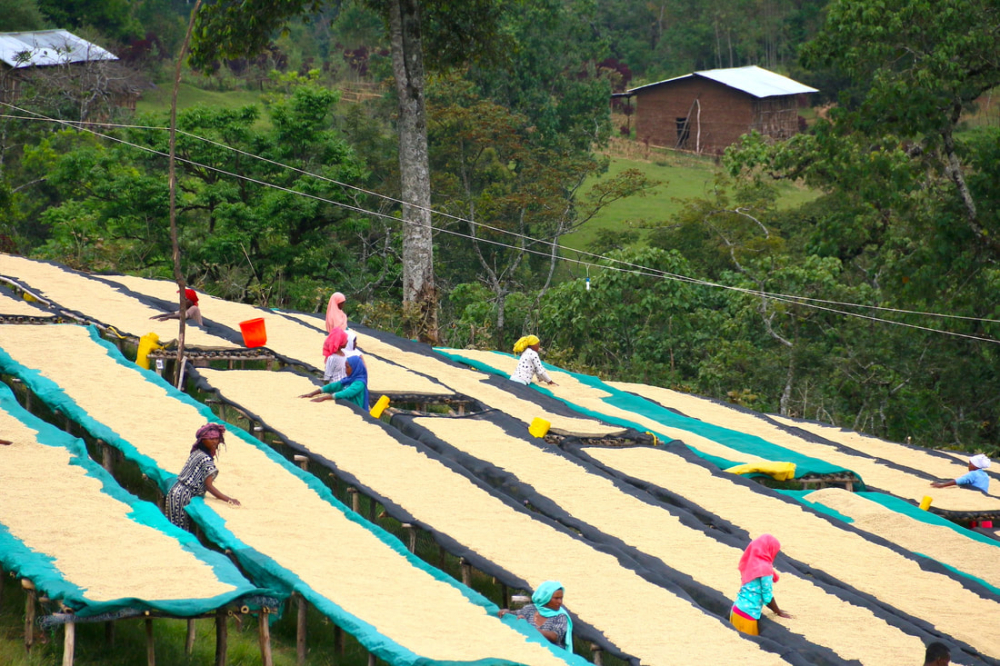
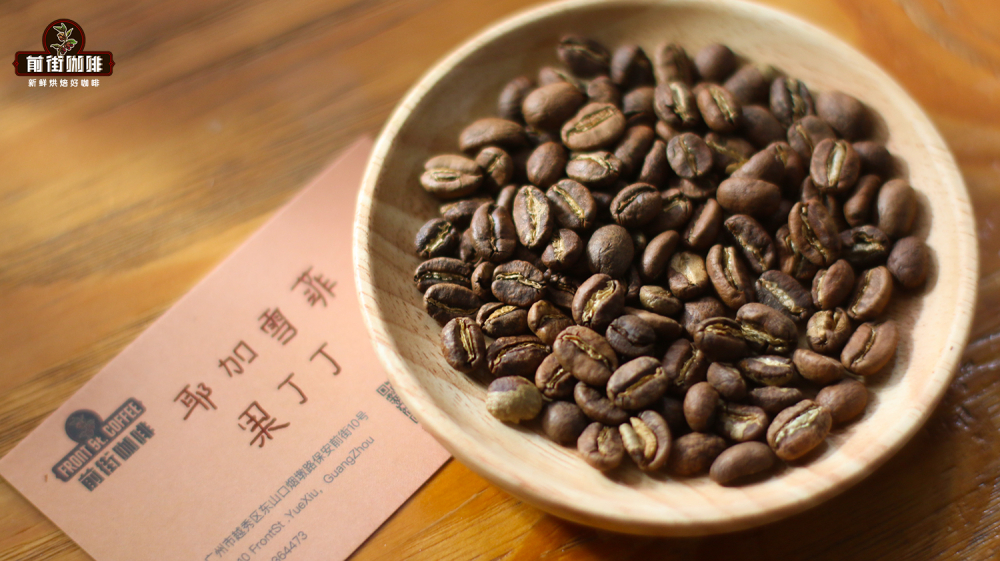
Yirgacheffe is the starting point for many coffee beginners to get to know specialty coffee. Originally a small town under Sidamo, it eventually stood out as an independent region due to its highly distinctive bright acidity and delicate floral notes. The area generally sits at elevations of 2000 to 2100 meters, primarily using the washed processing method and local heirloom varieties. Typical flavors include citrus, black tea, floral notes, and a creamy caramel finish. For example, beans from the Guddina Cooperative in Yirgacheffe not only deliver standard fruit acidity and floral aromas but also offer a tea-like sensation reminiscent of lemon tea, making them suitable for drinkers who prefer a clean and bright acidity.
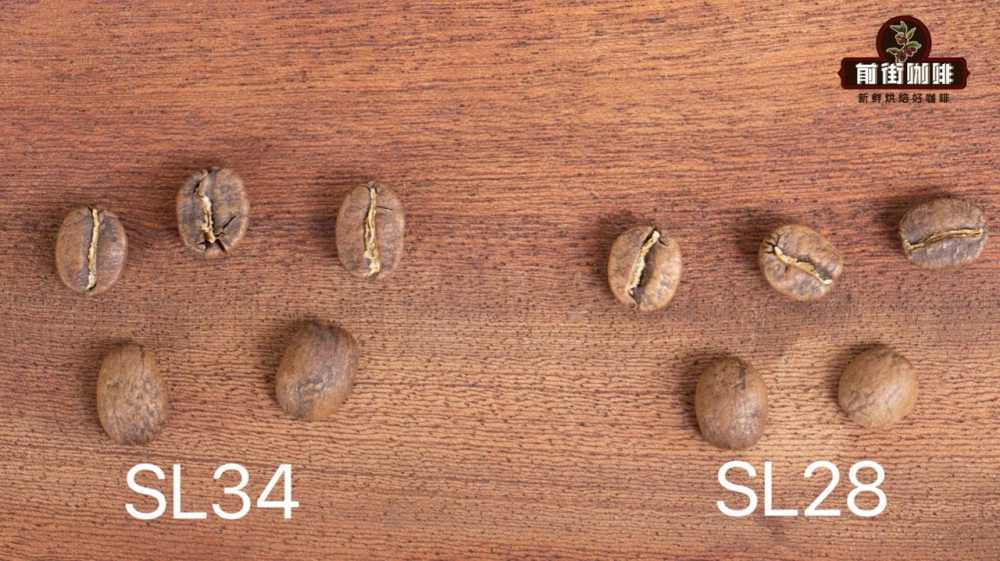
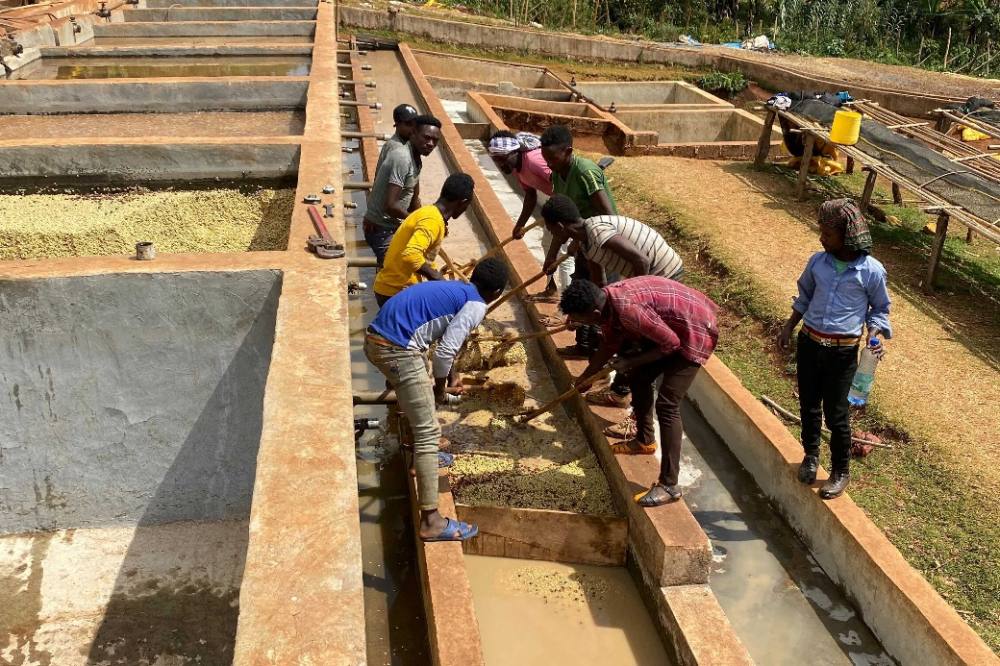
Kenyan coffee is renowned for its intense acidity and rich layers, standing out among African producing regions. The main varieties, SL28 and SL34, were selectively bred by the Kenya Agricultural & Livestock Research Organization. The former is drought-resistant and pest-resistant, suited for medium-to-high altitudes, while the latter thrives in highland environments with abundant rainfall. Their flavors are similar, but SL34 exhibits brighter acidity and a fuller body. Kenya’s unique K72 washed process involves three 24-hour fermentations and washes, accumulating 72 hours of extended fermentation, which imparts vivid blackberry acidity and a clean cup profile. For instance, beans from the Asali washing station in the Thika region often showcase distinct fruit notes such as pears, dark plums, brown sugar, and cherry tomatoes.
As the world’s largest coffee producer, Brazil is known for beans with low acidity, full body, and nutty-chocolatey profiles. With most plantations situated between 400 to 1600 meters above sea level and predominantly using natural sun-dried processing, Brazilian coffee cherries reach high maturity but have lower density, resulting in their soft bean characteristics. Common flavors include nuts, buttery peanuts, cane sugar, and mild woody notes, making them suitable for consumers who prefer less pronounced acidity. For example, the Yellow Bourbon from Fazenda Rainha in the Mogiana region, processed via the natural method, showcases rich nutty and fermented fruit flavors, with a smooth mouthfeel and notable sweetness.
Indonesian coffee is famed for its unique wet-hulled (Giling Basah) processing technique, with Mandheling being the most representative. Due to the region’s high humidity and short sunlight duration, sun-drying can easily lead to mold, while washed processing consumes too much water. As a result, the wet-hulled method—where part of the mucilage is removed before the parchment is hulled—was developed. This technique gives the coffee low acidity, a thick body, and distinctive herbal-spicy notes, though with relatively lower quality consistency. Take the Golden Mandheling from the Gayo highlands in North Sumatra’s Aceh region as an example, which uses the Ateng variety and the wet-hulled method, often presenting flavors of spices, nuts, pine, and chocolate with a full-bodied profile.
Panama’s Hacienda La Esmeralda is a pioneer in promoting the Geisha variety. Introduced in the 1960s and meticulously cultivated over the years, it won top honors at the BOP competition in 2004. Geisha demands high altitudes, shade, and specific soil conditions, which contribute to its refined floral aromas and elegant fruit acidity. The Esmeralda Red Label Geisha is grown at elevations above 1700 meters and processed via the natural method to enhance citrus, jasmine, and berry notes. Its honey-like sweetness and well-balanced, layered acidity-sweetness make it a highly sought-after choice for specialty coffee enthusiasts.
China’s Yunnan Province has a coffee-growing history dating back to the early 20th century, initially dominated by Typica, later shifting to the disease-resistant Catimor variety due to industry needs. Major producing areas are concentrated in the southwestern regions of Lincang, Pu’er, and Baoshan, characterized by distinct dry and wet seasons and abundant sunshine. For example, sun-dried Typica from Lincang, grown at around 1300 meters, retains more fruit pulp sugars through sun drying, offering mellow flavors of berries, brown sugar, and nuts, paired with a unique tea-like sensation. It is well-suited for drinkers who prefer a gentle and smooth cup.
The above content is compiled by CoffeeHunters, a coffee news website.


