







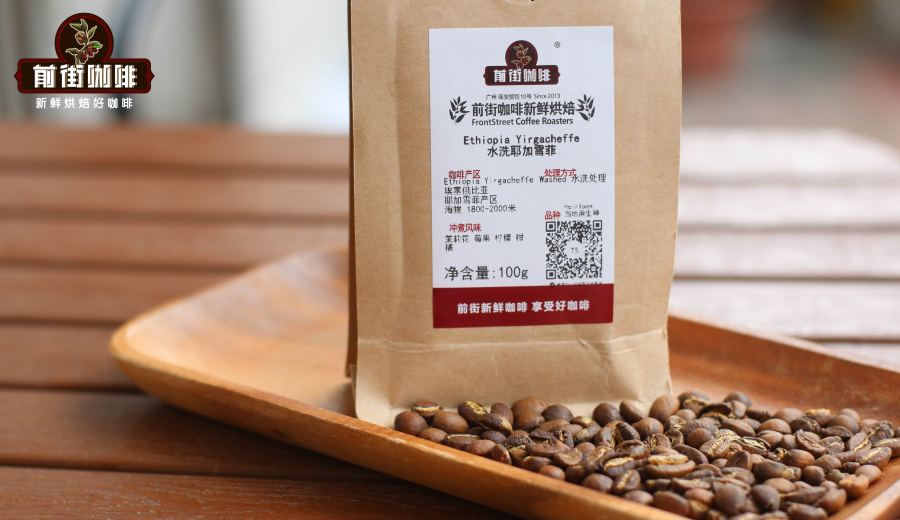
Introduction:Yirgacheffe Red Cherry G1 is one of the representatives of Ethiopia’s specialty coffee, with both its natural and washed versions offering distinct characteristics. This article delves into the G1 grading standards, helping you understand how natural and washed processing shape different flavor profiles. It also provides practical pour over parameters and brewing recommendations to assist you in selecting the bean that best suits your taste preferences.
When it comes to Ethiopia’s specialty coffee, Yirgacheffe is undoubtedly a name that cannot be overlooked. The Arabica beans produced here are renowned for their bright acidity, delicate floral notes, and unique citrus tones, winning the hearts of coffee lovers worldwide. Among them, Red Cherry G1 is a star bean from this region, and whether processed naturally or washed, it showcases an exceptionally high level of flavor complexity.
In Ethiopia, coffee bean grading is primarily based on the ratio of defective beans, while also taking into account cupping results and bean appearance for a comprehensive evaluation. The lower the number, the higher the quality. Both Yirgacheffe Red Cherry G1 and Guji Dingding G1 belong to the highest grade, G1, while the more common G2 is a step down, suitable for consumers with a tighter budget who still want to experience the flavors of Yirgacheffe.
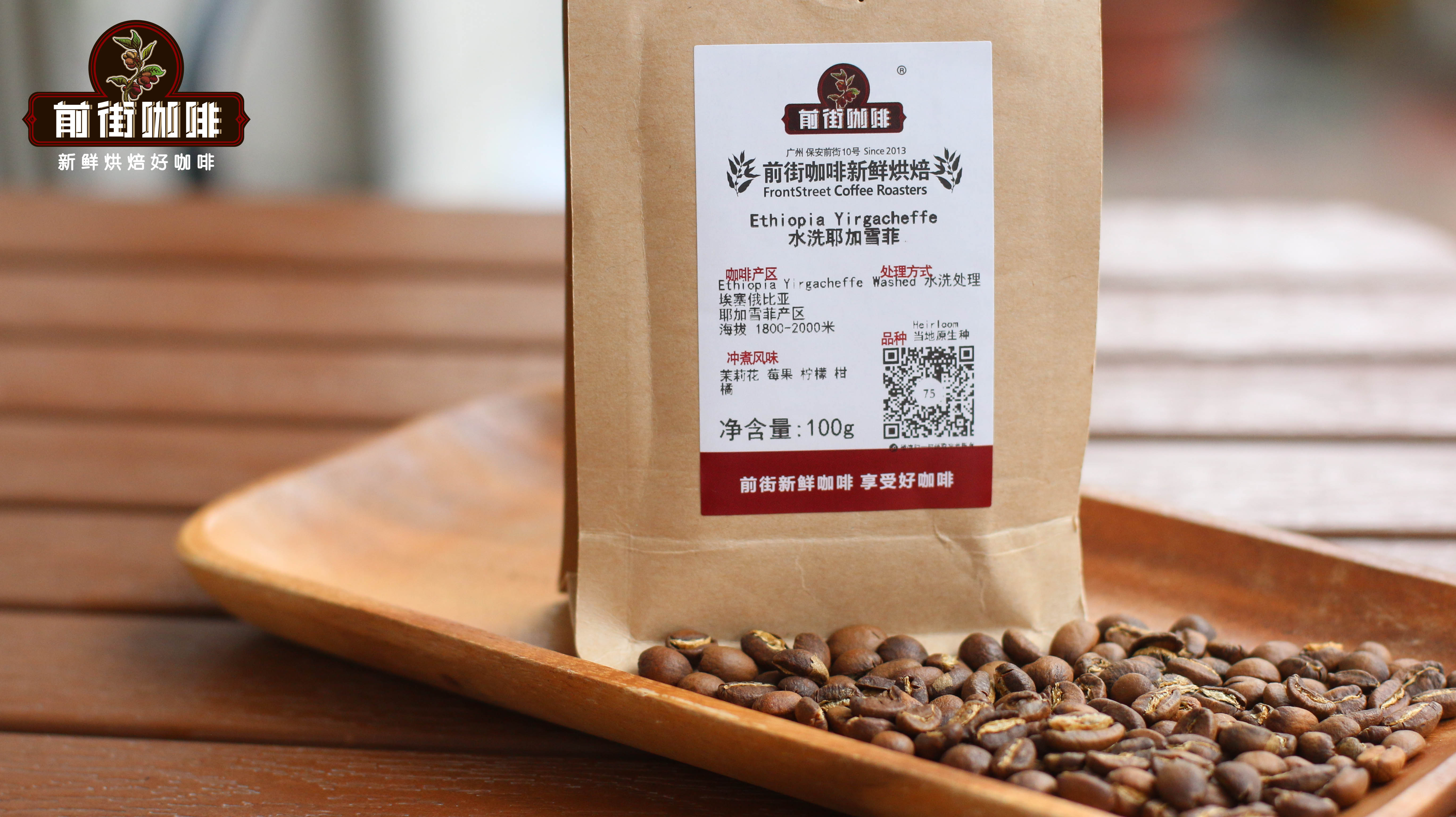
Let’s first take a look at the natural version of Red Cherry G1. This bean is grown at an altitude of about 2,300 meters in the Yirgacheffe region and is meticulously processed by the Aletaran washing station. It uses local heirloom coffee varieties and is processed using the traditional natural method. During processing, the coffee cherries are placed on raised drying beds along with their pulp, avoiding contact with the ground to ensure no contamination from impurities. After more than two weeks of sun exposure, the fruit gradually turns dark brown, and only then are the dried beans separated from the pulp.
This processing method gives Red Cherry G1 a rich berry profile, paired with subtle floral notes, lemony acidity, and a hint of strawberry flavor, with a slight fermented aroma in the aftertaste. The overall profile is round and sweet. It is recommended to use pour over, cold brew, drip bags, French press, or siphon brewing methods to highlight its multi-layered fruity and sweet characteristics. It is especially suitable for those who enjoy a full-bodied mouthfeel and natural fruitiness.
The charm of the natural method lies in its ability to preserve the original flavors of the coffee fruit, but it also demands higher processing skills. Raised drying beds effectively prevent moisture and odors from the ground, but strict control of weather and temperature is required to avoid over-fermentation or mold. This is why high-quality natural beans usually come from experienced washing stations, such as the professional single-estate Aletaran.
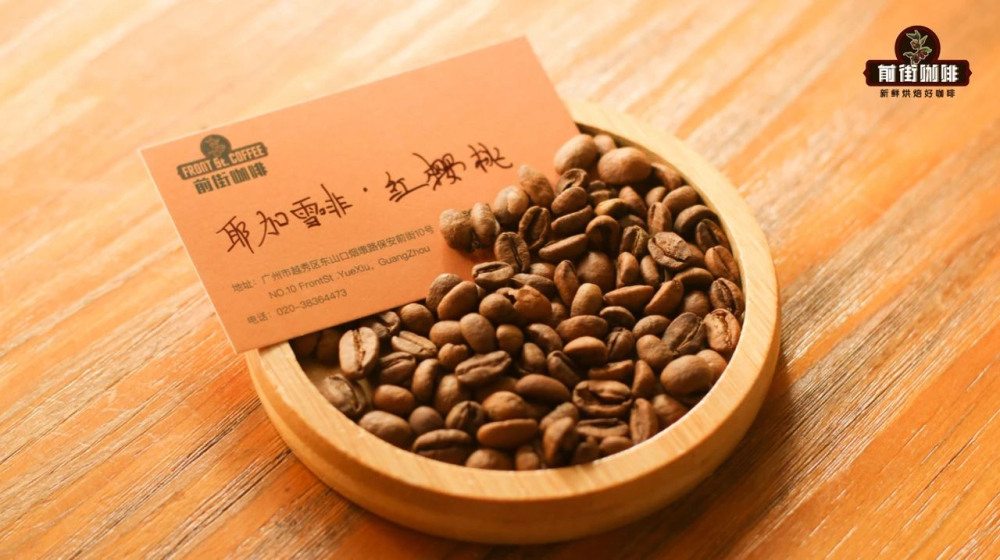
Now let’s look at the washed version, Guji Dingding G1. This bean also comes from Yirgacheffe but is produced by the Guji Dingding cooperative, at an altitude of about 2,000 to 2,100 meters. The washed method is used, a technique introduced to Ethiopia from South America aimed at enhancing the stability and cleanliness of coffee flavors.
During the washed processing, the coffee cherries are first sorted and cleaned to remove unripe or damaged beans. Then comes the fermentation step to remove the mucilage layer, followed by thorough rinsing with clean water, and finally drying on raised beds. Each step must be precisely controlled to ensure consistent quality in the final beans.
The washed processing of Guji Dingding G1 highlights the classic Yirgacheffe flavor profile: fresh jasmine and citrus notes, accompanied by soft berry aromas and a honey-like sweetness, resulting in a bright and tea-like mouthfeel. This bean is perfect for coffee enthusiasts who prefer crisp acidity and delicate aftertastes. It is recommended to brew using pour over, cold brew, or drip bags to fully showcase its layered flavor profile.
The advantage of the washed method is that it removes excess pulp impurities, resulting in a cleaner cup with brighter acidity. However, it may have slightly less sweetness and body compared to the natural process. Nevertheless, Guji Dingding G1, thanks to its high altitude and expert craftsmanship, still delivers an outstanding quality performance.
In summary, both the natural and washed versions of Yirgacheffe Red Cherry G1 have their own merits. The natural version excels with its rich fruitiness and full-bodied sweetness, making it ideal for those who enjoy natural flavors and bold profiles; the washed version focuses on brightness and subtle aftertastes, appealing more to those seeking clean acidity and tea-like characteristics. No matter which version you choose, it is recommended to adjust grind size and water temperature according to your personal taste preferences, and experiment with different brewing devices to find your optimal extraction method.
The above content is compiled by CoffeeHunters, a coffee news website.


