







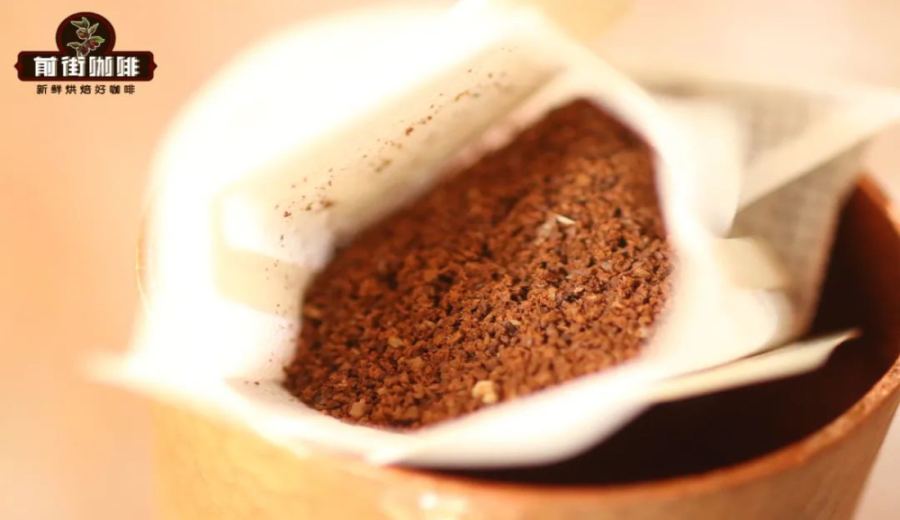
Introduction:Drip bags combine the flavor profile of pour over coffee with the convenience of instant brewing, making them ideal for coffee enthusiasts who value quality but have a busy lifestyle. This article delves into the origins and pros and cons of drip bags, and provides a detailed introduction to three popular single-origin coffee beans well-suited for drip bag brewing—including Indonesia’s PWN Golden Mandheling, Brazil’s Cerrado Red Fruit, and Yunnan Small Bean—helping readers find their perfect drip bag match based on personal taste preferences.
Drip bags can be considered the representative of black coffee that balances convenience and flavor in modern life. With just a kettle of hot water and a cup, you can enjoy a coffee experience close to that of pour over. This creative design originated in Japan and was first introduced in 1990 by Yamashita Sangyo Co., Ltd., drawing inspiration from traditional hanging tea bags. It uses non-woven fabric pouches to hold pre-ground coffee, paired with two "ear"-like designs on the sides that allow the coffee to steadily drip into the cup. After obtaining a patent in 2002, the drip bag format quickly gained global popularity.
Each drip bag pack contains a standard 10 grams of coffee grounds, and it is recommended to use water at approximately 90–93°C, poured at a moderate flow rate, extracting about 130–150 milliliters of coffee—perfect for single servings. This portion size and concentration make it easy to brew quickly whether at the office, at home, or during outdoor breaks, eliminating the hassle of preparing complicated equipment.
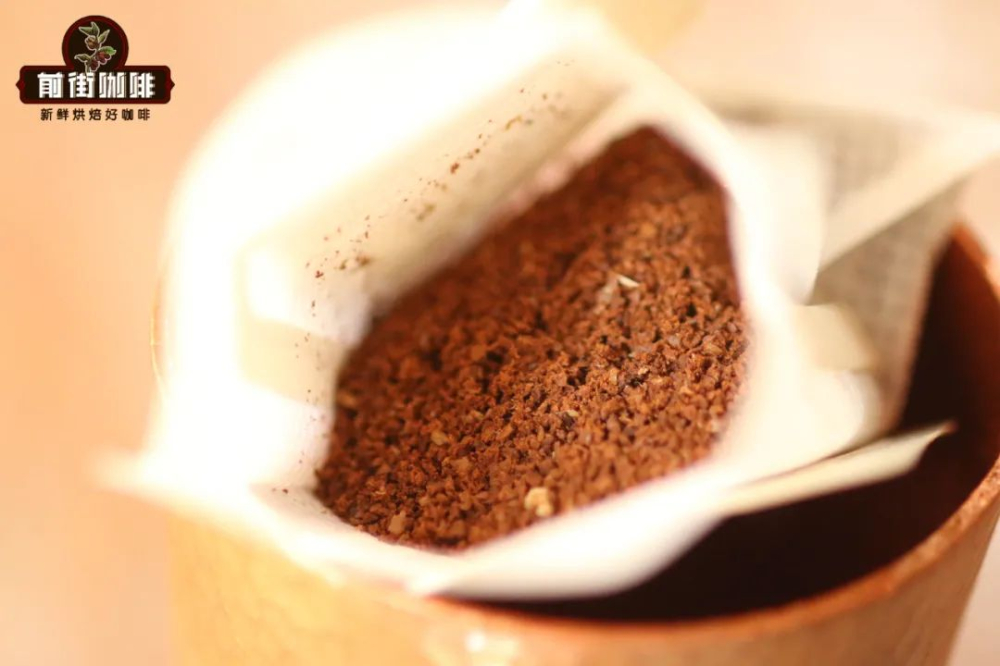
The original intention behind drip bags was to emulate the flavor performance of pour over drip brewing, but in a more simplified form. By encapsulating pre-ground coffee in filter bags, users only need to pour hot water, wait for extraction to complete, then remove the filter bag to enjoy a pure cup of black coffee. Milk or sugar can also be added according to personal preference. With the rise of the specialty coffee trend, the market offers an increasingly diverse range of drip bag options, covering beans from various regions and processed using different methods to cater to everyone from beginners to advanced enthusiasts.
The greatest advantages of drip bags lie in their convenience and consistency. There’s no need for specialized pour over equipment, nor precise calculations of pouring time or technique—just control the water temperature and coffee-to-water ratio to achieve relatively consistent extraction results. However, compared to pour over, drip bags involve pre-ground coffee, which leads to faster aroma dissipation. Improper storage may result in woody or stale flavors after several months. Therefore, it’s recommended to consume them soon after purchase, ideally within a month, to enjoy optimal flavor.
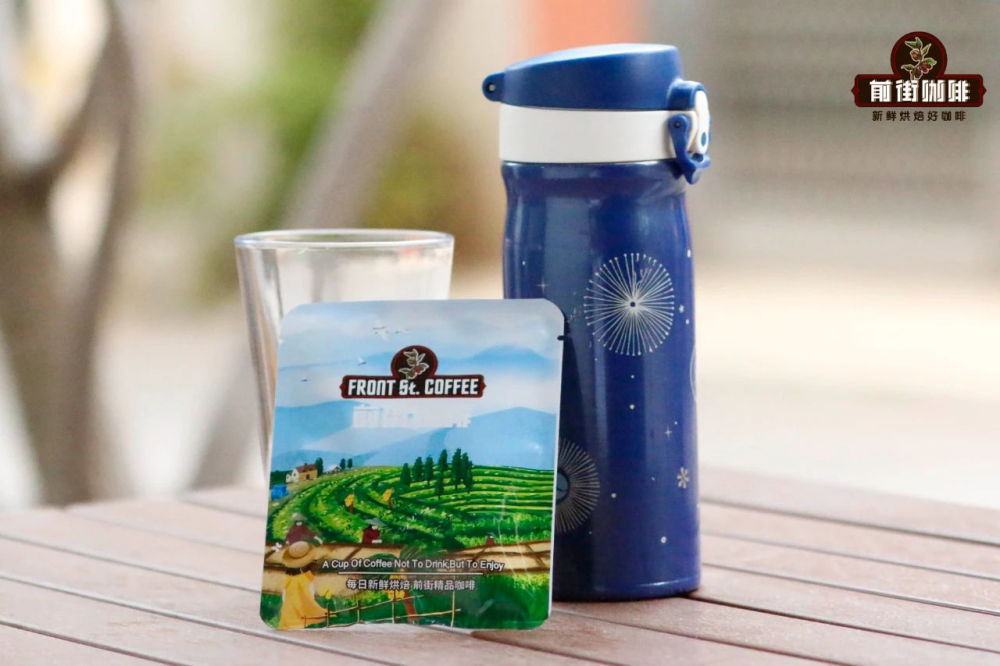
For different taste preferences, there are many single-origin coffee beans on the market well-suited for drip bag brewing. Below are three popular drip coffee beans with distinct flavor profiles, ideal for coffee lovers wishing to explore a variety of tastes:
PWN Golden Mandheling Drip Bag Coffee Beans
Mandheling coffee has gradually gained attention in the Asian market in recent years, especially cherished for its rich and full-bodied character by consumers in Taiwan and Shanghai. The PWN Golden Mandheling used here comes from PWN, a renowned green bean supplier in Sumatra, Indonesia—this company was the first to collaborate with Japan in promoting the name “Golden Mandheling,” and registered it as a trademark. These beans undergo three rounds of manual selection, ensuring uniform bean size and even heat distribution during roasting, resulting in a clean cup with minimal off-flavors. The flavor profile resembles the robust and mellow taste of traditional Guangdong herbal tea, making it suitable for those who prefer a full body and low acidity.
Brazil Cerrado Red Fruit Drip Bag Coffee Beans
As the world’s largest coffee-producing country, Brazil’s coffee bean history dates back to the early 18th century. Legend has it that a Portuguese officer successfully persuaded the wife of the Governor of Guyana to introduce coffee seeds from French Guiana to Brazil, eventually allowing coffee to take root and rapidly spread across the nation. By 1845, Brazil accounted for 45% of global coffee production. The Cerrado region is known for its stable output and balanced flavor profile. The Brazil Cerrado Red Fruit drip bag features pronounced notes of nuts and chocolate, making it ideal for those who enjoy smooth, mellow, and low-acid cups.
Yunnan Small Bean Drip Bag Coffee Beans
This region mainly cultivates Typica and Catimor varieties, and because the coffee cherries are small, they are commonly referred to as “small bean coffee.” Among them, Catimor is a hybrid developed by Portuguese breeders crossing Timor and Caturra. While it offers disease resistance and high yield, Timor belongs to the Robusta family, resulting in a relatively simple overall flavor with more noticeable bitterness. The Yunnan Small Bean is processed using the washed method, presenting a soft tea-like quality with melon and fruit aromas, rounded acidity, and a clear sweetness with a lasting caramel aftertaste in the finish—suitable for coffee lovers who prefer fruity flavor profiles.
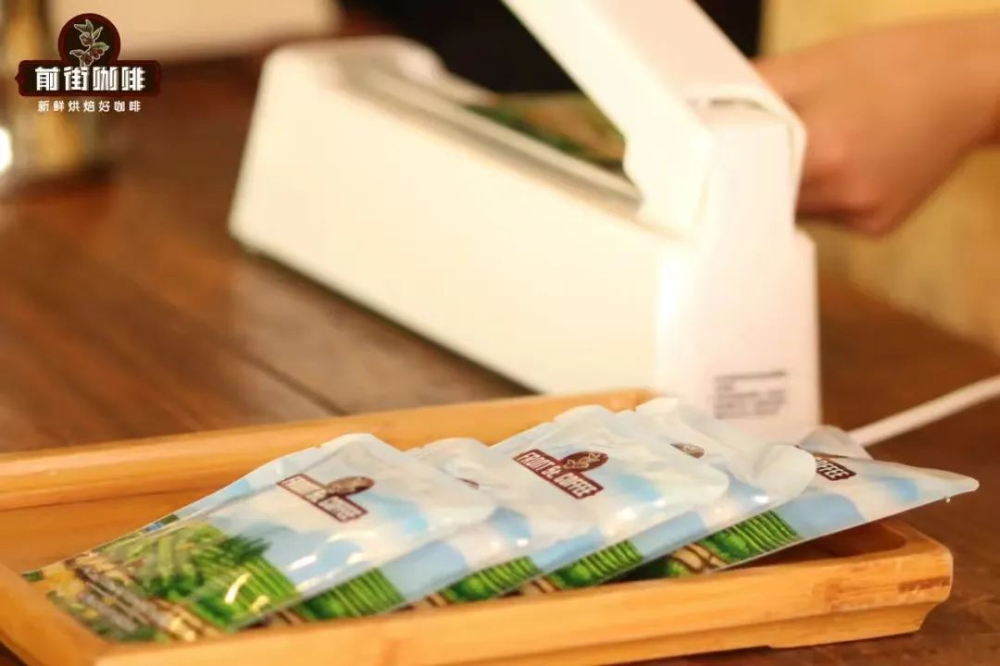
The above content is compiled by CoffeeHunters, a coffee news website.


