








Introduction:The Hua Kui Natural G1 is a renowned naturally processed coffee bean from Ethiopia, celebrated for its intense fruity aroma and rich body. It has garnered widespread acclaim both in home brewing and professional settings. This article delves into its performance as a single-origin espresso (SOE) across various espresso-based drinks—including espresso, Americano, and latte—highlighting flavor differences and offering practical extraction tips and home brewing techniques to help readers achieve their ideal taste profile.
The Hua Kui Natural G1 originates from the Buku Abel processing station in Ethiopia’s Guji-Hambela region. This coffee is famed for its rich berry notes and smooth creamy texture, having won the championship in the Natural category at TOH (Taste of Harvest), a prestigious green coffee competition. The winning beans were later introduced to the Chinese market and quickly gained popularity among coffee enthusiasts due to their outstanding cupping performance and accessible pricing. It was then named “Hua Kui,” symbolizing its standout quality among numerous coffees.
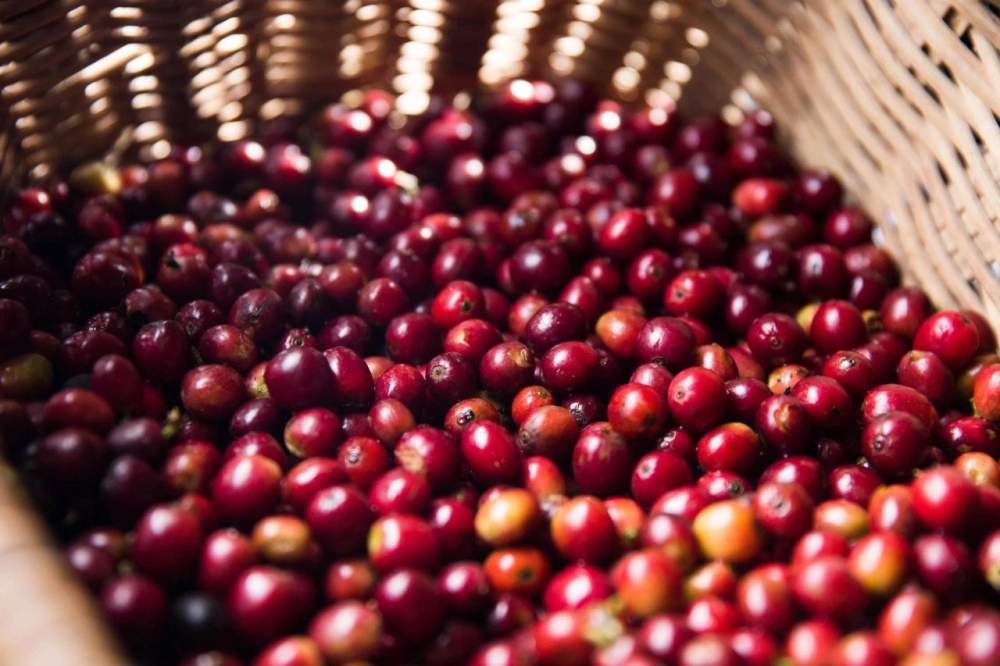
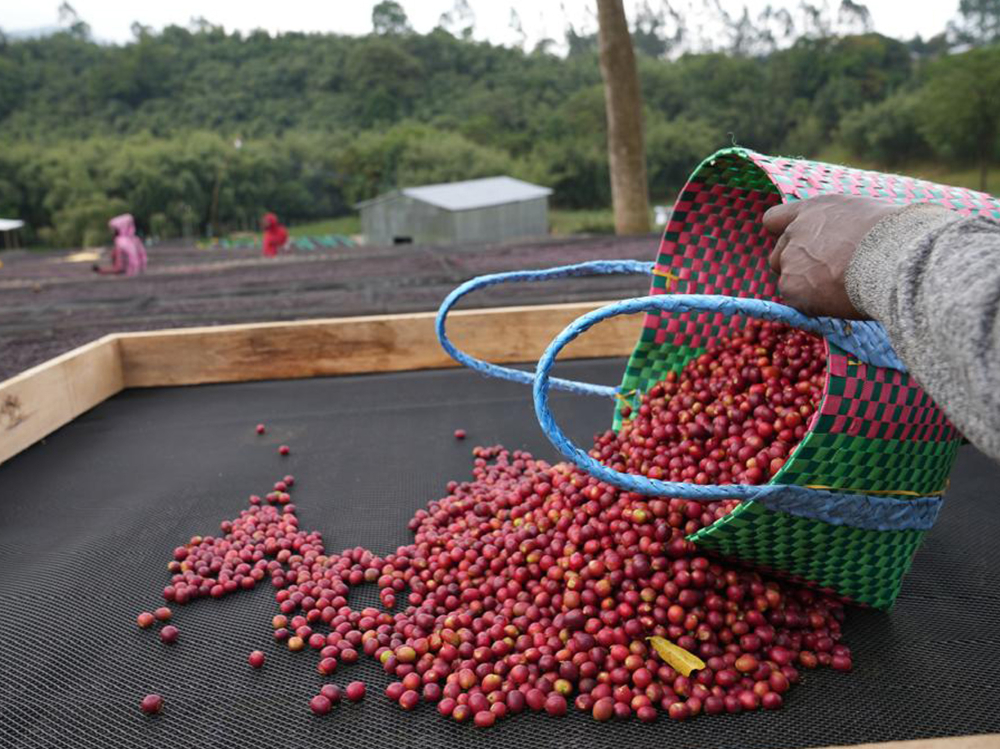
These beans are processed using the traditional natural method, where coffee cherries are carefully dried on raised beds for up to 21 days. During this period, they are frequently turned to ensure even drying, and defective or moldy beans are manually removed. This meticulous process not only reduces defect rates but also enhances the Hua Kui’s complex fruitiness and vibrant acidity. As a G1-grade coffee—the highest quality classification for natural-processed beans—its green beans have fewer than 3 defects per 300 grams, ensuring consistent quality and clear flavor expression.

The Hua Kui Natural released by one brand is medium roasted, designed to balance fruity aroma with body. It is suitable for use in espresso machines, moka pots, as well as home semi-automatic coffee machines. For those who prefer a brighter acidity and more floral-fruity notes, a medium-light roast version is also available, which is better suited for pour over, cold brew, or drip bag brewing methods. Regardless of the roast level, each showcases the unique terroir characteristics of its Ethiopian origin.
Many beginner or enthusiast coffee drinkers often hear about “Hua Kui SOE”—that is, using Hua Kui as a single-origin bean to make espresso and further craft various specialty coffee drinks. So, how can you recreate the distinct flavors of espresso, Americano, and latte at home using Hua Kui SOE? The key lies in mastering and fine-tuning extraction parameters.
First, it is recommended to use freshly roasted Hua Kui SOE beans, ideally within 20–21 days of roasting to ensure optimal flavor. When extracting espresso, follow the standard “1:2 coffee-to-water ratio,” such as using 20 grams of coffee grounds to yield 40 grams of espresso, with an extraction time controlled between 25 and 35 seconds. If using 18 grams of coffee, aim for a 36-gram yield. Adjust grind size according to flow rate: if the flow is too fast (extraction time under 25 seconds), make the grind finer; if it starts flowing around 30 seconds, the grind size is likely just right.
After pulling the shot, minor adjustments can be made based on the final beverage type. If the espresso crema appears thin or the aroma is lacking, try adding 0.3 to 0.5 grams more coffee to enhance aroma intensity and flavor layers. For example, in practical operations by one brand, a parameter of 20.5 grams of coffee with a 31-second extraction yielding 40 grams of liquid is sometimes used to produce a more concentrated base.
The resulting Hua Kui SOE Americano typically exhibits a refreshing sweet-sour profile, with pronounced notes of berries and citrus, and even a hint of dried mango sweetness in the aftertaste—making it highly appealing to those who enjoy bright fruit flavors. When hot water is added to make an Americano, the acidity becomes even crisper, perfect for early mornings or when you need a pick-me-up.
As for the Hua Kui SOE Latte, the addition of milk softens the coffee’s acidity and accentuates red fruit aromas such as strawberry, resulting in a smoother and rounder mouthfeel. It is ideal for consumers who prefer a balanced flavor without intense bitterness, enjoying the harmony between milk and coffee. It is recommended to steam about 150–200ml of milk and combine it with 40–50ml of espresso to create a latte with rich flavor layers and a delicate foam texture.
In summary, the Hua Kui Natural G1 as an SOE not only won awards in competitions but also demonstrates exceptional adaptability and expressive flavor in real-world brewing. Whether you’re pursuing the intense fruitiness of espresso, the refreshing sweet acidity of an Americano, or the silky smoothness of a latte, mastering the right extraction parameters and adjustment techniques will allow you to easily replicate a professional-level coffee experience at home. Remember to choose high-quality, freshly roasted Hua Kui SOE beans and fine-tune grind size and ratios to your taste—enjoy your own moment with coffee.
The above content is compiled by CoffeeHunters, a coffee news website.


