







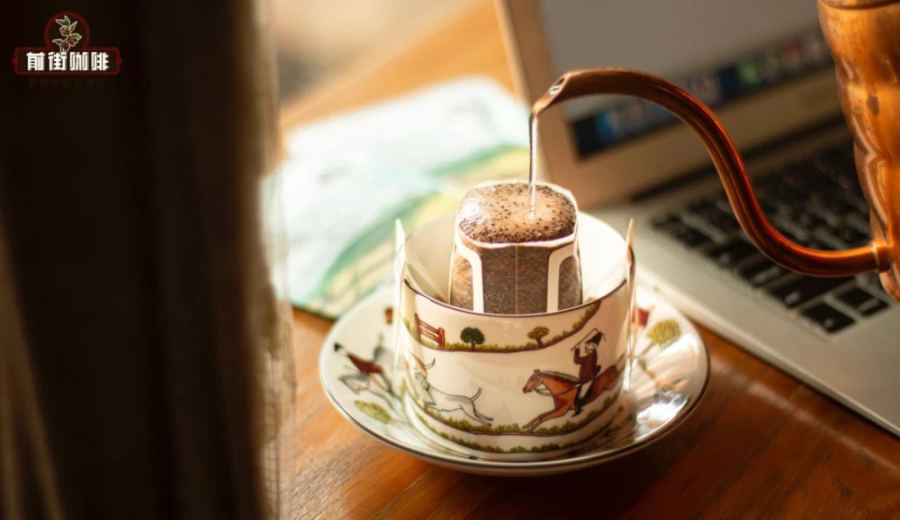
Introduction:Drip bags combine convenience with flavor, allowing you to enjoy a pour over-level experience without complicated equipment. This article delves into the pros and cons of drip bags, offers purchasing recommendations tailored to different taste preferences, and provides detailed steps and key techniques for both hot brewing and cold drip methods—so you can easily brew layered, flavorful coffee at home.
Because drip bags don’t require professional pour over tools or precise calculations of pouring time and ratios, all you need is hot water and the recommended coffee-to-water ratio to quickly enjoy a cup of coffee. This has made them a daily favorite for many coffee enthusiasts. However, compared to manual brewing, the flexibility of drip bags often makes it harder to bring out complex flavor layers. Moreover, since the coffee grounds are pre-ground and packed in filter bags, they are exposed to air for longer periods, so the aroma is usually not as intense as that of freshly ground coffee. Additionally, if stored for too long, they may develop off-flavors reminiscent of woodiness.
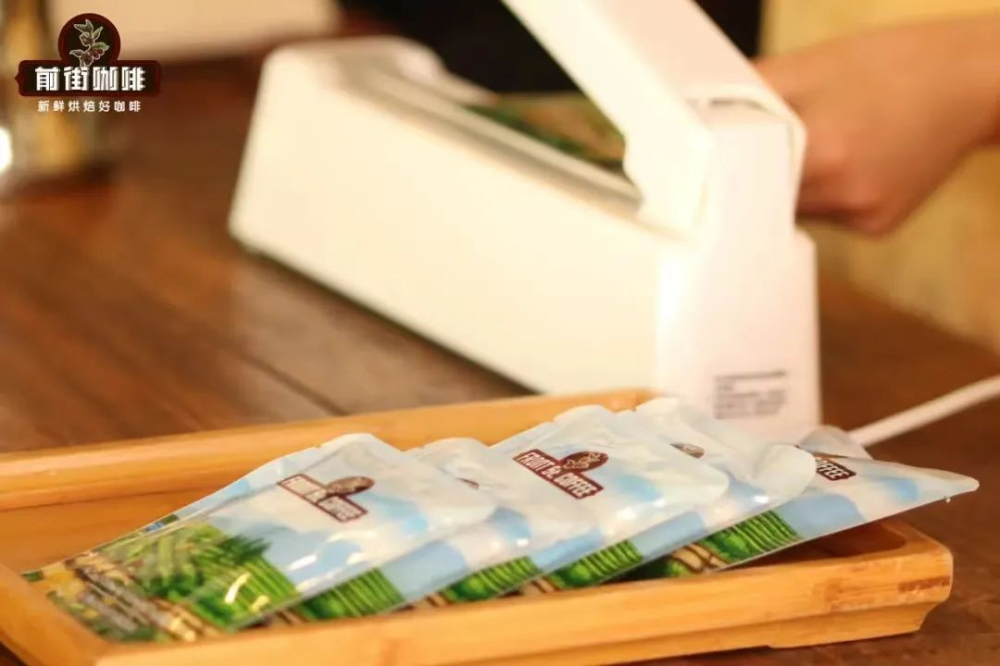
To preserve the original flavors of the coffee beans as much as possible, some brands opt to use freshly roasted beans and grind them just before packaging. For example, certain drip bag products are ground and sealed within just 4 to 5 days after roasting, ensuring consumers receive them at their peak freshness. It’s recommended to consume them soon after opening to avoid aroma loss over time. If you’re seeking richer layers and more nuanced flavors, consider purchasing whole beans and grinding them yourself for brewing.
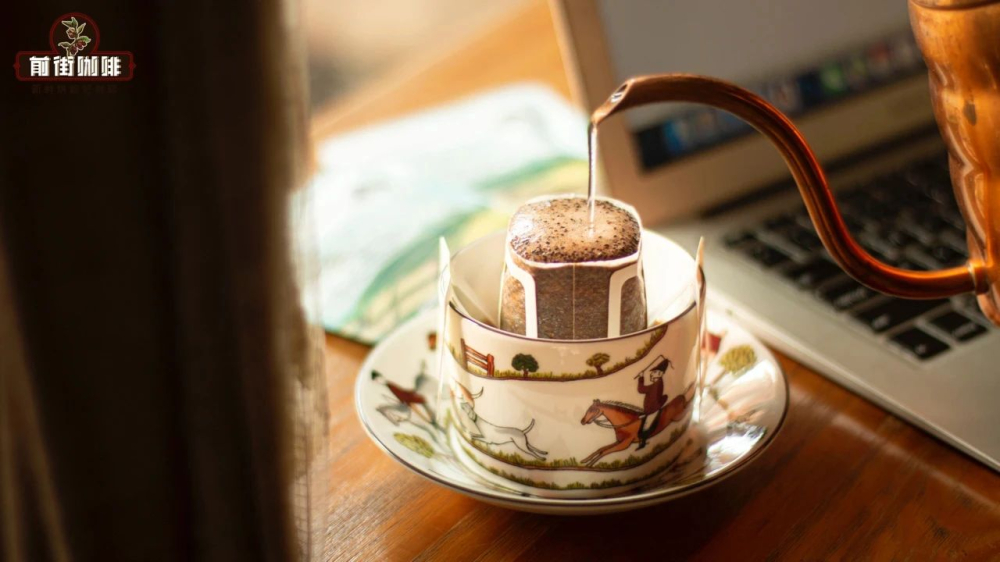
The biggest appeal of drip bags lies in their simplicity—you don’t need complicated equipment, nor do you have to fuss over pouring techniques, timing, or coffee-to-water ratios. With just enough hot water and the right proportion, anyone can get started easily. This is also the most significant advantage drip bags have over other brewing methods.
However, precisely because of the low barrier to entry and high flexibility, drip bags generally cannot match the delicate and diverse flavor layers achievable with manual pour over. Furthermore, since the coffee grounds are pre-ground and packaged, their aroma freshness is often slightly inferior. If stored for a long time, the aroma may gradually fade, and even develop an unpleasant woody tone.
To lock in the original aroma and flavors of the coffee, some brands use freshly roasted beans and grind them just before packaging. For instance, certain products go from roasting completion to drip bag production in just a few days, ensuring consumers can still experience the beans’ freshness upon receipt. It’s advised to finish the drip bags shortly after receiving them to enjoy the best flavor experience. If you want to deeply explore the multi-layered and complex aspects of coffee, it’s recommended to choose freshly ground beans and brew them yourself.
Choosing a drip bag that suits your personal taste is the first step to enjoying delicious coffee. Below are several common and popular flavor profiles of drip bags for readers’ reference when purchasing: Those who enjoy floral notes can consider drip bags with prominent floral characteristics; those who prefer bright acidity and fruity flavors might opt for varieties with black tea and berry notes; for those wanting balanced flavors, neither too acidic nor overly bitter, neutral Brazilian bean drip bags are a great choice; and for drinkers seeking rich, bold, and full-bodied profiles, drip bags made from top-grade beans with multiple screenings and low defect rates are recommended—these products often showcase clearer aromas and elegant aftertastes.
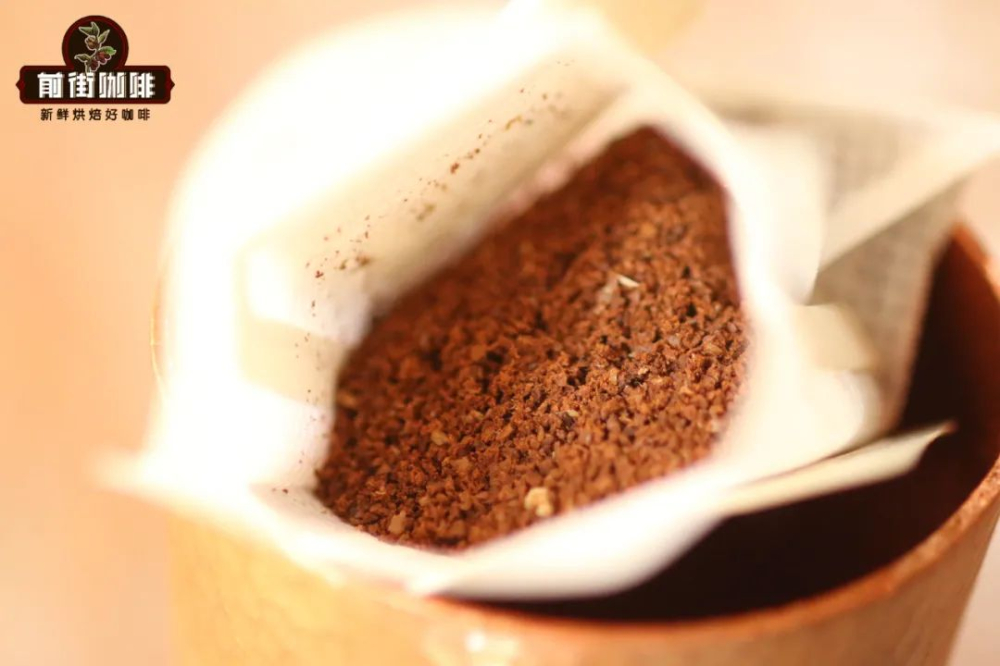
Brewing drip bag coffee is actually very simple. First, boil some water and prepare a cup or a sharing pitcher that can hold the coffee. Then, carefully tear open the drip bag package, cut along the dotted line to open the non-woven filter pouch, and pull the two “ears” on either side outward to securely hang the entire drip bag on the rim of the cup or the mouth of the pitcher.
Step one: pour a small amount of hot water—just enough to fully saturate the coffee grounds—and let it bloom for about 10 to 20 seconds. This step helps release carbon dioxide from the coffee grounds, contributing to a more stable and flavorful extraction later on. Step two: switch to a steady stream of fine water flow, pouring until the liquid level nears the rim of the cup, then wait for the coffee to slowly drip through until the liquid level drops. Step three: pour again until the cup is full, with a total water volume of around 150 grams recommended. Once all the coffee has completely dripped through, the brewing process is complete.
Making iced coffee with a drip bag is equally simple—all you need are ice cubes, a coffee cup, hot water, and a drip bag. Using a digital scale can enhance precision.
First, place 50 to 80 grams of ice cubes in the cup. Then, open the drip bag package, tear along the “open” label, unfold the drip bag, and securely hang it on the rim of the cup. It’s recommended to keep the water temperature around 93°C. If you don’t have a thermometer, you can let boiled water sit with the lid slightly off for about 2 minutes—the temperature will typically drop to between 90 and 94°C.
Next, pour hot water into the drip bag in three separate rounds, each time filling it to about two-thirds of the height of the filter pouch. This ensures the coffee grounds remain continuously immersed in hot water. After each pour, wait for the water to completely drip through before proceeding to the next round. Once all the coffee has dripped through, remove and discard the drip bag. Finally, stir the coffee and ice cubes thoroughly to help evenly lower the temperature and achieve a more balanced, refreshing overall flavor.
The above content is compiled by CoffeeHunters, a coffee news website.


