







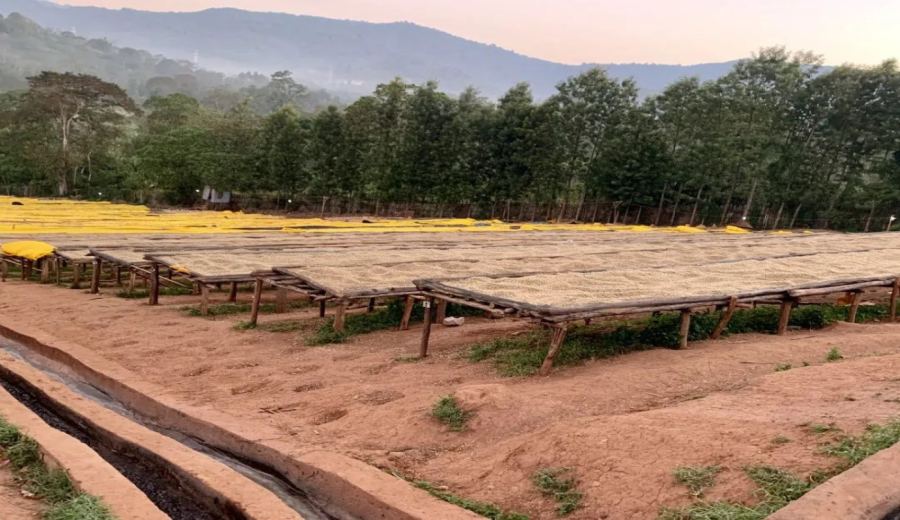
Introduction:Yirgacheffe is renowned for its bright acidity and refreshing floral and fruity aromas, making it a popular starting point for many beginners entering the world of specialty coffee. But do you know how this tea-like, unique flavor profile is shaped step by step—from origin and processing methods to roasting and extraction? This article takes an in-depth look at Yirgacheffe’s geographical environment, washed processing techniques, grading system, and offers practical pour over parameters and flavor profiles to help you fully understand the charm behind this classic origin.
Yirgacheffe (Yirgacheffe) is a well-known town in southern Ethiopia. Originally part of the Sidamo region, it later became an independent and highly regarded coffee-producing area due to the development of washed processing techniques and the formation of its distinctive flavor. The coffee produced here is celebrated for its bright citrus acidity, delicate white floral notes, and honey-like sweetness. Its flavor profile resembles that of a floral fruit tea, which is quite different from the traditional image of dark-roasted, bitter coffee—making it a must-try entry-level option for many coffee enthusiasts.
Geographical Environment and Regional Background
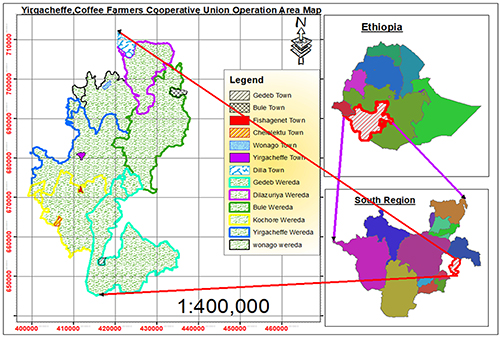
Yirgacheffe town is located in Ethiopia’s Gedeo Zone, downstream of the Great Lakes region, surrounded by abundant water sources with plentiful springs and rivers, providing an excellent foundation for local washed processing. Interestingly, the name "Yirgacheffe" comes from ancient Ethiopian languages, combining "Yərga" (meaning calm or peaceful) and "Č̣äfe" (referring to a swamp or wetland), together meaning "let us settle on this wetland." This highlights the deep connection between its geographical environment and coffee cultivation.
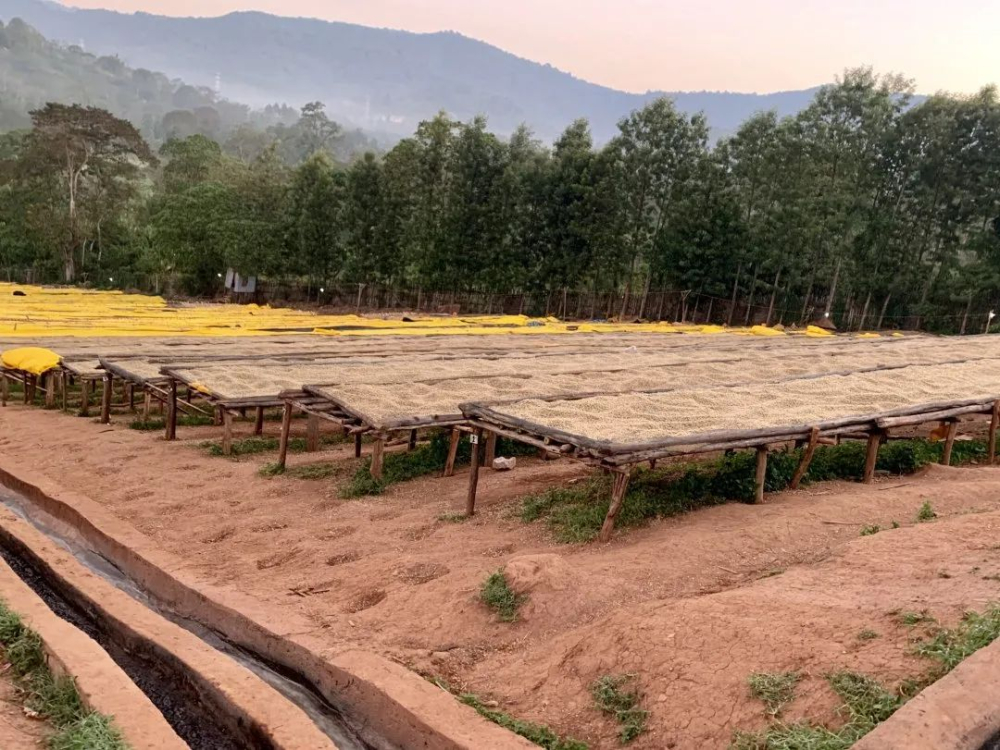
Washed Processing Creates Unique Flavors
The reason Yirgacheffe coffee exhibits bright acidity and floral-fruity aromas lies largely in its widely usedwashed processing method. Washed processing effectively removes the pulp and mucilage, minimizing impurities and allowing the coffee’s inherent flavors to become clearer and purer. During the washing process, coffee beans go through meticulous steps such as fermentation, washing, and drying, which help highlight its bright citrus acidity, elegant floral notes, and the honey-like sweetness in the aftertaste—delivering an overall impression as pleasant as a fresh fruit tea.
Impact of Farmer Cooperatives and Grading Systems
A significant portion of Yirgacheffe’s coffee production is organized by the localYirgacheffe Coffee Farmers Cooperative Union (YCFCU), established in 2002. It includes 28 cooperative members and 44 processing stations, serving over 45,000 farmers. The purpose of this union is to enhance smallholder farmers’ bargaining power and economic independence through organized management and connections to international markets, enabling them to continuously produce high-quality coffee.
In Ethiopia, the coffee grading system used to be based solely on the number of defective beans, categorized from Grade 1 to Grade 5, where Grade 1 has 3 or fewer defects and is the highest grade. However, since the establishment of the Ethiopian Commodity Exchange (ECX), the grading method has shifted to a scoring system that combinesphysical characteristics (40%) and cupping quality (60%), offering a more comprehensive reflection of the coffee’s actual flavor performance.
Specifically, the scoring criteria for washed beans include physical traits such as defect count, appearance size, color, and aroma, as well as cupping indicators like cleanliness, acidity, mouthfeel, and flavor characteristics. As a result, even if Ethiopian coffee beans vary in size, those with excellent cupping results can still be classified as high-quality Grade 1—the same top tier often associated with premium Yirgacheffe found in the market.
Flavor Profile of Yirgacheffe: Citrus, Floral, and Tea-like Notes
Typical Yirgacheffe coffee often carries subtle jasmine or ginger lily aromas in its dry scent. Upon tasting, it reveals a pleasant citrus and lemon acidity, with a vibrant and bright acidity level, a medium-to-light body, and an aftertaste often accompanied by honey or cane sugar sweetness, along with a hint of oolong tea-like finish. The overall flavor is as enchanting as a refreshing fruit tea, with distinct layers and a long-lasting finish.
It’s worth noting that in addition to Yirgacheffe town itself, neighboring areas such as Wenago, Gelena Abaya, and Kochere also produce coffee with similar flavor characteristics, which are often grouped under the "Yirgacheffe flavor profile" and enjoy equally high acclaim in the market.
Practical Pour Over Parameters and Brewing Tips
To fully experience the unique flavors of Yirgacheffe, appropriate pour over parameters are essential. Below are the recommended brewing details for a washed Yirgacheffe lot from the Gutedu Cooperative:
Brewing Device: V60 dripper
Water Temperature: 91°C
Coffee-to-Water Ratio: 1:15
Coffee Dose: 15 grams
Grind Size: Medium-fine, approximately equivalent to 80% extraction through a Chinese Standard No. 20 sieve (fine sugar level)
Brewing Steps:
1. Start with a 30-gram bloom for about 30 seconds.
2. Then pour water in small circular motions; perform the first pour when the total water volume reaches 125 grams.
3. When the water level drops and is about to expose the coffee bed, continue pouring until the total reaches 225 grams, then stop.
4. Finally, wait until the water level drops again and is about to expose the coffee bed before removing the dripper. Total brew time is approximately 2 minutes.
Flavor Profile: The dry aroma features soft jasmine and ginger lily notes. The cup opens with gentle citrus acidity, and as it cools, the acidity becomes more pronounced with lemon and plum tones. Sweetness is clear, and the aftertaste leaves a refreshing oolong tea-like finish. Overall, it presents a vibrant, juice-tea-like flavor with distinct layers and complexity.
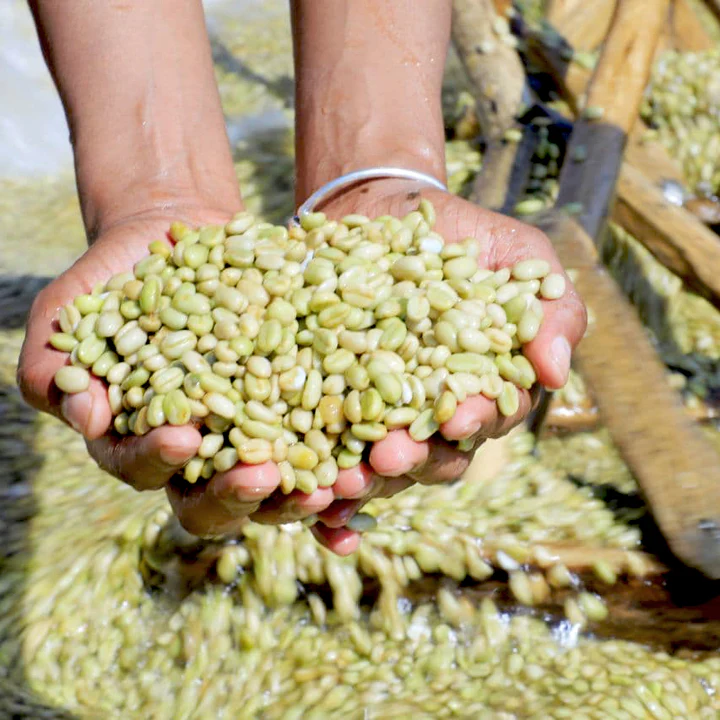
In summary, Yirgacheffe’s status as a classic representative in the specialty coffee world is the result of a combination of geographical environment, processing techniques, grading systems, and careful brewing. Whether you’re a beginner or a coffee enthusiast seeking inspiration, understanding the flavor logic of Yirgacheffe can bring you deeper enjoyment with every sip.
The above content is compiled by CoffeeHunters, a coffee news website.


