







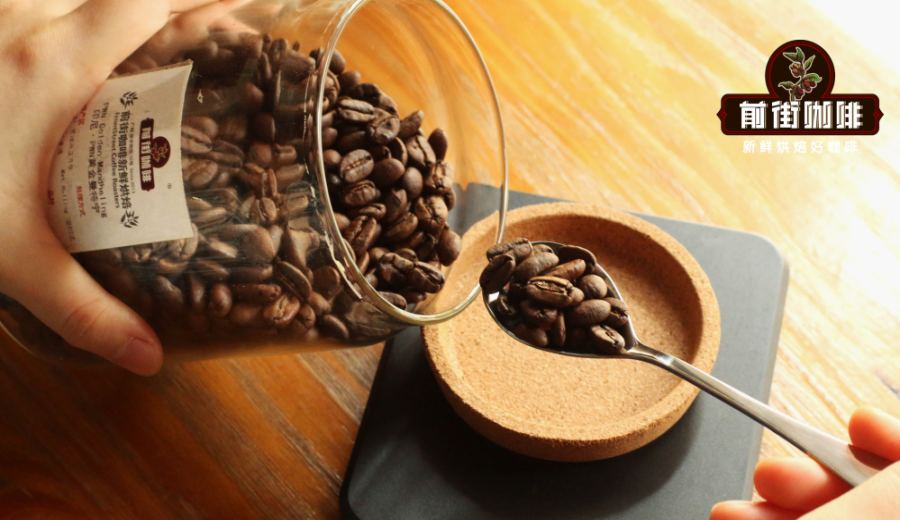
Introduction:To savor the best flavors of coffee, start with proper storage of coffee beans. This article delves into the three major enemies that affect coffee bean freshness: light, heat, moisture, and oxygen, and provides professional storage advice for both green and roasted beans — including the correct use of one-way valve packaging and vacuum-sealed containers. It also clarifies the difference between the best-by period and shelf life, debunks the refrigerator myth, and teaches you how to make the most of expired coffee beans so that every bean delivers its full value.
The flavor profile of coffee beans is inseparable from their freshness, and the storage method is the key factor determining it. From a professional perspective, this article details the different storage needs of green and roasted beans, explores in depth how light, high temperatures, moisture, and oxygen impact coffee bean quality, and offers practical preservation solutions such as the use of packaging bags with one-way valves and vacuum-sealed jars. Additionally, it addresses common questions among coffee enthusiasts, including how long coffee beans can be stored, the difference between the best-by period and shelf life, why refrigeration is not recommended, and suggestions for reusing expired coffee beans.
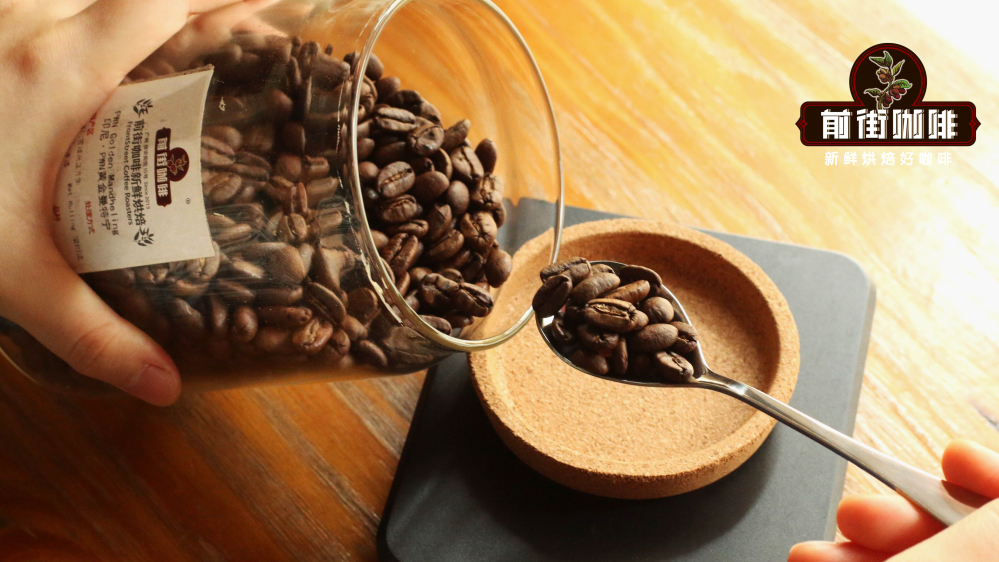
First, coffee beans can be divided into two main categories based on roast level: green beans and roasted beans, each with distinct storage priorities. Green beans have not yet been roasted, so during storage the primary focus is on preventing mold and insect infestation. Controlling environmental humidity and temperature is therefore the top priority. In contrast, roasted beans have already completed the roasting process. While temperature and humidity remain important, the biggest challenge is oxidation. Once exposed to air, the aromatic compounds in coffee beans rapidly dissipate, leading to a noticeable decline in flavor.
So, how can we effectively maintain the flavor of roasted coffee beans? First, we must understand the main “freshness killers.” The first is light and high temperature. Especially direct sunlight, which accelerates the evaporation of aromatic compounds inside the coffee beans. Even if the inner layer of the packaging uses aluminum foil material that reflects some light, its ability to block heat is limited. Therefore, storage should be kept away from heat sources and sunny spots near windows.
The second is moisture. Even if coffee beans are stored in a sealed container, if the surrounding environment is humid, once the package is opened, moisture can easily seep in, causing the beans to absorb moisture, which may then produce musty or off-flavors that seriously affect the taste after brewing. Therefore, it’s recommended to place coffee beans in a dry and ventilated area, avoiding proximity to sinks, washing machines, or other areas with higher moisture levels.
The third is oxygen. Although oxygen is everywhere, by reducing the time coffee beans are exposed to air, the rate of oxidation can be effectively slowed down. After each use, the packaging or container should be resealed immediately to minimize the chance of oxygen entering.
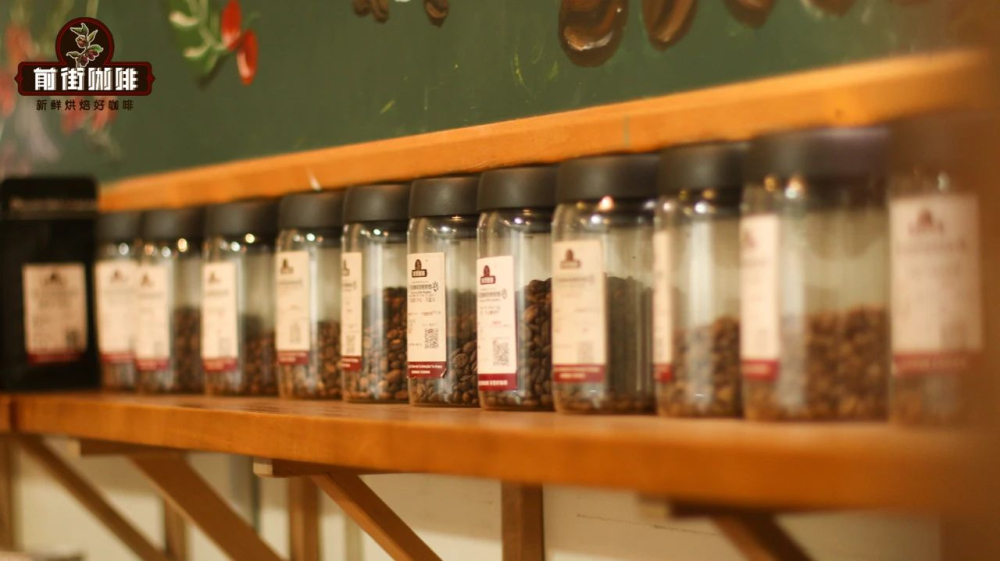
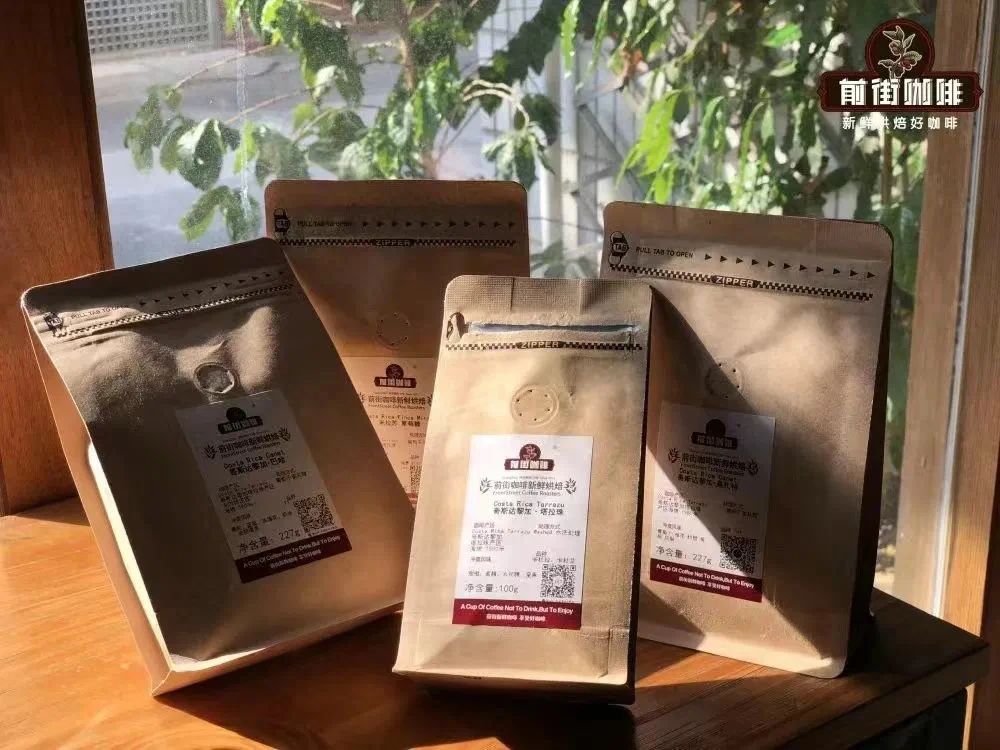
With an understanding of these influencing factors, the next step is to choose the right storage tools. One of the most common and convenient methods is using sealed packaging bags with one-way valves. The characteristic of this type of packaging is that when the carbon dioxide released by the coffee beans increases internal pressure, the gas can escape through the one-way valve, but external air and moisture cannot enter in reverse, helping to keep the beans dry and preserve their flavor. If no other containers are available, the original factory packaging is a good choice, as long as the seal is tight.
Another more advanced storage method is using a vacuum-sealed jar. These containers usually come with an air-release button that allows the air inside the jar to be extracted after the lid is closed, creating a low-oxygen or even near-vacuum environment. Due to the lack of oxygen and lower internal pressure, this can significantly slow down the decline in coffee bean flavor. However, it’s worth noting that since coffee beans still release carbon dioxide in a sealed environment, if the jar cannot regulate pressure, it may affect the sealing effectiveness.
So, how long can coffee beans actually be stored? Generally speaking, the so-called “freshness” refers to the coffee bean’s best-by period — the stage when its flavor performance is at its peak. For most coffee beans, the best-by period is between the fourth day and the thirtieth day after roasting. During this period, the aroma, acidity, and sweetness of the coffee are usually at their best. After thirty days, although it is still drinkable, the flavor may gradually become more bland and the aroma weaker. As for shelf life, if flavor is not a priority, roasted beans can generally last up to three hundred and sixty-five days.
One common misconception is storing coffee beans in the refrigerator, which is actually not recommended. Because when coffee beans are taken out from a cold refrigerated environment and exposed to room temperature, condensation can easily form on the surface due to the temperature difference, causing the beans to become damp. This not only affects the uniformity of grinding, making coffee powder more prone to clumping, but may also allow moisture to seep into the grinder, which over time can impair machine performance and coffee flavor.
Finally, it’s recommended that coffee enthusiasts adopt a “buy small, consume often” strategy — finish one pack before buying the next — to ensure that each brew delivers the beans at their best. And for coffee beans that have lost their flavor, don’t rush to throw them away. You can grind them into coarse particles and place them in the refrigerator or pet activity areas as a natural deodorizer, allowing every bean to deliver its final bit of value.
The above content is compiled by CoffeeHunters, a coffee news website.


