







Introduction:Why does a newly purchased bag of coffee beans puff up? This is actually a natural phenomenon caused by the release of carbon dioxide after roasting. Understanding the resting (养豆) process and the key factors that influence flavor development can help you identify the optimal brewing window. This article delves into the degassing mechanism of coffee beans, the relationship between resting time and roast level, and offers practical tips to help you use your senses to determine the best drinking time, thereby enhancing the overall performance of your pour over coffee.
A newly bought bag of coffee beans is often puffed up, which raises questions for many novice brewers: is it a quality issue or a normal occurrence? In fact, this phenomenon is closely related to the "resting" process after roasting. Resting refers to allowing the coffee beans to naturally release the carbon dioxide produced during roasting in a sealed environment, and this stage is crucial for the final flavor presentation.
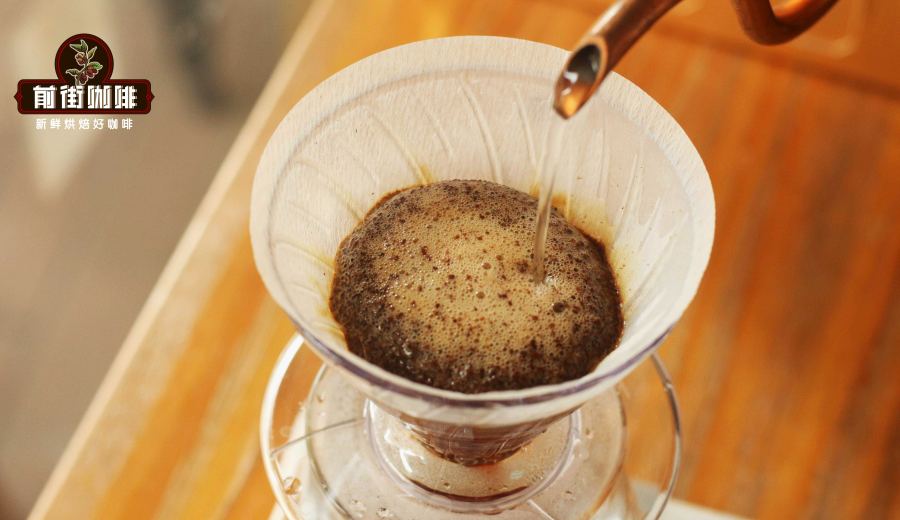
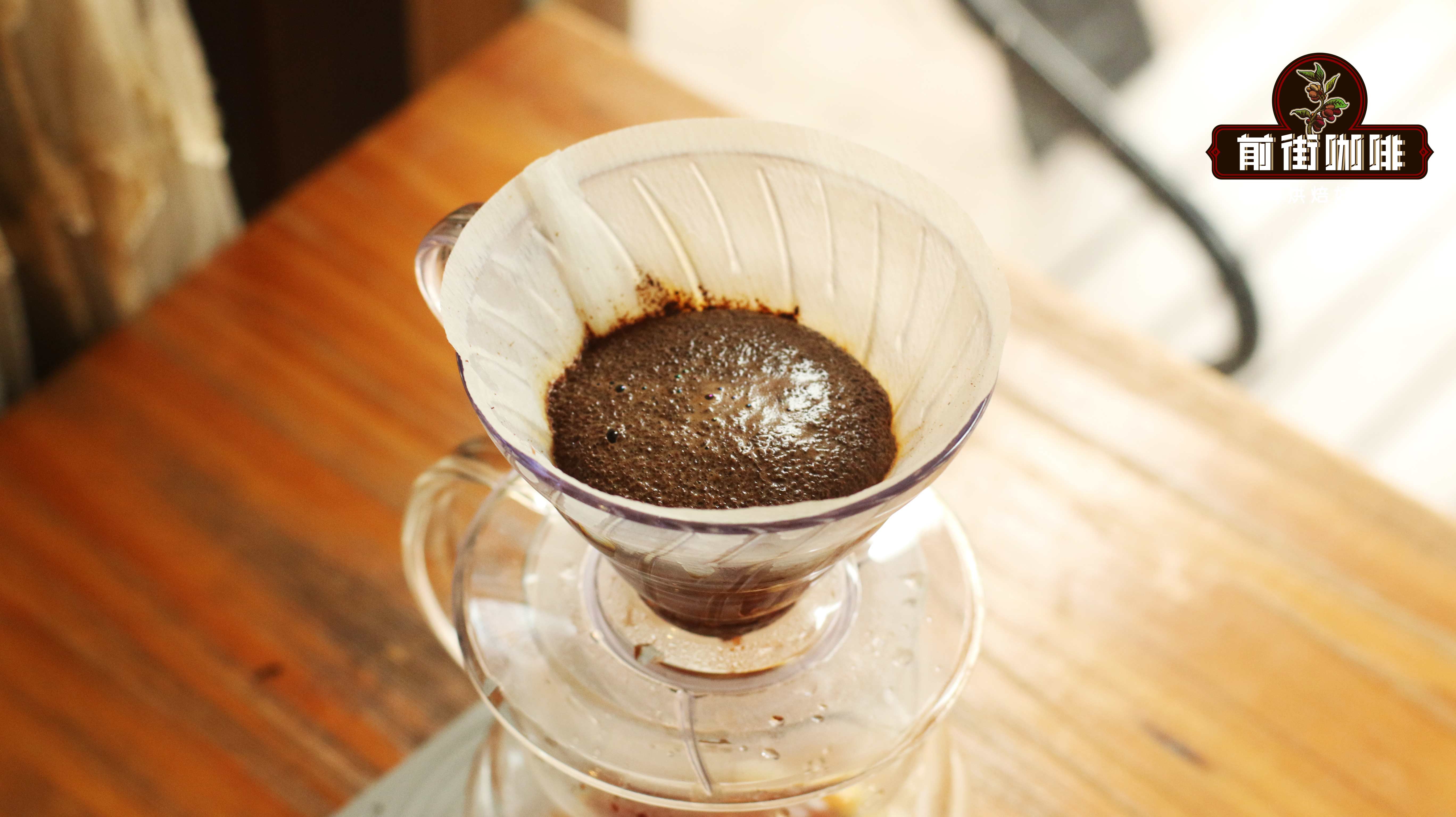
When you first expose coffee grounds to water, you often see the grounds rapidly expand—this is a visual indication of carbon dioxide being released. Without proper resting, a large amount of gas is released chaotically during the blooming phase, which not only affects extraction uniformity but may also lead to incomplete flavor development. Especially in the pour over process, the stability of this step directly impacts the overall balance of the cup.
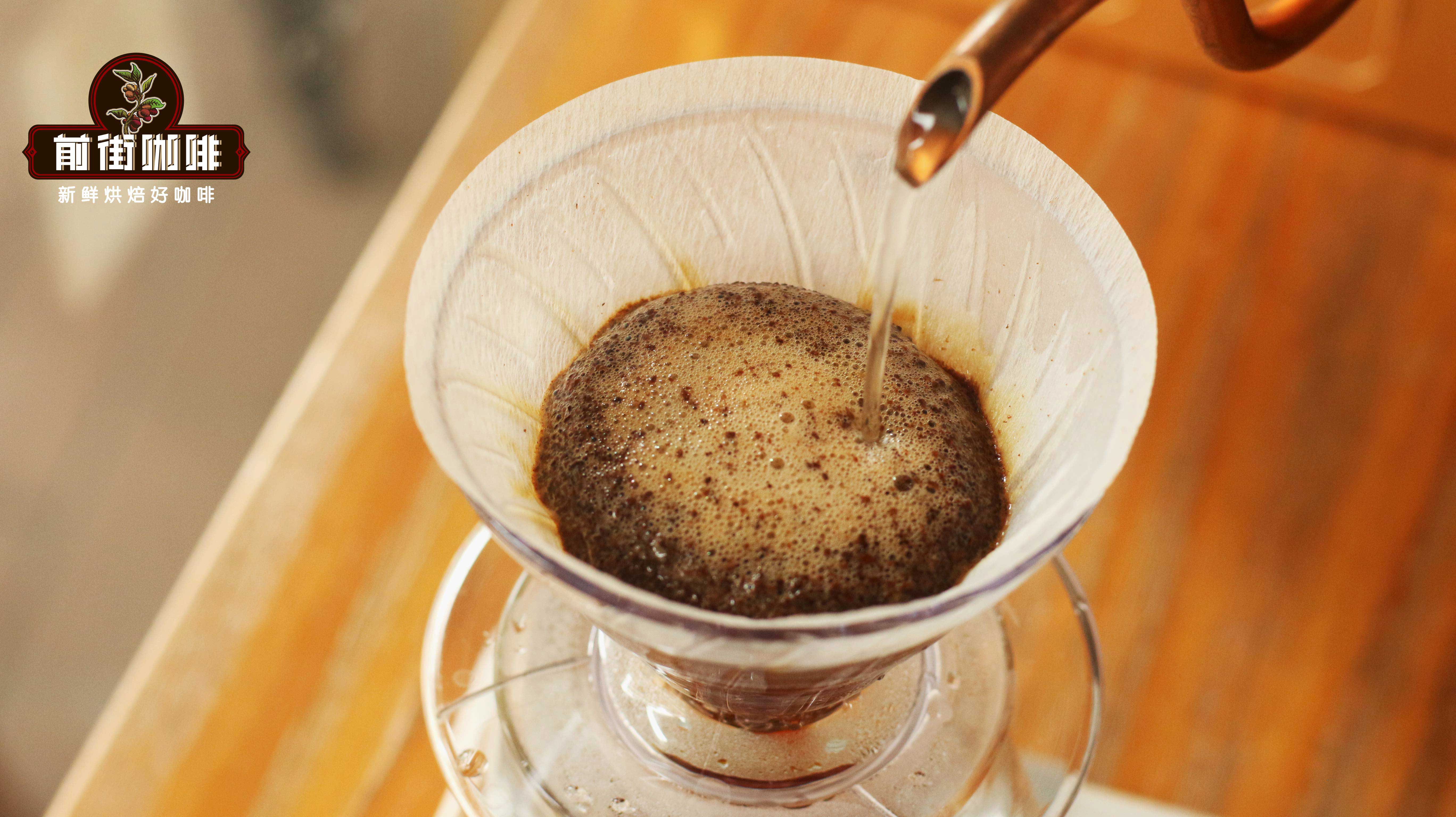
Many coffee enthusiasts pursue freshness, believing that the newer the beans, the better. However, while freshly roasted coffee beans are indeed full of vitality, they have not yet reached their peak flavor. At this stage, the beans contain a lot of carbon dioxide, and the aroma is dominated by roasty notes, lacking complexity. Brewing them immediately not only results in poor blooming but can also cause uneven extraction due to gas interference, affecting the final flavor outcome.
Generally speaking, about 4 days after roasting, coffee beans release around 60–70% of their carbon dioxide, at which point the rate of degassing stabilizes and the flavors gradually enter their prime. At this stage, the coffee beans are like a well-aged fine wine, beginning to reveal delicate and layered aromas and tastes.
The puffing of the coffee bag is precisely the result of continuous carbon dioxide release inside. This process not only affects the beans’ freshness but is also closely tied to flavor evolution. After the peak degassing period, flavors gradually reach their best state, and then slowly decline as residual gases continue to be released slowly. Therefore, mastering the resting time is the key to savoring coffee at its optimal flavor.
However, the resting period for each type of coffee bean can vary significantly and cannot be generalized. The main factors influencing resting duration include: the method of heat transfer during roasting, the roast level, and the roaster’s unique style. These three elements together determine the degassing characteristics and the flavor development curve of the coffee beans.
First is the method of heat transfer. Common roasting methods include direct flame (直火), semi-direct flame (半直火), and hot air (热风). Generally speaking, coffee beans roasted with direct flame experience more intense internal structural changes due to more direct heat application, thus requiring a longer resting time; semi-direct flame comes next; while hot air roasted beans usually degas faster, resulting in a relatively shorter resting period.
Next is the roast level. Light roast coffee beans, due to shorter roasting times and relatively denser internal structures, release carbon dioxide more quickly and typically reach better flavor after 4–7 days of resting; whereas medium to dark roast beans, because of longer roasting times and higher density, often require 7–10 days of resting for flavors to fully develop.
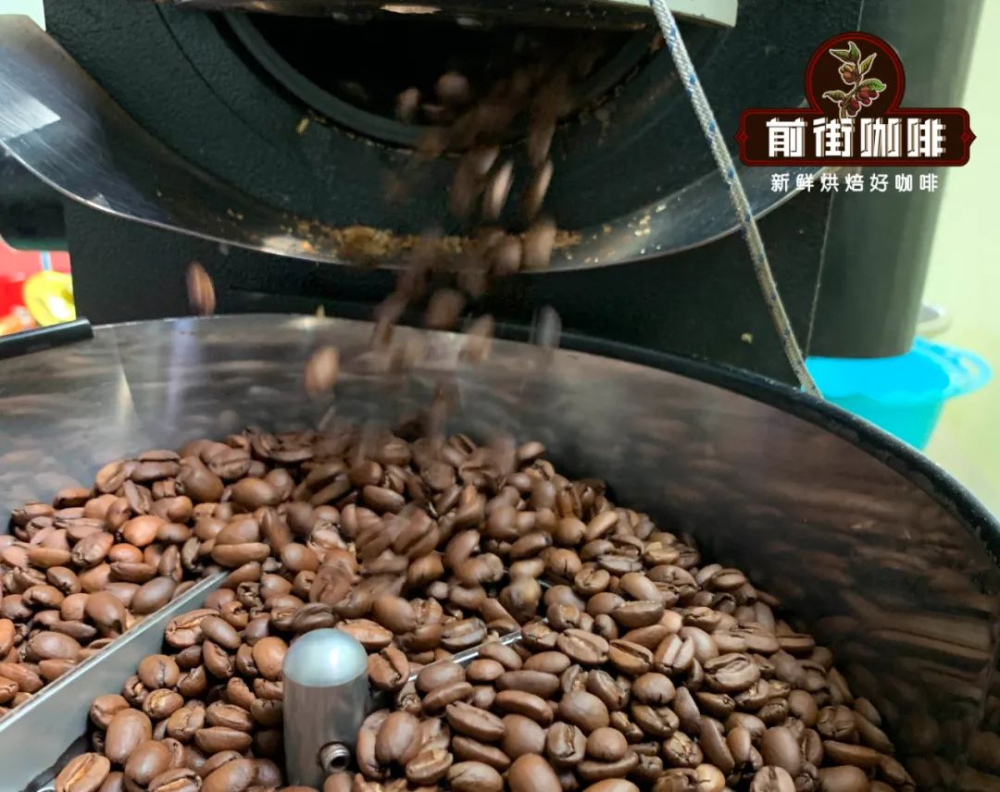
Lastly, differences in roasting style also play a role. Even with the same bean variety, different roasters may adopt varying temperature curves, heat control, and cooling methods based on their experience and preferences. These subtle differences are directly reflected in the final cup. Therefore, even for the same bean, recommended resting times may differ among roasters.
So, as a consumer, how can you determine the best drinking time for your bag of coffee beans? First, always pay attention to the roast date on the packaging—it’s an important reference point for determining when the resting period begins. Second, it’s recommended to use actual tasting to track flavor changes.
For newly acquired coffee beans, you can brew a small cup each day and carefully compare the flavor changes. When you notice that one day the coffee’s aroma is particularly bright and the taste is distinctly layered, but the next day it slightly declines, that turning point is usually the optimal drinking period for that particular bean. Record that time point, and it will serve as a useful reference for future brewing of similar beans.
It’s worth noting that every time you open the bag, it accelerates the oxidation process of the coffee beans. Therefore, after determining the resting period, it’s advisable to store any unused beans in a sealed container to minimize air exposure, helping to preserve their optimal flavor state.

The above content is compiled by CoffeeHunters, a coffee news website.


