








Introduction:The Sidamo and Guji-Hambella regions of Ethiopia, blessed with unique geography and climate conditions, produce sun-dried coffee beans with rich and intense flavors. This article delves into the origin and processing methods of Sidamo Heirloom and Hambella (Kaweh), and provides a detailed guide on how to extract their captivating berry aromas and creamy body through pour over brewing—a practical handbook for coffee enthusiasts exploring high-altitude specialty beans.
Known as the cradle of Arabica coffee, Ethiopia’s high-altitude terrain, significant day-night temperature variations, and tropical rainforest climate create coffee with layered and complex flavors. The Sidamo and Guji-Hambella regions, in particular, are globally celebrated among specialty coffee lovers for their distinctive floral, fruity notes, and rich mouthfeel. This article will fully showcase the charm of these two classic coffees—from regional cultivation traditions, variety characteristics, processing methods, to pour over extraction techniques.
Ethiopia’s highland topography and tropical rainforest climate provide natural advantages for coffee growth. With abundant annual rainfall, misty environments, and altitudes generally around 2000 meters, the region experiences notable day-night temperature differences that help coffee cherries ripen slowly, accumulating more flavor compounds. Local coffee farming methods are categorized into forest coffee, semi-forest coffee, garden coffee, and plantation farming, with garden coffee being the most common. Farmers often intercrop coffee trees with economic crops like bananas, not only improving land utilization but also creating a unique ecological landscape.

Ethiopia boasts an extremely diverse range of coffee varieties. Due to long-term natural evolution, many varieties have not undergone systematic genetic testing. To protect these unique genetic resources, the government collectively refers to most uncategorized varieties as “Heirloom (原生种).” These coffee beans are typically small in size with irregular shapes, mostly ranging between 14 and 15 mesh, yet they often display enchanting floral and fruity profiles during cupping, making them essential ingredients in specialty coffee.
Ethiopia has nine major coffee-growing regions distributed across five states, including Gimbi, Sidamo, Yirgacheffe, Harrar, and Limu. Among them, Sidamo, along with Yirgacheffe and Harrar, ranks among the three most renowned coffee-producing regions in the world. Located around Lake Awasa on the southern edge of the East African Rift Valley, Sidamo sits at elevations between 1500 and 2200 meters. With a favorable climate, ample rainfall, and moderate shade cultivation, the coffee cherries can mature slowly in a cool environment, developing complex flavor layers.
It is worth noting that “Sidamo” and “Sidama” are simply different Chinese translations for the same region. Sidama is the name of the indigenous ethnic group in the area, who possess a unique culture and traditions—including the “Fiche Chambalala” New Year celebration, recognized by UNESCO as intangible cultural heritage and attracting over 5 million participants annually. From the late 18th to early 19th century, the region was invaded by foreign tribes, and the original pronunciation “Sidama” was misheard as “Sidamo,” resulting in the two translations. Although the Ethiopian government restored the official name “Sidama” in the 1990s, due to trademark registration and historical usage, it is still commonly referred to as “Sidamo (西达摩)” in the international market.
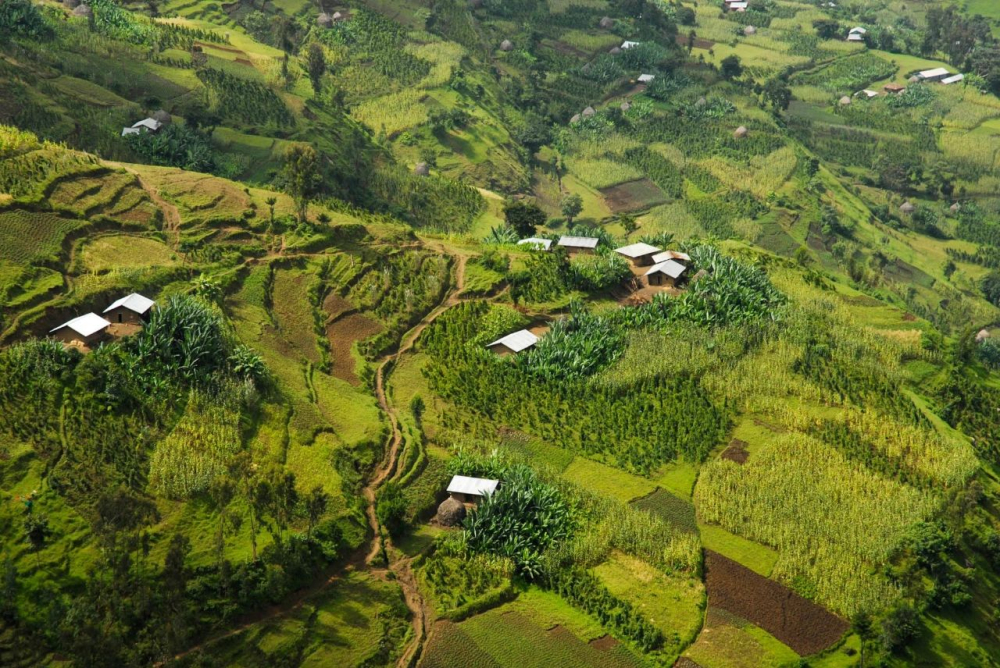
Sun-dried coffee from Sidamo is a classic way to experience the flavors of this region. As the most traditional processing method in Ethiopia, sun drying allows the sugars and flavor compounds within the coffee fruit to fully penetrate the seeds over an extended period. Coffee processed this way typically offers a full-bodied mouthfeel, rich sweetness, and an intricate blend of floral, spicy, and tropical fruit aromas. A well-known café’s Sidamo sun-dried beans are famed for their bold sweetness and multi-layered profile, making them a popular entry point for many coffee lovers.
The Guji-Hambella region is located in the border area between Sidamo and Guji, currently under the administration of the Guji zone, and lies opposite the Kochere sub-region of Yirgacheffe. With elevations reaching up to 3200 meters, it is one of the highest-altitude coffee-growing areas in Ethiopia. The Hambella (Kaweh) coffee originates from a lot submitted by DW Company in 2017 to Ethiopia’s national harvest season competition (TOH), where it won the championship. Its English name “Hambella” refers to the Hambella region. This coffee is processed by the Buku Abel washing station in Guji using the sun-dried method, showcasing vibrant fruitiness and a rich mouthfeel.
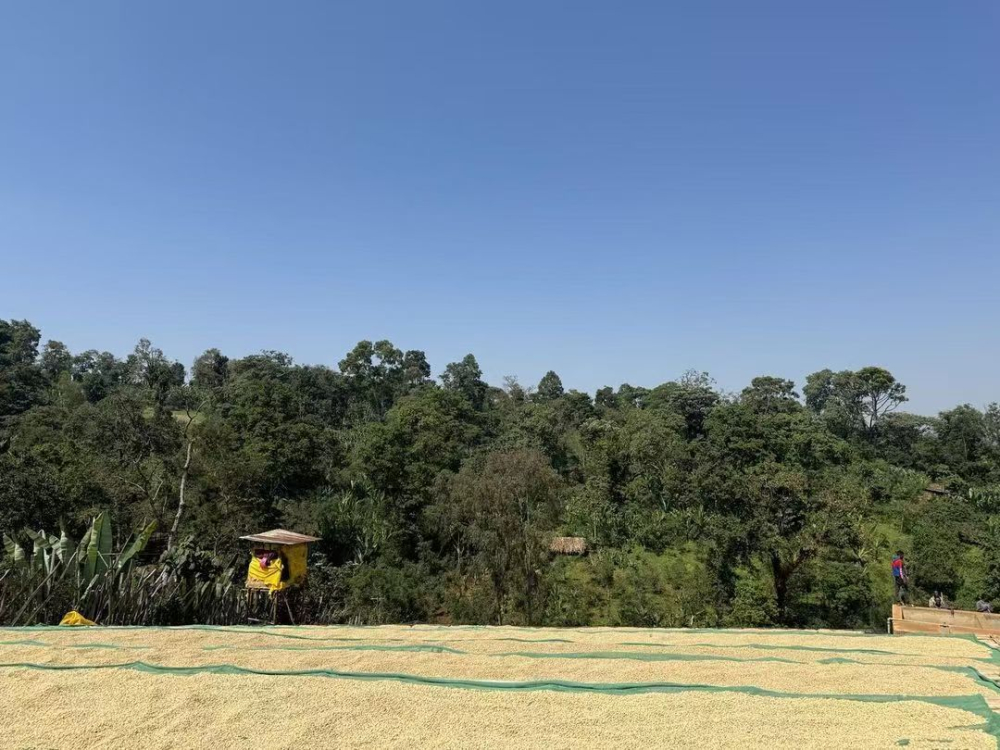
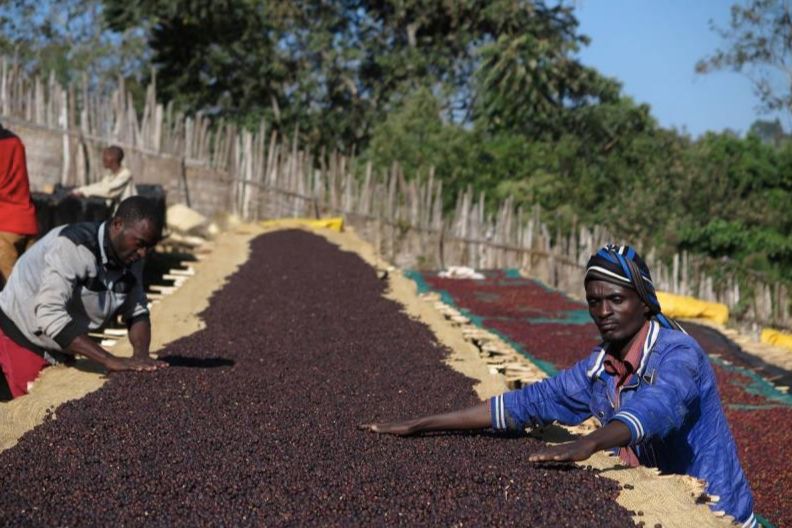
During the coffee harvest season from December to January each year, the Buku Abel washing station purchases fully red coffee cherries from surrounding farmers, rigorously selecting fruits with a sugar content of 30 or above, and placing them on African raised beds for sun drying. To control the fermentation process, farmers provide shade during midday when the sun is strongest to prevent overheating and excessive fermentation, and cover the cherries with plastic sheets at night to guard against rain. After approximately 18 days of even drying, the moisture content of the green coffee beans is reduced to 13%, after which they are hulled by machine. A well-known café’s Hambella coffee is medium-light roasted to highlight its bright fruit character and bold sweet-sour taste. Upon tasting, it delivers the smoothness of passion fruit, strawberry, and cream, with a cocoa-like finish.
To fully appreciate the flavors of Hambella 8.0, selecting the right pour over parameters is crucial. It is recommended to use a V60 dripper, with water heated to 92–93°C, and a powder-to-water ratio controlled between 1:15 and 1:16. For a stronger taste, choose 1:15; for a cleaner and brighter profile, opt for 1:16. The grind size should follow medium-light roast standards, using a 20-mesh sieve with about 80% passing rate—equivalent to the size of fine sugar granules—which balances extraction efficiency and flavor expression.
For beginners, the three-pour method is an effective way to master pour over brewing. Taking 15 grams of coffee grounds and a total of 225 milliliters of water as an example: the first pour involves adding 30 milliliters of hot water for a 30-second bloom to awaken the grounds; the second pour steadily adds 95 milliliters while circling evenly; when the coffee liquid drops to half, the third pour adds 100 milliliters to reach the total 225 milliliters, with the entire extraction process taking about 2 minutes. This method effectively prevents over-extraction while fully releasing Hambella’s berry aromas and creamy texture.
The above content is compiled by CoffeeHunters, a coffee news website.


