







Introduction:Arabica and Robusta are the two most mainstream coffee varieties in the world, differing greatly in flavor profile, brewing suitability, and growing conditions. This article will delve into a comprehensive comparison of their core differences, analyze their market positioning and applicable scenarios, while also addressing the common question of whether "Yunnan small-grain coffee" belongs to the Arabica species. Additionally, it introduces the evolution background and flavor characteristics of Yunnan's main cultivated varieties—Typica, Bourbon, and Catimor—providing a clear and easy-to-understand bean selection guide for both coffee beginners and advanced enthusiasts.
In the vast and diverse world of coffee, Arabica and Robusta account for over 90% of the market share, yet each represents a distinctly different coffee experience. The former is renowned for its delicate aroma and diverse flavors, while the latter is widely used in instant and commercial blends due to its strong bitterness and high yield. If you've ever wondered why pour over coffee mostly uses Arabica, or what beans are behind three-in-one instant drinks, this article will systematically break down the essential differences between the two major varieties—from growing conditions, appearance characteristics, roasting performance, to real-world application scenarios—and focus on the popular topic of "which category Yunnan small-grain coffee actually belongs to."
The mainstream items in the coffee market can be roughly divided into Arabica, Robusta, and Liberica, with the first two being the most widely circulated. Many consumers often ask through social media or search engines: "What exactly is the difference between these two types of beans?" The answer involves multiple factors ranging from planting altitude to flavor profiles, which will be analyzed one by one below.
1. From Planting to Harvest: Key Differences in Cycle and Yield
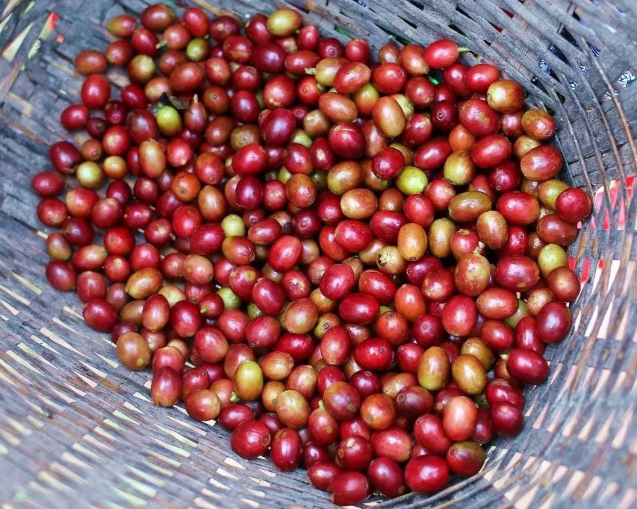
Arabica coffee trees take about five years from seedling establishment to reach stable fruiting. Taking major producing regions as examples, Brazil’s main harvest season falls between May and September each year, while Colombia’s is concentrated from April to June, accounting for approximately 70% to 75% of global production. In contrast, Robusta grows significantly faster, only needing two to three years to flower and fruit. Indonesia’s harvest period is roughly from April to August each year, while Vietnam’s runs continuously from October to April of the following year, making up 20% to 25% of the global market. This difference directly impacts the supply stability and market pricing strategies of the two.
2. Divergence in Flavor Performance and Commercial Positioning
Arabica is famed for its mild acidity and rich aroma layers (such as fruity, floral, and even wine-like notes), making it suitable for detail-oriented single-origin brewing or premium blends. Notably, the same batch of Arabica green beans can present diverse flavor directions by adjusting the roast level (e.g., light roast highlighting fruity tones, dark roast enhancing caramel sweetness), which is why over 90% of single-origin beans on high-end café menus choose Arabica. On the other hand, Robusta, though more resistant to pests and diseases and with ultra-high yields, has a prominent bitterness due to its high caffeine content, low acidity, and noticeably weaker aroma, thus it is mostly used in instant coffee, canned beverages, or as a base for commercial blends. In terms of price, Robusta is generally 30% to 50% lower than Arabica.
3. Intuitive Identification Through Appearance Characteristics
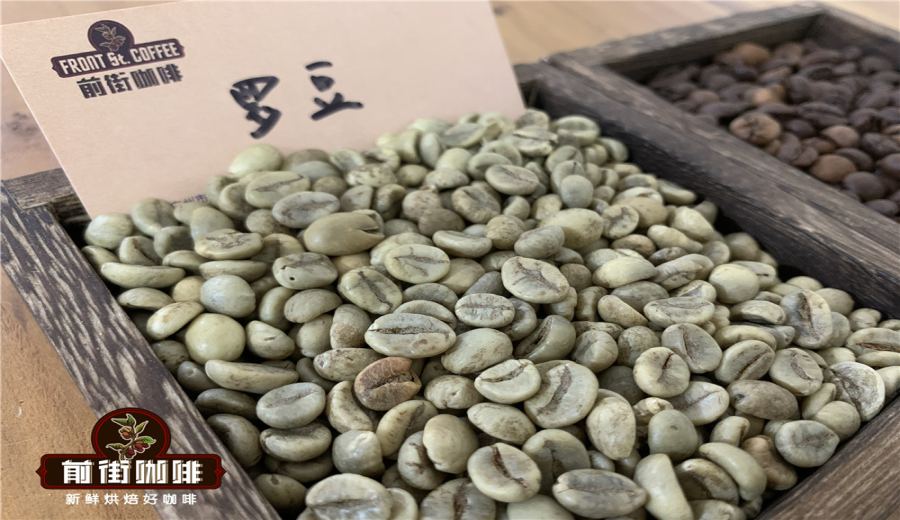
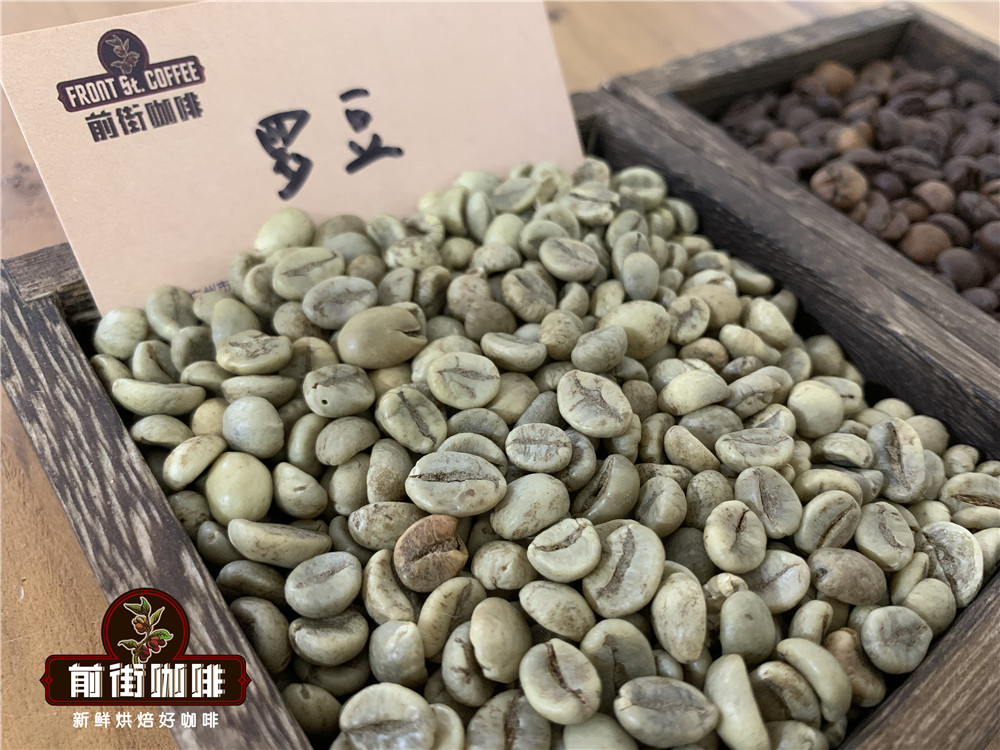
Observing the shape of green beans is a practical skill for quickly distinguishing the two:Arabica beans are oval-shaped, usually containing two slightly flattened seeds, with a compact and plump body, fine S-shaped longitudinal cracks on the front, and smooth arcs on the back; they are mainly grown in South America, Central America, Africa, and Asian highlands (including Yunnan and Taiwan in China).Robusta beans are rounder and blunter, smaller in size, with straight central cracks, and an appearance similar to soybeans. Their low-altitude cultivation characteristics result in generally monotonous flavors, often described as having a "peanut-like" or "rubbery" taste, making them suitable for cost-sensitive mass-market demands.
4. The Variety Mystery of Yunnan Small-Grain Coffee
Coffee beans circulating in the domestic market are 99% sourced from Yunnan. This variety, commonly known as "small-grain," is actually a native mutation of Arabica that has undergone localized domestication and boasts a century-long cultivation history.Yunnan small-grain coffee gets its name because, compared to the medium-grain Robusta primarily produced in Vietnam, its individual bean size is closer to classic Arabica varieties such as Blue Mountain. Currently, the main varieties planted in Yunnan include Typica, Bourbon, and Catimor: the first two are traditional high-quality Arabica lineages—Typica originates from Ethiopia, with tall plants but weak disease resistance; Bourbon is a natural mutation of Typica, and its round bean shape combined with high-altitude environments can produce high-quality flavors with rounded acidity and rich aromas. Catimor, a hybrid of Arabica and Robusta (containing 25% Robusta genes), combines leaf rust resistance with stable yields. Although its flavor purity is slightly inferior to purebred Arabica, it stands out with practical notes like nuts, brown sugar, and plum, making it the main cultivation choice for Yunnan estates.
In summary, Arabica, with its diverse flavor potential and refined taste, is the top choice for specialty coffee enthusiasts; Robusta excels in practicality and economy, suiting mass-market needs. As for Yunnan small-grain coffee, it is essentially a derivative system of the Arabica variety. Whether it’s the traditional Typica, Bourbon, or the modernized Catimor variant, each holds a place in the international coffee landscape. Understanding these fundamental differences will help you make more personalized bean selections when choosing coffee.
The above content is compiled by CoffeeHunters, a coffee news website.


