







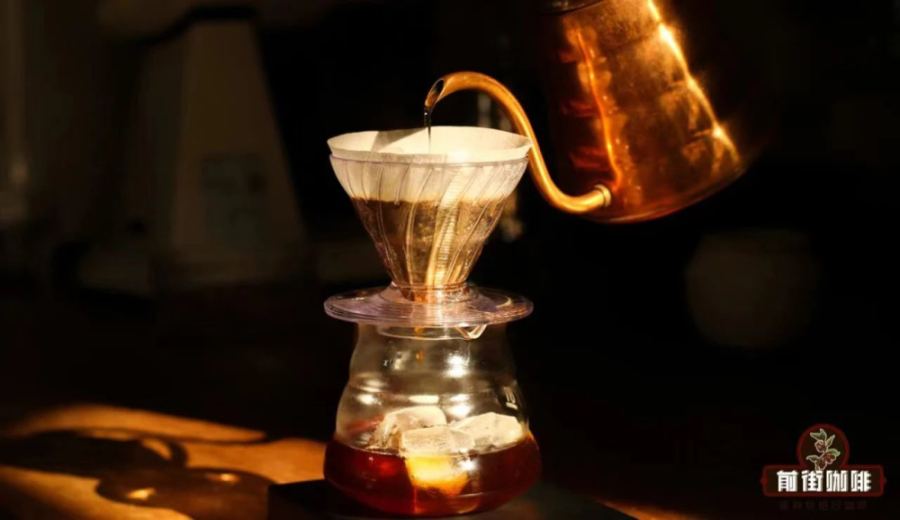
Introduction:The flavor profile of pour over coffee is closely related to the choice of filter material. The three common types—metal filters, paper filters, and cloth filters—each deliver distinct mouthfeel experiences and extraction characteristics. This article provides an in-depth analysis of the pros and cons, flavor differences, and cleaning and maintenance methods of these three filter materials, helping you choose the most suitable brewing partner based on your personal taste preferences and master the essence of each cup’s flavor.
In the world of pour over coffee, the choice of filter material directly affects the final flavor profile of the coffee. Metal filters, paper filters, and cloth filters are the three types most commonly encountered by pour over enthusiasts, each with its unique extraction characteristics and mouthfeel. Which one is more suitable for you? What are the noteworthy details in terms of flavor presentation, ease of use, and subsequent cleaning and maintenance? Below, we will delve into the advantages and disadvantages of these three filter materials based on practical usage experience, giving you clearer direction when selecting your brewing tools.
Metal Filter: Retains Oils, Smooth Mouthfeel but Watch Out for Fines
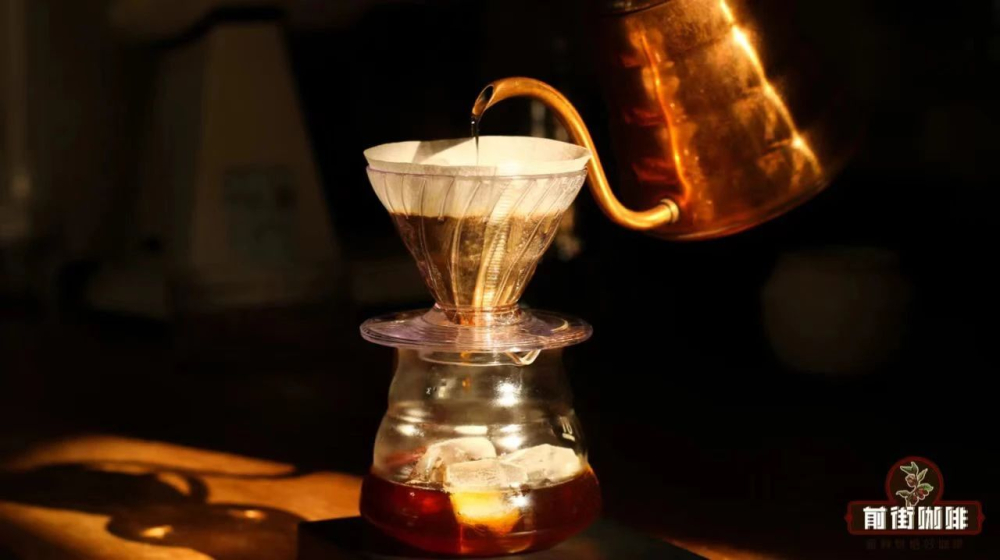
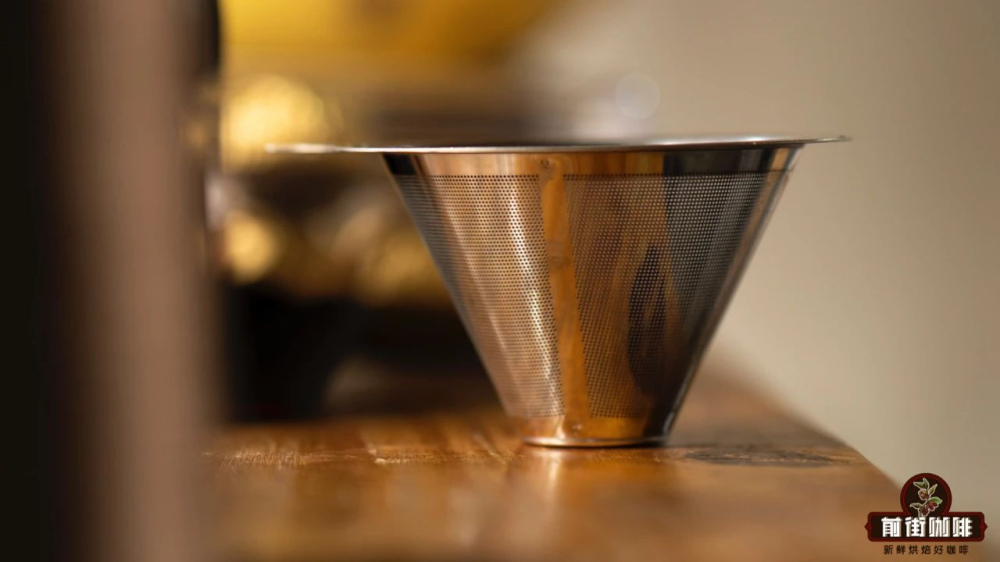
The biggest feature of metal filters is their ability to retain the natural oils in coffee, resulting in a smoother mouthfeel that in some ways resembles the flavor profile of a French press. Many users report that coffee brewed with this type of filter has a more balanced acidity and bitterness, with a more pronounced sweetness, and an overall more natural and raw flavor. However, the drawbacks of metal filters are also not to be ignored—for example, their filtration of coffee fines is not as effective as paper filters, which may affect the overall clarity. In addition, if the groove design of certain metal filters is not fine enough, it may lead to uneven extraction or even concerns about over-extraction. For those pursuing a coffee with distinct layers and bright acidity, using a metal filter may require more precise adjustments in brewing techniques.
Paper Filter: Clear Acidity and Layered Profile, but Filters Out Some Oils
Paper filters are currently the most widely used pour over filter material on the market. Their greatest advantage lies in their ability to effectively filter out coffee fines and impurities, resulting in coffee with bright acidity, clear aromas, and a more distinct flavor layering. Especially for light roast coffees, paper filters can bring out bright fruit-forward flavors well, and the flavor transition during temperature changes is also more noticeable. However, the downside of paper filters is that they also filter out most of the coffee oils, resulting in a relatively cleaner and lighter mouthfeel, with less body and smoothness compared to metal filters. Additionally, environmental concerns are also a focus for many users, as frequent use of paper filters may generate more paper waste. Before use, remember to rinse the paper filter with hot water to remove the pulp taste and avoid affecting the purity of the coffee’s flavor.
Cloth Filter: Reusable, Suitable for Medium to Dark Roasts and Sweet Flavors
Cloth filters are a reusable type of filter material. Their greatest appeal lies in the rounded mouthfeel and prominent sweetness of the brewed coffee, making them particularly suitable for medium to dark roast coffee beans. Many pour over enthusiasts are fond of the rich flavor profile that cloth filters offer, especially when brewing bold-flavored coffees, where cloth filters can fully showcase the coffee’s body and complexity. In addition, the reusability of cloth filters aligns with eco-friendly principles. However, the maintenance of cloth filters is relatively cumbersome; if residual coffee oils are not thoroughly cleaned, they can easily produce an oily or fishy smell, affecting the flavor of subsequent brews. Moreover, compared to paper filters, cloth filters may be slightly inferior in showcasing delicate aromas, requiring adjustments in brewing techniques to optimize flavor performance. Be sure to clean them thoroughly after use and store them properly to prevent mold or absorption of odors.
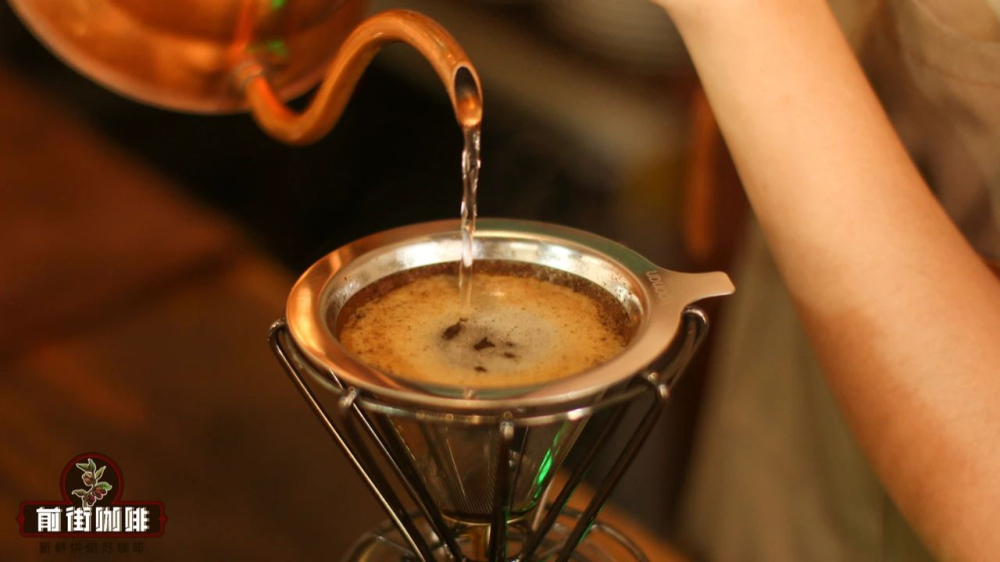
In addition to the above three mainstream filter materials, there are also other options on the market, such as metal filters for siphon pots and modified cloth filters (such as mesh-style materials). Each combination of filter material and brewing device can bring a unique brewing experience. It is recommended that enthusiasts try different combinations based on their own taste preferences to find the most suitable brewing partner for themselves.
Tips for Cleaning and Maintaining Filter Materials
For the maintenance of metal filters and cloth filters, a common method is to soak the filter material in boiling water with an appropriate amount of baking soda until the oils soften, then scrub it. After cleaning, be sure to rinse it thoroughly with clean water and dry it completely. Metal filters can be air-dried and kept ready for use, while cloth filters are recommended to be stored in a zip-lock bag or sealed container, and placing them in the refrigerator can help avoid absorbing ambient odors or developing mold. Developing a habit of regular cleaning ensures that each brew can deliver the best possible flavor.
The above content is compiled by CoffeeHunters, a coffee news website.


