








Introduction:Once a staple on café menus, the mocha has gradually faded from the mainstream, only to make a comeback in the form of the "salty mocha." This article delves into the reasons behind the rise of the salty mocha—from ingredient selection and coffee bean pairings to detailed hot and iced preparation methods—guiding you through this popular coffee drink that balances chocolate aroma with sweet-salty harmony, and exploring why it appeals to modern consumers.
Mocha coffee was once a key player on the classic menu of Italian-style cafés, standing alongside the latte and cappuccino, and beloved by many coffee enthusiasts. However, in recent years, an increasing number of specialty coffee shops have stopped featuring the mocha, even removing it from their menus in favor of more popular options like dirty espresso or oat milk lattes. Is the mocha on its way out? In fact, while the traditional mocha may not be as popular as it once was, its variation—the "salty mocha"—has emerged as a new favorite in the coffee scene in recent years.
 In the past, customers walking into a café would often order a "mocha," but nowadays, more and more shop responses might be: "Sorry, we don’t have mocha." Once a fixed option among Italian-style coffees, the mocha has gradually faded from view, replaced by emerging drinks like dirty espresso or oat milk lattes. What lies behind this is not just a shift in consumer trends, but also reflects the challenges the mocha’s inherent flavor profile faces in the modern market.
The mocha’s former widespread popularity mainly stemmed from the addition of chocolate, which not only softened the bitterness of coffee but also added rich layers of flavor. However, as consumer tastes have become more diverse, the traditional mocha has gradually lost its appeal, while its "salty version" has quietly risen to prominence. The salty mocha is made similarly to the traditional mocha, with just a pinch of salt added—but it delivers a completely different taste experience.
 This small amount of salt not only sharpens the perception of sweetness but also makes the overall aroma clearer and more distinct. The interplay of salty and sweet perfectly aligns with modern palates’ pursuit of complex flavors, which is why many coffee shops have recently introduced the salty mocha, making it a rising star on their menus. So, how exactly is this much-talked-about salty mocha made?
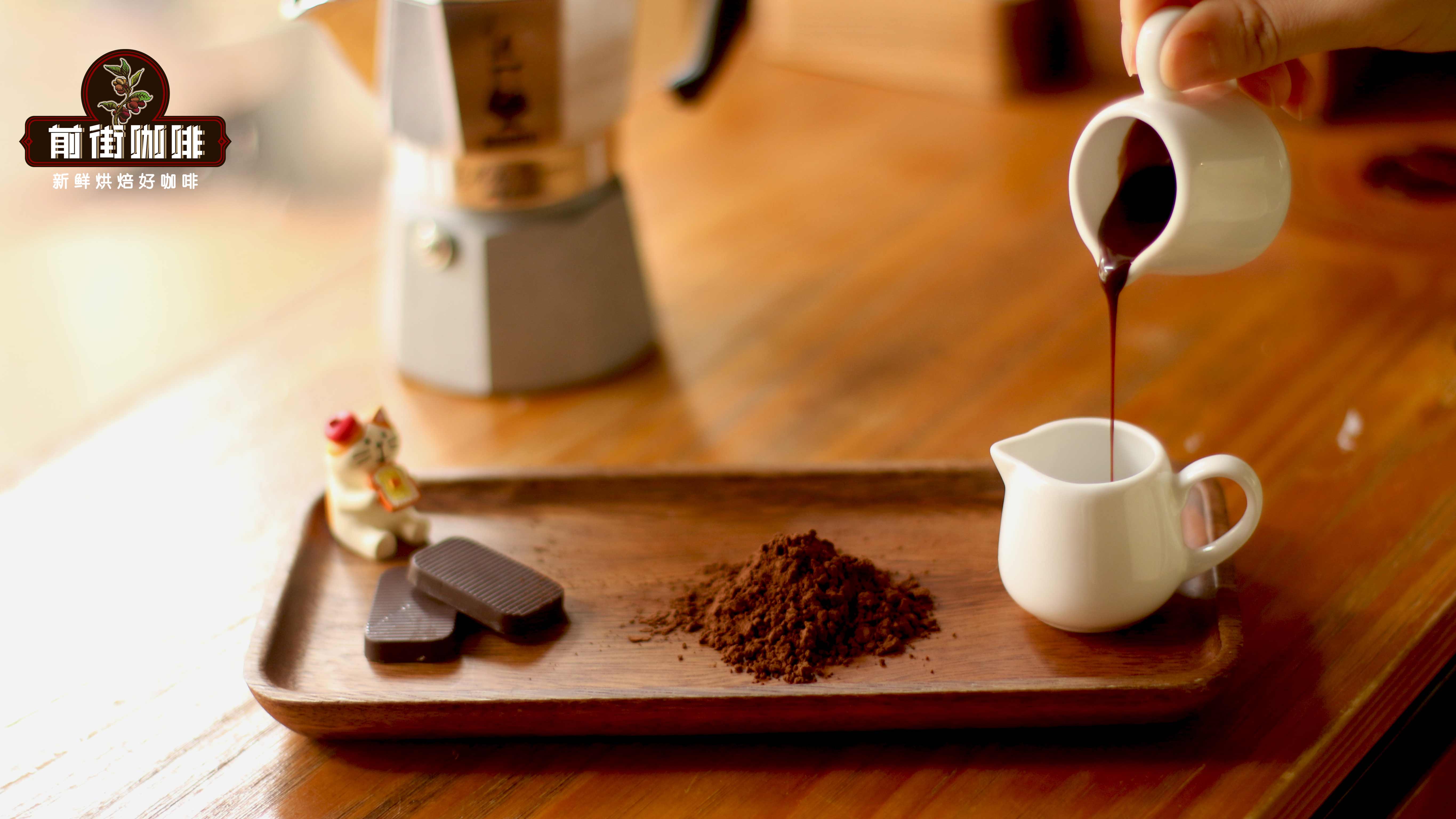
Making an excellent salty mocha doesn’t require overly complicated ingredients, most of which can be found at regular markets or online platforms. Basic ingredients include: espresso (or strong coffee extracted via a mocha pot), fresh milk or skimmed milk, chocolate (you can choose chocolate syrup, unsweetened chocolate powder), condensed milk, whipped cream, and a small amount of table salt. Among these,the choice of coffee beans is particularly crucial—it’s recommended to select beans that are medium-dark or dark roasted, such as those with chocolate and nutty flavor profiles, which can achieve a more harmonious pairing with milk chocolate.
For example, a classic blend from a certain coffee brand is a good choice. This blend consists of Brazilian, Mandheling, and Vietnamese beans, offering a rich profile of chocolate, nuts, and creaminess, which can perfectly complement the chocolate elements in the mocha. If you don’t have a specific blend on hand, you can also opt for single-origin beans such as Indonesian Golden Mandheling or Brazilian Queen Estate, which also showcase flavor profiles that enhance chocolate.
 Next, let’s break down the preparation process for the hot version of the salty mocha. First, you need to prepare the base by mixing the espresso with other ingredients evenly. The recommended formula is: double espresso (20 grams of coffee grounds, extracted for about 30 seconds, yielding about 40 milliliters), 8 grams of unsweetened chocolate powder, 8 grams of condensed milk, 5 grams of chocolate syrup, and 0.5 grams of table salt. If using mocha pot-extracted strong coffee instead of espresso, pay attention to controlling the concentration and stir with a bamboo whisk until no granules remain.
 Once the base is ready, the next step is to froth the milk. It’s recommended to use a thin layer of microfoam similar to that for a latte, with the temperature controlled at around 65°C. If the base uses mocha pot coffee, you might consider using skimmed milk instead to help improve the overall smoothness of the texture. After frothing, you can choose one of two methods to combine: either create latte art for a refined visual effect, or mimic the cappuccino style by using the foam to shape a donut-like form.
If you choose the donut shape, start by spreading 2–3 spoonfuls of milk foam in the center of the coffee, covering as large an area as possible, then pour the remaining foam into the center until the cup is full (about 200 milliliters). Finally, sprinkle chocolate powder or chocolate chips to add aroma, being careful not to overly cover the foam and affect the visual appeal.


Compared to the traditional version, this year’s recommended salty mocha recipe offers a fresher aroma profile, sweet yet not cloying—suitable for consumers who dislike overly sweet drinks. If you want to try the iced version, the preparation steps are relatively simplified. The base formula remains the same as the hot version, but you can add 5 grams of chocolate syrup and 0.5 grams of salt to enhance the flavor. After preparing the base, set it aside for later use.
Next, prepare an ice-filled cup. It’s recommended to first rim the cup with chocolate syrup (you can chill the syrup beforehand to reduce its flowability and avoid rimming failure). Then add about 120 grams of ice cubes, pour in 180 milliliters of iced milk, and then add the prepared chocolate coffee base. Finally, you can customize with milk foam, whipped cream, chocolate powder or chips, or even decorate with chocolate chunks or cookies. Your smooth and refreshing iced salty mocha is now complete.


Compared to the hot version, the iced salty mocha has a smoother and more refreshing mouthfeel, but it’s recommended to gently stir it with a straw before drinking to ensure the chocolate coffee and milk are fully mixed, achieving the best flavor. Overall, the salty mocha not only carries on the chocolate essence of the mocha series but also achieves a more balanced taste suited to modern preferences through its salty modulation—no wonder it has become a new staple on café menus.
The above content is compiled by CoffeeHunters, a coffee news website.


