







Introduction:Mandheling coffee is renowned for its rich and bold flavor, but do you know the secrets behind its regional distribution, grading system, and the wet hulling process? This article delves into the characteristics of Indonesia’s main Sumatran producing regions, explores the origins and classification standards of Mandheling beans, and shares expert pour over recommendations to help you evolve from a beginner into a true Mandheling connoisseur.
Among the many Indonesian coffees, Mandheling stands out as a favorite for many coffee enthusiasts due to its full body, low acidity, and unique herbal and spicy notes. This coffee from Sumatra not only carries the historical legacy of the Dutch colonial period but also develops a distinctive flavor profile under the island’s unique geography and climate. This article will guide you through the history, regional distribution, variety characteristics, grading system, and the classic wet hulling process of Mandheling, along with practical pour over parameters to help you better understand and appreciate this classic coffee.
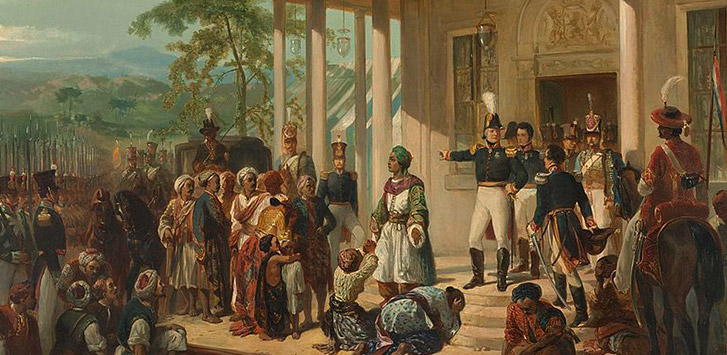
As an important coffee-producing country in Asia, Indonesia’s coffee cultivation history dates back to the 17th century. In 1699, the Dutch East India Company (VOC) introduced Arabica coffee trees from India to break the Arab monopoly on coffee trade. The trees were first successfully planted on Java Island (around present-day Jakarta) and later gradually expanded to Sumatra, Sulawesi, Bali, and Timor. Between 1725 and 1780, the VOC monopolized nearly the entire global coffee trade, with Arabica plantations mainly located in high-altitude areas, establishing the early reputation of Indonesian coffee for high quality.
However, the 1876 leaf rust disaster severely damaged Indonesia’s Arabica coffee production, with traditional varieties such as Typica nearly becoming extinct. To maintain yield, the Dutch introduced disease-resistant Robusta in the early 20th century, which still accounts for over 80% of Indonesia’s total coffee production today, primarily grown in low-altitude areas of Java and Bali. Currently, over 90% of Indonesia’s Arabica coffee is cultivated by smallholders, with an average farm size of less than one hectare, mostly concentrated in the high-altitude regions of northern Sumatra and Sulawesi.
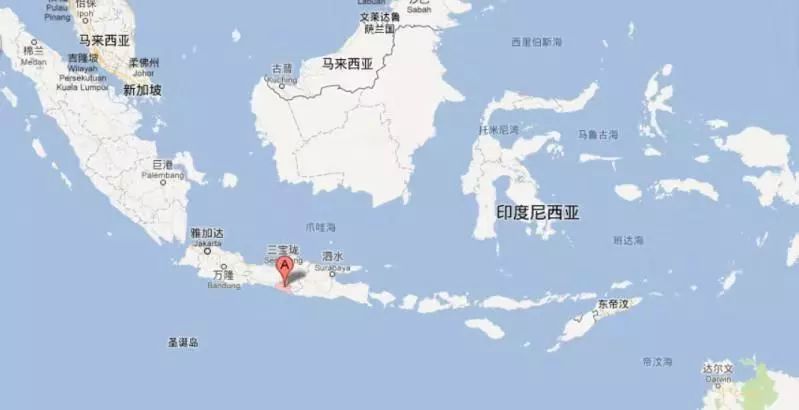
Composed of numerous islands, Indonesia is known as the “Country of a Thousand Islands.” Its mountainous terrain and tropical rainforest climate feature high temperatures and humidity year-round, with no distinct seasons. The northern part is influenced by the Northern Hemisphere monsoon, receiving abundant rainfall from July to September, while the southern region sees more rain between December and February, with an annual precipitation of about 1600–2200 mm. This combination of high altitude, mineral-rich volcanic soil, stable temperatures, and ample rainfall provides an ideal environment for growing Arabica coffee.
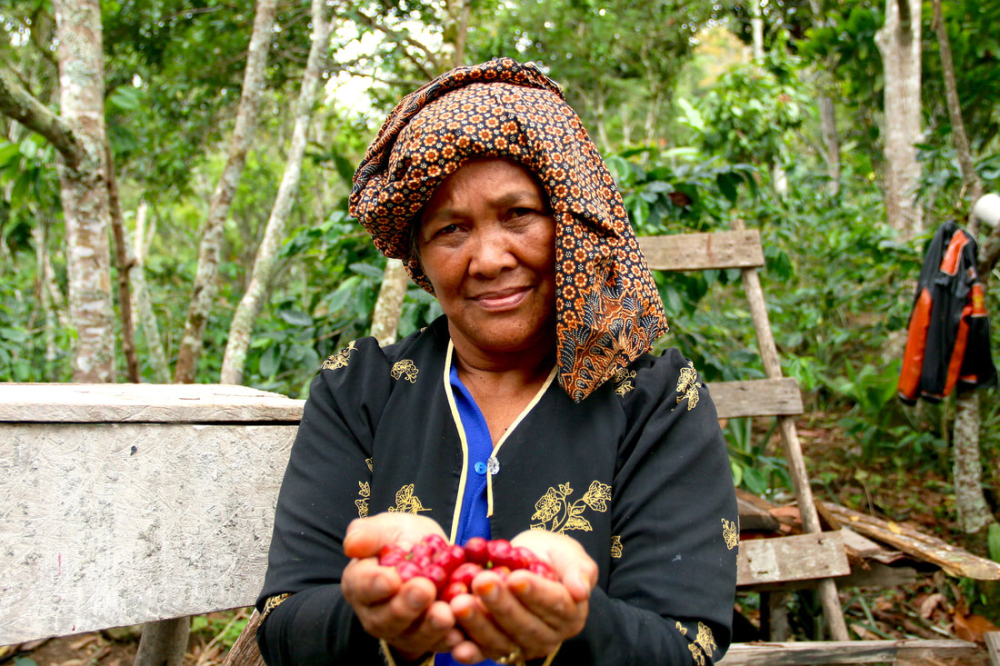
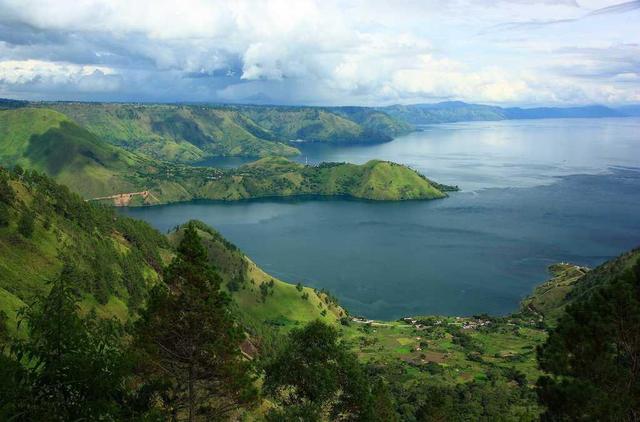
When it comes to Mandheling, Sumatra cannot be overlooked. As the world’s sixth-largest island located on the equator, it is the primary origin of the broadly defined “Mandheling” coffee, with its harvest season running from November to March each year. The island has three well-known producing regions: Lintong near Lake Toba, Lake Tawar and the Gayo Mountains in the Aceh Special Region. Among them, the Gayo Mountains, with elevations of 1500–2500 meters, organic farming practices, and local management predominantly by the Gayo ethnic group, produce coffee often referred to as “Gayo Green Coffee” or “Gayo Organic Coffee,” considered representative of high-quality Mandheling from Sumatra.
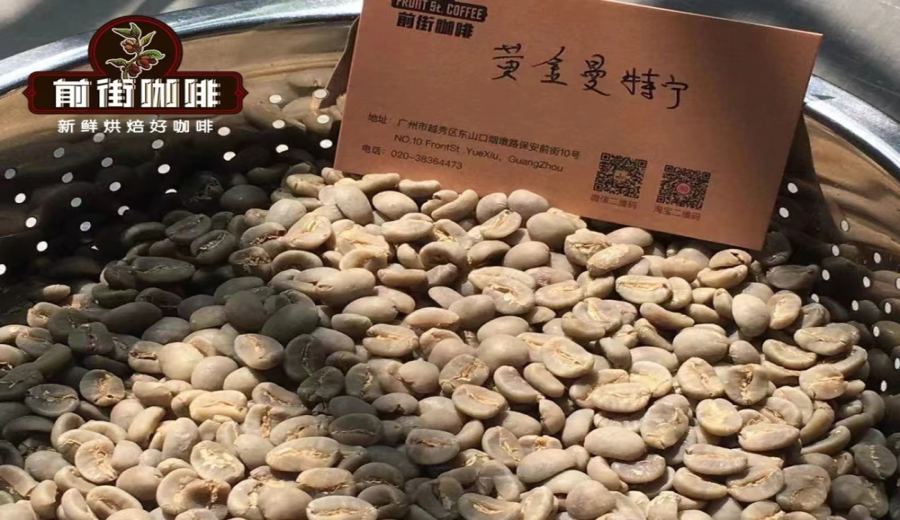
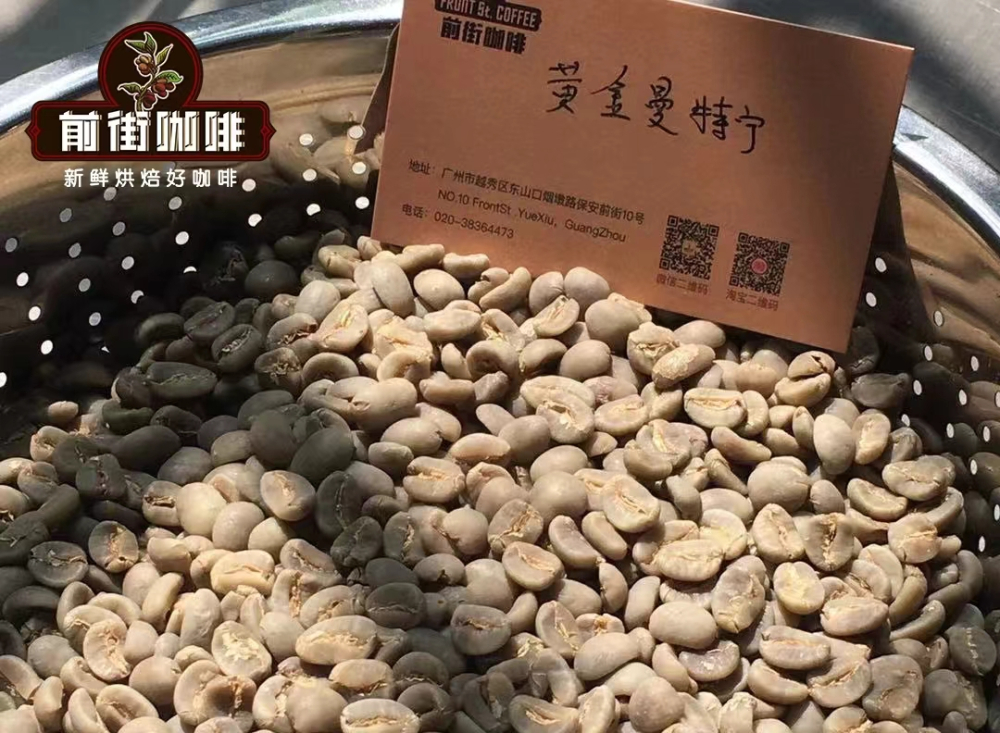
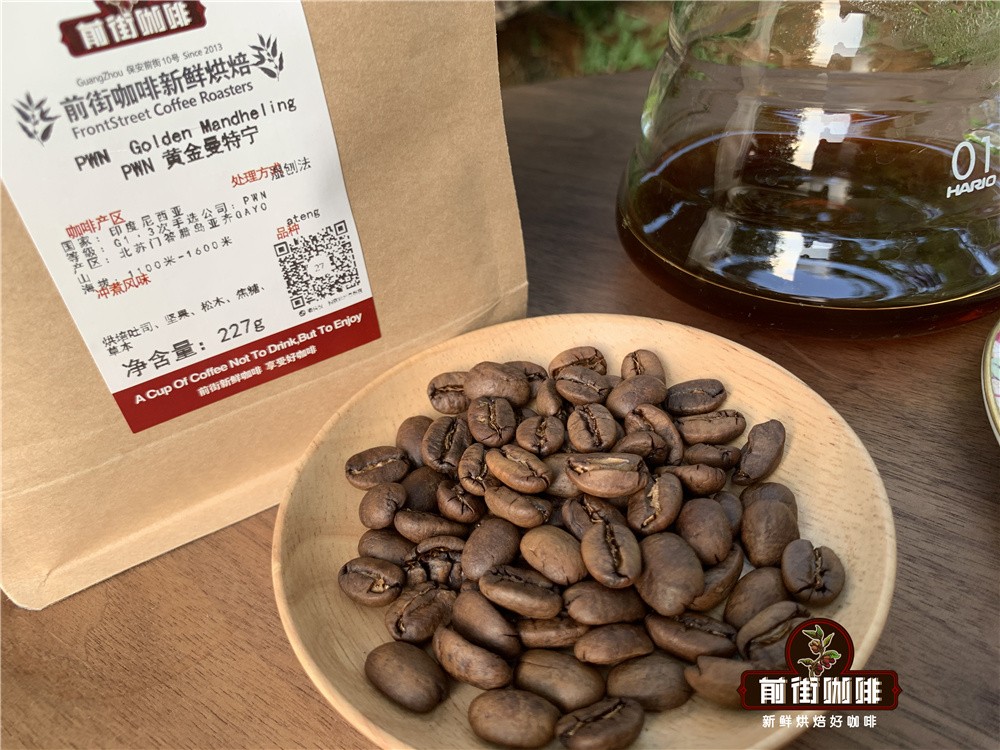
Sumatran Mandheling exhibits slight variations in flavor depending on the producing region and processing mill. For example, Mandheling from the Lintong region often features notes of toasted bread, nuts, caramel, and pine, offering a more balanced flavor profile. In contrast, Golden Mandheling from the Gayo Mountains is celebrated for its spicy, nutty, dark chocolate, and herbal aromas, with a richer and fuller mouthfeel. It’s worth noting that the widely recognized “Golden Mandheling” is actually produced by Indonesia’s PWN company, which meticulously selects G1 grade green beans, followed by one mechanical and three manual hand-sortings, resulting in an exceptionally low defect rate, uniform bean size, and consistent color—making it a recognized premium representation of Mandheling in the market.
Indonesia’s coffee grading system is primarily based on the number of defects and bean size, typically using the number of defects in a 300-gram sample to determine the grade, divided into six levels from G1 to G6, with G1 being the highest. Exporters usually label sacks with the origin country, grade, and green bean supplier information, such as “PWN GOLDEN MANDHELING TRIPLE PICKED Grade 1 PROD OF INDONESIA 30KGS NET.” It’s important to note that G1 grade Mandheling typically has an extremely low defect rate, with no more than 3 defects per 300-gram sample, and beans must be 18 mesh size or larger.
The so-called “Golden Mandheling” is a trademarked product launched by Indonesia’s well-known PWN (Pawani Coffee Company). The company applies stricter screening to purchased G1 grade Mandheling, in addition to mechanical sorting, it undergoes three rounds of manual hand selection to ensure the beans are neat in appearance and free of obvious defects. The final green beans are dark green in color and uniformly shaped, symbolizing the highest quality Mandheling in Indonesia. The Golden Mandheling sold in the industry comes from this company and includes official certification, delivering a clear and clean flavor profile with superior sweetness and aroma compared to regular Mandheling.
The unique flavor profile of Mandheling is inseparable from its distinctive “wet hulling” processing method. Also known as “Wet Hulling” or locally as “Giling Basah,” this method was developed by Indonesian coffee farmers as an economical and efficient way to process coffee in an environment characterized by high humidity, frequent rain, and limited sunlight. The process generally involves removing the coffee fruit’s pulp and fermenting it in water, then drying the mucilage-covered parchment beans in the sun for 1 to 2 days until the moisture content drops to 30–50%. The parchment layer is then removed while the beans are still semi-dry, and they continue to sun-dry until fully dry. Because hulling occurs at a semi-dry state, the beans are prone to mechanical pressure, often resulting in cracks that create the so-called “elephant foot” shape—an entirely normal phenomenon and not considered a defect.
Although this processing method tends to result in a higher defect rate, it also contributes to Mandheling’s unique characteristics: low acidity, full body, and distinctive earthy and spicy flavors. If you enjoy coffee with a bold mouthfeel and long-lasting aftertaste, Sumatran Mandheling is an unmissable choice.
For pour over brewing of Mandheling, the KONO filter cone is recommended due to its smooth curve and weaker airflow, which allows for a rounder and fuller extraction. The suggested water temperature is 88°C, with a coffee-to-water ratio of 1:15 (adjustable to 1:13 for a stronger flavor), and a grind size of approximately 75% passing through a #20 sieve, equivalent to a medium-coarse grind. Use a three-stage pouring method: start with a 30-second bloom using twice the coffee’s weight in water (about 30 grams), then pour in a circular motion with a slow stream until reaching 125 grams for the first pour. Continue pouring to 225 grams, then stop and let the cone drip for about two minutes before removing it to complete the brew. These parameters fully highlight Mandheling’s spicy, nutty, and caramel aromas, delivering a balanced and layered taste experience.
To brew a high-quality cup of Mandheling, the freshness of the beans is crucial. It is recommended to choose beans roasted within five days and allow them to rest for 4 to 7 days after receipt to fully develop their flavors. If purchasing pre-ground coffee, while it can be brewed immediately, the oxidation process is faster, resulting in a shorter flavor shelf life. For the best Mandheling experience, opt for whole beans and grind them fresh before brewing to truly appreciate its full flavor profile.
The above content is compiled by CoffeeHunters, a coffee news website.


