







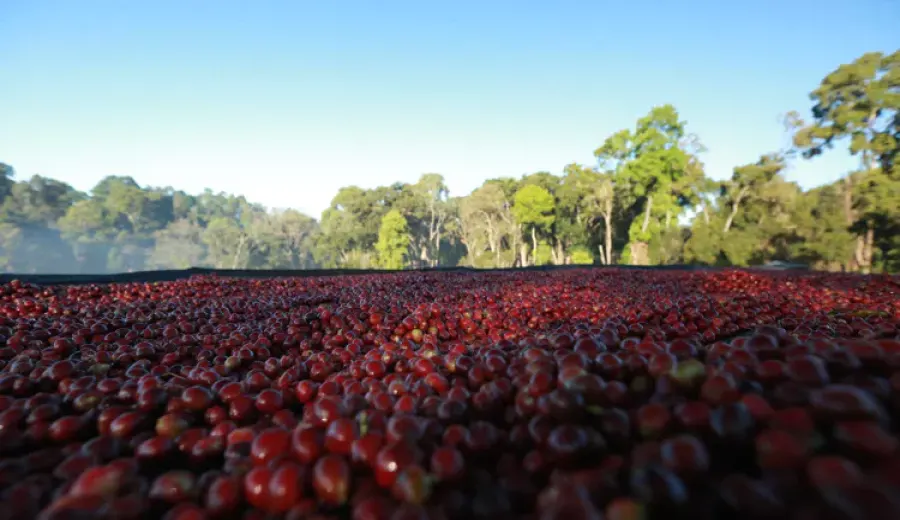
Introduction:As the oldest coffee processing method, the natural (sun-dried) process reflects the diverse flavor possibilities of coffee through its evolution. This article delves into the historical development and modern advancements of the natural process, starting with the Guji Hambella Huila from Ethiopia. We’ll explore the differences in quality, flavor, and processing techniques between traditional and refined naturals, and provide practical pour over parameters to help you better appreciate the charm of these deep berry-toned coffee beans.
In the world of coffee flavors, processing methods play a pivotal role, and the natural process, as the most traditional technique, represents a microcosm of coffee’s developmental history. From early simplistic sun-drying with high defect rates to today’s refined naturals that emphasize precision control and flavor expression, this journey not only showcases technological innovation but also reveals consumers’ growing demand for higher quality and sensory experiences.
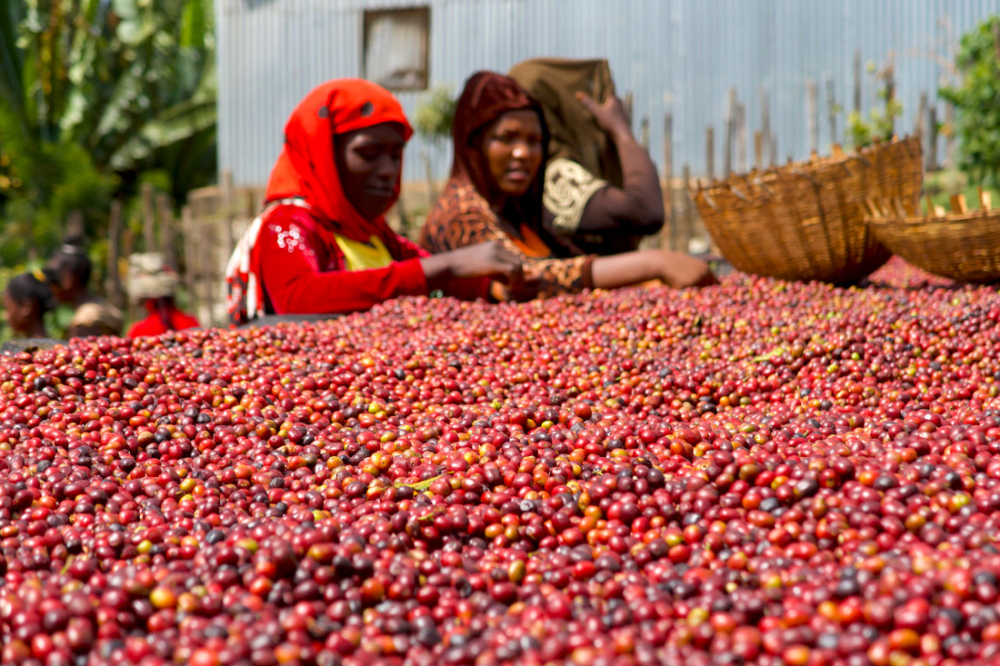
The basic principle of the natural process is to dry harvested coffee cherries with their fruit and seeds intact until the moisture content drops to a level suitable for storage, after which the outer layers are removed to obtain green coffee beans. Though seemingly primitive, this method allows the sugars and flavor compounds in the fruit pulp to penetrate the bean, resulting in intense fruitiness, a full body, and unique fermentation characteristics.
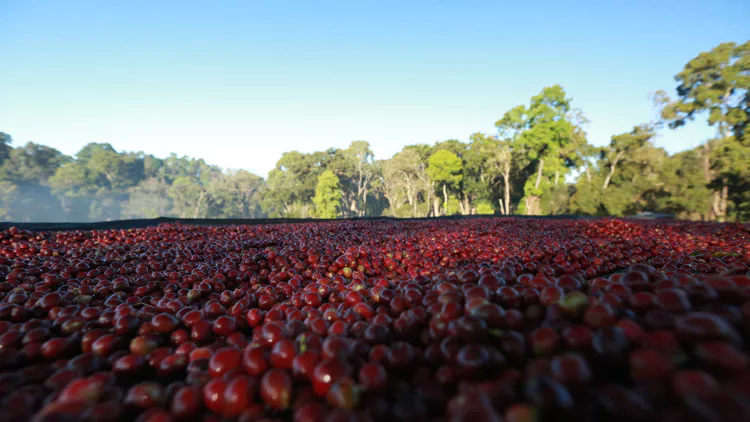
Early Ethiopian natural beans, due to the lack of standardized processing and equipment, often suffered in quality and consistency, and were thus typically classified as lower-grade. At the time, the industry graded beans based on the number of defects, with common G1 and G2 being high-grade beans with minimal defects, while most naturals could only reach G3 grade—that is, at least 13 defects per 300 grams—leading to low acceptance in export markets.
However, with continuous improvements in processing techniques, natural coffees from Ethiopia’s Sidama Guji region can now consistently achieve G1 standards, breaking past limitations. Among them, the Guji Hambella Huila is one of the most representative examples. This coffee not only boasts intense deep berry tones but also exhibits complex layers and a full body, with a rich mouthfeel and pleasant fermentation aromas that epitomize the refined natural process.
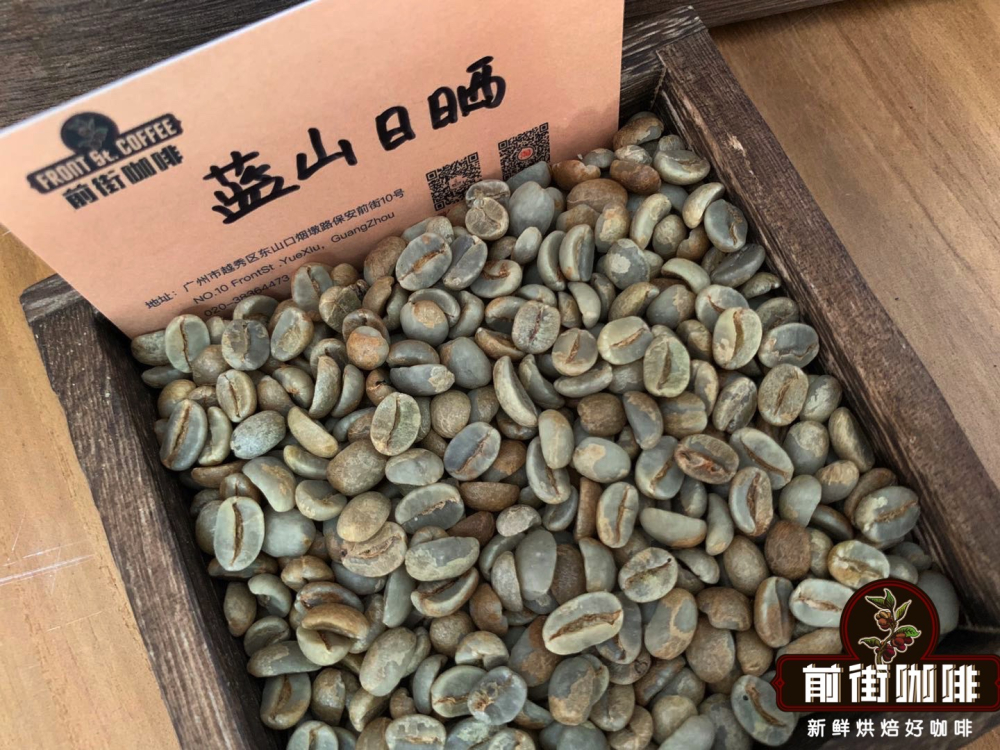
Interestingly, even the traditionally washed-process Blue Mountain region has gradually recognized the potential of the natural process. Starting in 2019, with professional technical support, Blue Mountain began experimenting with natural Typica, breaking away from its exclusively washed tradition. This shift highlights the market’s growing preference for natural flavors and confirms that well-managed natural batches can deliver profound and layered taste experiences.

Refined naturals, as the name suggests, involve additional control and selection steps on top of traditional methods. A typical approach is to harvest only fully ripe coffee cherries and ensure each fruit is undamaged. These cherries are then placed on raised beds for drying, which keeps them off the ground, reducing contamination and unwanted odors. Meanwhile, proper ventilation and sun exposure management enhance drying efficiency while preserving the natural sugars in the pulp, ultimately yielding a fruit-like sweetness and complex flavor profile.
Take the Guji Hambella Huila from Ethiopia’s Sidama Guji region as an example. This coffee, processed using the refined natural method, grows at high altitudes between 2,250 and 2,350 meters and belongs to local native varieties. In terms of flavor, it displays distinct notes of floral, jackfruit, dried fruit, and apricot, along with a strong juicy character. It’s a must-try for coffee lovers who enjoy fruit-forward and sweet profiles.
If you’d like to brew this type of natural bean at home, you can follow these tried-and-true pour over recommendations: Use a Hario V60 #01 filter, control the water temperature at 90–91°C, use about 15 grams of coffee, and aim for a 1:15 coffee-to-water ratio. The grind size is recommended to be around 80% passing through a Chinese standard No. 20 sieve, which helps balance the release of fruity acidity and a full body.
For specific brewing steps: First, pour 30 grams of water for a 30-second bloom to activate the coffee’s flavors; then pour 95 grams of water (total around 125 grams) within about 1 minute; when the water level drops to two-thirds of the coffee bed, pour the remaining 100 grams of water (total around 225 grams) over the next 1 minute 40 seconds to 1 minute 45 seconds. Keep the total dripping time between 2 minutes 00 seconds and 2 minutes 10 seconds, then remove the filter and complete the extraction.
The V60 filter, with its 60-degree conical design and clockwise spiral ridges, effectively directs water flow and accelerates filtration speed. Paired with higher water temperatures and a finer grind, it helps fully highlight the bright acidity and full body characteristic of natural beans, making it an ideal choice for showcasing the Huila’s flavor profile.
In summary, the natural process has evolved from its rudimentary early forms into today’s refined technique that emphasizes quality control and flavor expression. This progression not only elevates the sensory experience of coffee but also allows consumers to enjoy richer and more distinctive flavor profiles. Whether through traditional methods or modern refined techniques, natural coffee demonstrates a unique charm that every coffee enthusiast should savor.
The above content is compiled by CoffeeHunters, a coffee news website.


