








Introduction:Americano is simply made by diluting espresso with water, but its flavor profile can vary greatly depending on the water temperature. This article delves into the differences between hot Americano, room-temperature Americano, and iced Americano. Through experiments comparing how different water temperatures affect aroma, acidity, sweetness, and mouthfeel, it also provides professionally recommended ratios of espresso to water, as well as tips for controlling hot water temperature, helping you find the Americano preparation method that best suits your taste.
If they’re all just espresso diluted with water, why do hot Americano, iced Americano, and room-temperature Americano exhibit such distinctly different flavor profiles? The key lies in water temperature and sensory response during consumption. This article begins with the historical background of Americano coffee, and through practical brewing using three different water temperatures, it takes you through the unique expressions of aroma, acidity, and mouthfeel in hot, room-temperature, and iced Americano. It also offers practical extraction suggestions to help you make the best choice based on your personal taste preferences.
The origin of Americano coffee can be traced back to the period of World War II. At that time, American soldiers stationed in Europe generally found the intense flavor of Italian espresso too strong, so they would dilute it with additional water to reduce the overall concentration. Over time, this diluted drinking method made its way back to the United States and gradually evolved into what we now know as Americano. Later, as Italian coffee culture took root in North America, Americano became one of the staple beverages in Italian-style cafés. In the early days, it was often prepared by pouring espresso first and then adding water, symbolizing the concept of dilution, but today’s methods are more diverse, with the main difference lying in whether the crema is preserved and the overall flavor presentation.
To allow for a more intuitive comparison, we selected a classic dark-roast Italian blend coffee bean—composed of beans from Brazil, Indonesia, and Vietnam. This bean has a rich flavor and abundant crema, making it highly suitable for making various types of Americano. During the experiment, three shots of espresso were brewed under identical extraction conditions, then mixed separately with ice water (a mix of ice cubes and cold water), room-temperature water, and 88°C hot water. Detailed analyses were conducted across three dimensions: aroma, flavor, and mouthfeel.
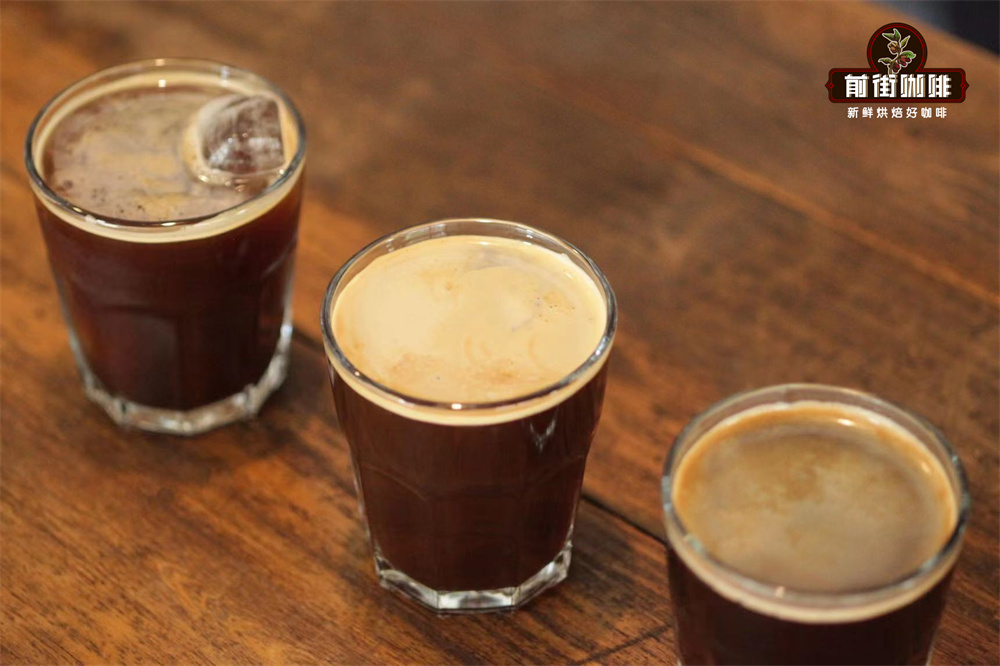
The extraction equipment used in the experiment was the Faema E78 espresso machine and the Faema 900N grinder, with the grind size set to 1.9. The double shot espresso extraction parameters were as follows: 20 grams of coffee grounds, approximately 35 grams of extracted liquid, and an extraction time of about 27 seconds. The resulting espresso had a clear layered flavor profile, featuring distinct notes of whiskey, milk chocolate, and vanilla cream, with a soft acidity and a lingering caramel aftertaste. In this experiment, the espresso-to-water ratio was 1:6—that is, 1 gram of coffee liquid paired with 6 grams of water. This ratio is widely applicable to the preparation needs of most Americanos.
[Iced Americano Preparation Method] First, prepare 110 grams of ice cubes and 100 grams of room-temperature water, mix them evenly, and then pour in 35 grams of freshly extracted espresso. Since the ice cubes will gradually melt during consumption, it is recommended to gently stir before drinking to ensure a more uniform flavor.The characteristic of iced Americano is that its overall aroma is less pronounced, but its acidity is the most distinct, offering a bright, berry-like tartness paired with whiskey notes and a subtle hazelnut chocolate aftertaste. The mouthfeel is refreshing and smooth, making it especially suitable for summer or for those who prefer a brighter acidity.
[Room-Temperature Americano Preparation Method] Pour the freshly extracted 35 grams of espresso directly into a cup, then add 210 grams of room-temperature water to complete the drink. This method helps preserve a more intact layer of coffee crema and reduces crema loss caused by temperature differences.Although the aroma of the room-temperature version is not as bold as that of the hot Americano, its acidity is softer, and the mouthfeel is smooth and silky, with a slight hint of vanilla creaminess, along with nutty and caramel undertones. The overall balance is excellent, making it suitable for most everyday drinking scenarios.
[Hot Americano Preparation Method] Pour 35 grams of espresso into a cup, and it is recommended to add about 210 grams of water at around 88°C. Be careful not to exceed 90°C, as higher temperatures may extract excessive bitter and burnt compounds, negatively affecting the overall flavor.The most distinctive feature of hot Americano is its vivid aroma, especially the particularly vibrant whiskey notes. The flavor profile is dominated by hazelnuts and caramel, with a prominent expression of the coffee’s richness. It is ideal for those who enjoy intense flavors and layered aromas. Additionally, drinking it hot helps you perceive the flavor transitions as the coffee cools from high temperature.
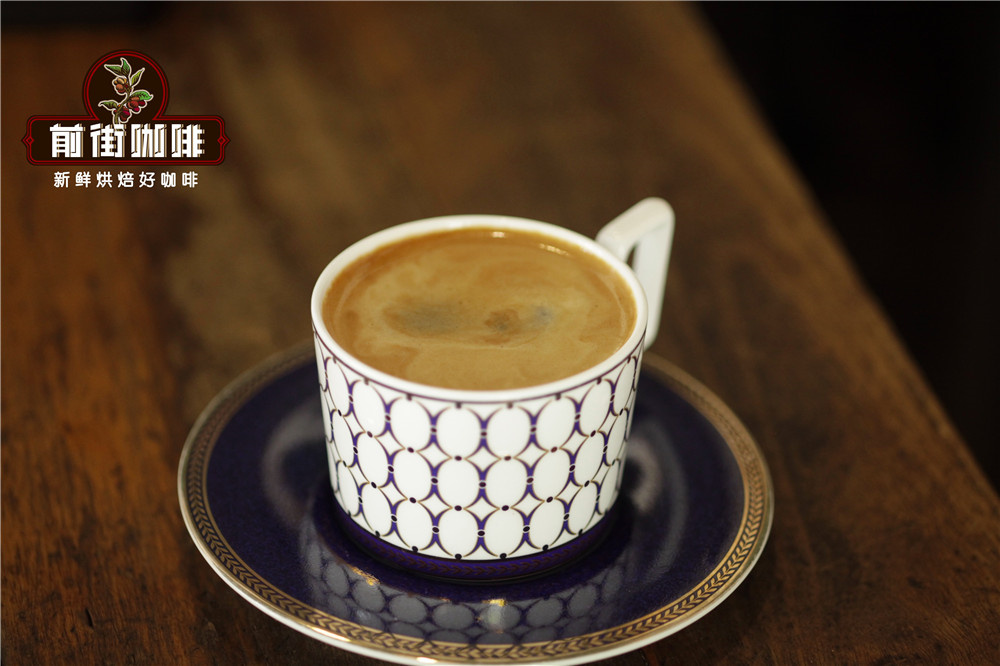
In summary, Americano coffee at different water temperatures each has its own strengths: hot Americano showcases rich aromas and a full-bodied mouthfeel, perfect for savoring slowly; room-temperature Americano offers excellent balance, suitable for everyday enjoyment; while iced Americano stands out with its fresh acidity and refreshing mouthfeel, especially ideal for hot weather. Human taste perception differs when it comes to flavors at various temperatures—for example, hot drinks tend to highlight sweetness and aroma, while cold drinks suppress sweetness and enhance acidity. Therefore, choosing between hot, room-temperature, or iced Americano depends on the coffee flavor and mouthfeel you wish to experience at the moment. Master the espresso-to-water ratio and the recommended hot water temperature, and you’ll be able to easily brew your ideal cup of Americano.
The above content is compiled by CoffeeHunters, a coffee news website.


