








Introduction:Washed Yirgacheffe is the top choice for many coffee enthusiasts when starting their journey into specialty coffee. Its clean, bright acidity and delicate floral notes are unforgettable. This article delves into the unique flavor profile of this classic regional bean and offers practical pour over brewing parameters, including grind size, water temperature, and pulse pouring techniques, to help you fully highlight its citrus, floral, and tea-like layers. Whether you're a beginner or an advanced coffee enthusiast, you’ll find useful inspiration here.
Yirgacheffe, a small town in Ethiopia, has long become one of the benchmark regions in the specialty coffee world. The washed beans produced there are renowned for their high level of bright acidity and refined fruity and floral characteristics, serving as many coffee lovers' first window into African beans. What’s the best way to brew washed Yirgacheffe? And what key flavor traits should you pay attention to? The following will give you a comprehensive overview.

Ethiopia is a globally renowned birthplace of coffee—not only does it rank among the top in production, but it is also the origin of many famous single-origin coffees. Within Ethiopia’s coffee system, there are four main production models: forest, semi-forest, garden, and large plantation. Among these, garden coffee is the most common. Smallholder farmers usually own at least four hectares of planting area, and after harvest, the cherries are sent to nearby washed processing stations for unified processing, then sold under the name of the processing station to ensure stable quality and traceability.
Coffee culture is deeply rooted in Ethiopian society—it is not just an indispensable part of daily life, but also carries social and ceremonial significance. From household coffee setups to the traditional Yirgacheffe coffee ceremony, all demonstrate the country’s deep appreciation for coffee. Especially in the washed Yirgacheffe producing regions, the fresh and delicate flavors have become a source of pride for local coffee farmers.
Yirgacheffe itself is a town in Ethiopia located at an altitude of about 1700 to 2200 meters, with a cool climate, moderate humidity, and frequent cloud cover. This creates an environment ideal for coffee to ripen slowly and accumulate flavor compounds. Originally part of the Sidamo region, it later became its own distinct zone due to its distinctive flavor characteristics. The coffee produced here is known for its bright acidity, delicate floral notes, and citrus tones, making it a star product in the specialty coffee market.
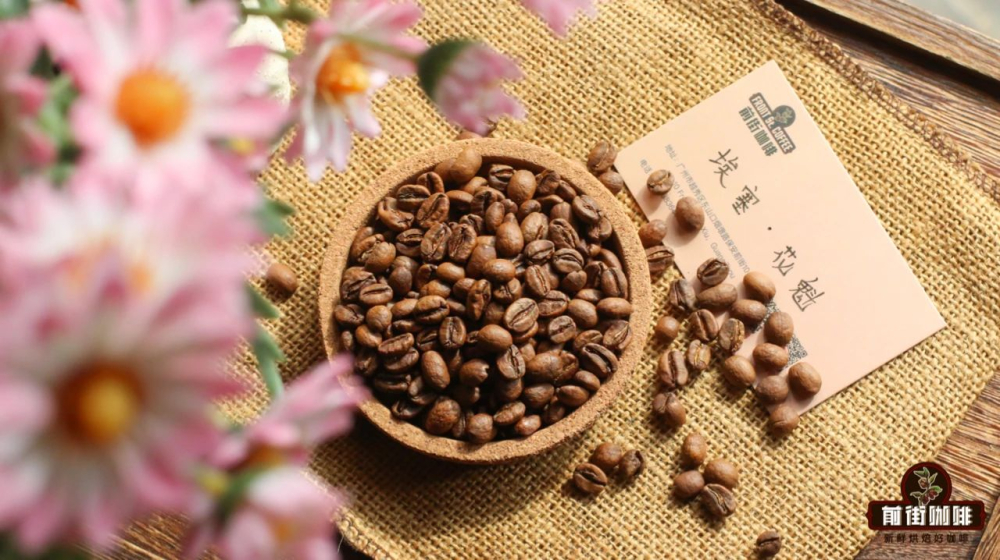
When talking about washed Yirgacheffe, one cannot overlook its post-harvest processing method. In 1972, Ethiopia introduced washed processing technology from Central and South America. Through a rigorous process of pulping, fermentation, washing, and drying, it significantly reduces the percentage of defective beans while highlighting the coffee’s bright acidity and floral and citrus aromas. Compared to the natural sun-dried method, the washed process gives Yirgacheffe a cleaner, brighter, and more layered flavor profile, beloved by coffee enthusiasts worldwide.
Washed Yirgacheffe is usually roasted to a medium-light level to preserve the maximum amount of its original flavors. It is recommended to use a V60 or similar filter with good airflow to fully showcase its vibrant acidity and aroma. In terms of grind size, a medium-fine grind is suggested—approximately 78% passing through a Chinese standard No. 20 sieve—which balances extraction efficiency and flow rate, helping to avoid over-extraction or under-extraction.
In actual pour over brewing, it is recommended to control the water temperature between 92–93°C, which effectively highlights citrus, lemon, and green tea notes, while avoiding overly sharp acidity caused by high temperatures. The coffee-to-water ratio can be adjusted according to personal taste between 1:15 and 1:16. If you prefer a richer taste, choose 1:15; if you want a clearer and more expanded flavor, 1:16 is recommended.
It is recommended to use a three-stage pouring technique: the first stage involves blooming with twice the coffee’s weight in water (about 30g) for around 30 seconds to activate aroma release; the second stage uses a slow stream to pour in a circular motion from the inside out until reaching 125g; after the coffee bed drops, the third stage continues pouring to 225g, with a total extraction time of approximately 2 minutes. This method helps to gradually bring out the multi-layered flavors of Yirgacheffe—from bright fruit acids to the berry and sugarcane sweetness in the aftertaste.
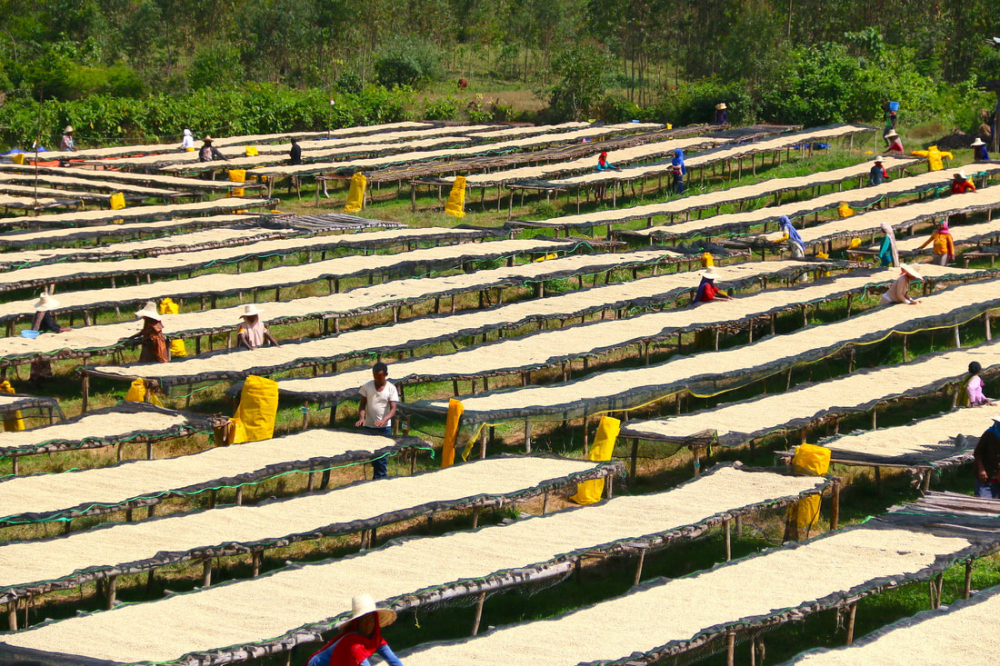
In terms of flavor profile, when brewed properly, washed Yirgacheffe can exhibit delicate aromas such as honey and jasmine, gradually releasing berry and citrus notes as hot water is poured. On the palate, it is dominated by lemon, green tea, and citrus tones. As the temperature cools, berry, cream, and sugarcane aftertastes gradually emerge. The overall mouthfeel is clean and refreshing, with a distinct lingering sweetness—making it a classic representation of Ethiopia’s refined coffee flavors.
Common issues include the coffee tasting only sour or flat and lacking complexity, which is often related to coffee bean freshness, water temperature control, or grind coarseness. It is recommended to use freshly roasted beans within five days and to be mindful that water temperature should not be too low, otherwise flavor compounds may not be fully released. Additionally, pouring too quickly or using a stream that’s too strong can easily lead to uneven extraction, affecting the final cup quality.
In summary, washed Yirgacheffe is a classic bean variety that fully showcases the essence of Ethiopian coffee. With the right pour over parameters and techniques, it can fully express its bright citrus acidity, delicate floral notes, and the sweet, layered aftertaste. Whether you’re a beginner or an experienced coffee drinker, it’s a specialty coffee experience worth trying.
The above content is compiled by CoffeeHunters, a coffee news website.


