








Introduction:When you first walk into a coffee shop, do you feel confused about the differences between Americano, latte, and cappuccino? These three classic coffees all use espresso as their base, but they showcase unique flavors and textures due to variations in the proportions of milk, water, and milk foam. This article provides a detailed breakdown of the differences among them — from structural composition and historical evolution to actual brewing parameters — and also includes practical brewing tips. Whether you’re ordering in a café or brewing at home, you can make the best choice based on your preferences.
In any coffee shop, the menu commonly features Americano, latte, and cappuccino. While they may all appear to be either black coffee or coffee with milk, they actually differ significantly in proportions and taste. All three of these classic coffees use "espresso" as their base, and by adjusting the ratios of water, milk, and milk foam, they form distinctly different flavor profiles and sipping experiences.
To truly understand the differences among them, let’s analyze them step by step — from their basic structures and historical backgrounds to the details of actual extraction and preparation. This will help you select or brew your preferred flavor more precisely, whether you’re ordering or making coffee at home.

Americano: Simple Yet Versatile Classic
The so-called Americano, as the name suggests, is closely related to American drinking habits. In early Europe, especially in Italy, coffee was mainly consumed as espresso — strong and quick. However, during World War II, American soldiers stationed in Italy weren’t accustomed to this intense coffee, so they developed the habit of diluting it with hot water. Later, this “watered-down espresso” spread to America through migration and cultural exchange, gradually evolving into what we now know as the Americano.
In coffee shops, an Americano is typically made with one shot (about 30 ml) or two shots (about 60 ml) of espresso, mixed with hot water in a ratio of approximately 1:5 to 1:8. In other words, using one shot of espresso results in a total volume of about 180–240 ml, with a coffee-to-water ratio of roughly 1:5 to 1:8, which can be adjusted to taste.
Latte: A Symphony of Milk and Coffee
The word “latte” in Italian actually means “milk.” If you order just a “Latte” in Italy, you might simply get a glass of plain milk. To order the coffee version, you should ask for a “Caffè Latte,” meaning “coffee with milk.”
Traditional lattes didn’t have milk foam — they were simply a mix of hot milk and espresso. With the advancement of coffee machine technology, especially the popularization of steam milk heating and frothing functions, lattes gradually evolved to consist of three layers: espresso at the bottom, hot milk in the middle, and a thin layer of delicate foam on top. This structure not only affects the appearance but also directly influences the layered experience while sipping.
In standard latte preparation at most coffee shops, one or two shots of espresso (about 30–60 ml) are used as the base, along with about 200–250 ml of hot milk and a small amount (about 1–2 cm thick) of thin milk foam, resulting in a total volume of around 300 ml.
Cappuccino: The Art of Balancing Foam and Coffee
The name “cappuccino” originates from the brown habits worn by 16th-century European Catholic “Capuchin monks.” The visual effect of white milk foam surrounding the dark coffee crema resembles a monk’s hood, hence the name. This coffee predates even the modern espresso machine, with origins traceable back to the 1930s.
The traditional cappuccino follows a classic “1:1:1” ratio — equal parts coffee, milk, and foam. For example, using an 180 ml cup, it typically consists of one or two shots of espresso (about 60 ml), combined with equal amounts of hot milk and foam, with the foam thickness around 2–2.5 cm. This ratio allows each sip to balance the flavors of coffee, milk, and foam. However, due to the thicker foam, the first few sips often consist of the dense foam.
With the popularization of modern espresso machines — which operate at 9 bar pressure and extract more intense espresso with rich crema — cappuccinos today usually use a single shot of espresso (about 30 ml) as the base. The total volume remains around 180 ml, but the foam thickness is adjusted to 1–2 cm. This makes the overall texture smoother and allows for a clearer appreciation of the coffee’s aroma.
Summary of the Core Differences Among the Three Coffees
In simple terms, the basic compositions can be summarized as follows:
• Americano = Espresso + Water
• Latte = Espresso + Milk + Thin Milk Foam
• Cappuccino = Espresso + Milk + Thick Milk Foam
In terms of category, the Americano is a black coffee, while the latte and cappuccino are classified as milk coffees, suitable for those who enjoy the aroma of milk and a softer taste.
Practical Flavor and Brewing Parameter Reference
When it comes to actual tasting, the choice of coffee beans and roast level greatly influence the final flavor profile. For instance, blends that include Robusta beans often deliver a richer body and crema, making them suitable for use as espresso bases to enhance the overall flavor complexity.
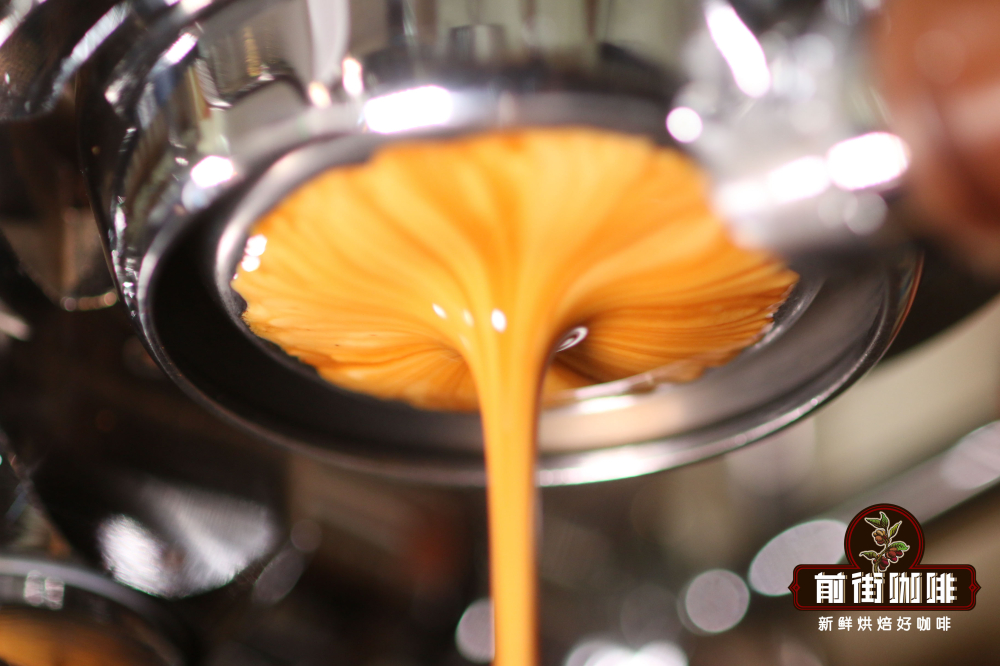
Taking common extraction parameters as an example, espresso is generally recommended to use 20 grams of coffee grounds to extract 40 grams of espresso, with a 1:2 powder-to-liquid ratio and an extraction time of about 30 seconds. Based on this, various drinks can be prepared:
• Americano: 40 grams of espresso + 180 ml of hot water, total volume about 220 ml
• Latte: 40 grams of espresso + 210 ml of hot milk + thin milk foam, total volume about 250 ml
• Cappuccino: 40 grams of espresso + 150 ml of hot milk + thick milk foam, total volume about 180–200 ml, with foam height of about 1–2 cm
By mastering these basic ratios and parameters, whether you’re ordering at a coffee shop or trying to brew at home with a semi-automatic machine, you’ll have clearer direction — and can further adjust the espresso ratio or milk temperature to your liking to find your perfect cup.

The above content is compiled by CoffeeHunters, a coffee news website.


