







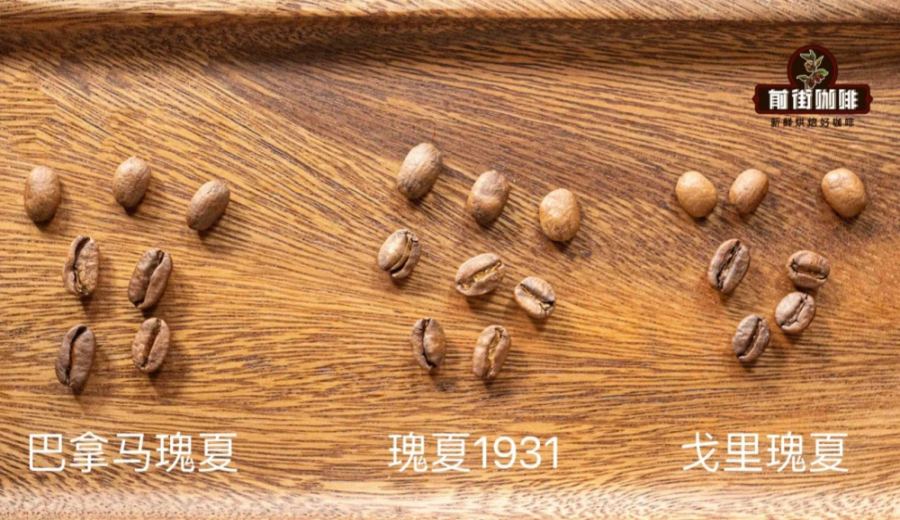
Introduction:The Red Label Geisha from Panama’s Hacienda La Esmeralda is regarded as one of the finest examples in the specialty coffee world. This article provides a detailed exploration of the origins and global journey of the Geisha variety, delves into how Hacienda La Esmeralda classifies its beans into Red Label, Green Label, and Blue Label tiers based on altitude and cupping standards, and introduces the cultivation and processing characteristics of 90+ (Ninety Plus) Geisha. It also includes practical information on specific bean lots, such as their processing methods, growing altitudes, and flavor profiles, helping you understand the core differences between Hacienda La Esmeralda’s Red Label Natural and 90+ Geisha in terms of flavor expression, processing techniques, and roasting recommendations.
Geisha (formerly translated as Artisan or Geisha), has become one of the most celebrated coffee varieties in the specialty market in recent years, with the Red Label Geisha from Hacienda La Esmeralda being the most iconic representation. To trace its rise to fame, we must go back to the 2004 Best of Panama cupping competition. That year, this coffee took first place and continued to dominate the competition until 2007, thereby establishing Geisha’s premier status within the specialty coffee community.
Although Geisha is now closely associated with Panama, its genetic roots actually lie in the Gesha Mountain region of southern Ethiopia, at an altitude of approximately 1,700 to 2,100 meters, which is known as one of the world’s most renowned gene banks for wild coffee varieties. Interestingly, this exceptional variety ultimately flourished in Panama rather than in its place of origin — a topic that remains a subject of discussion in the industry.
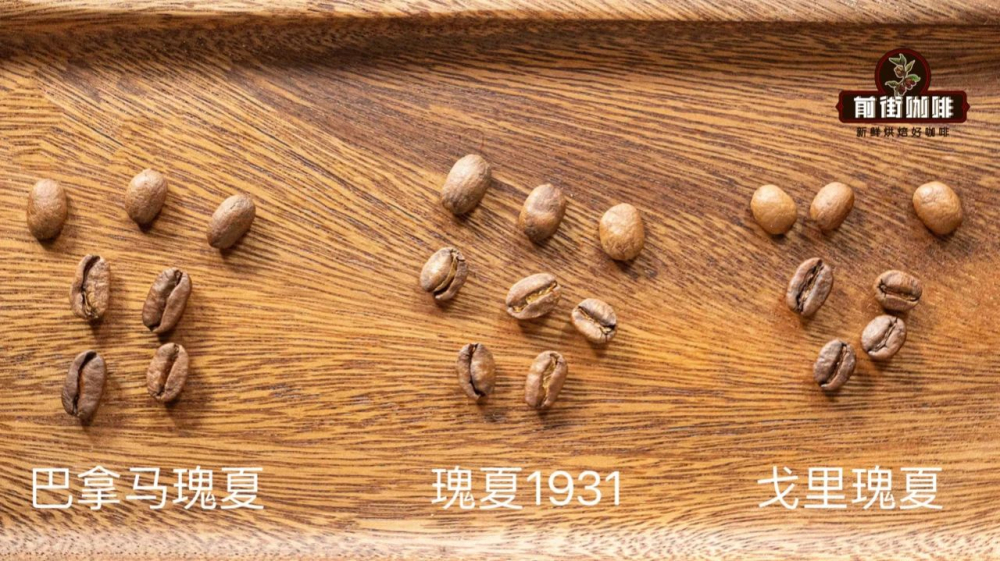
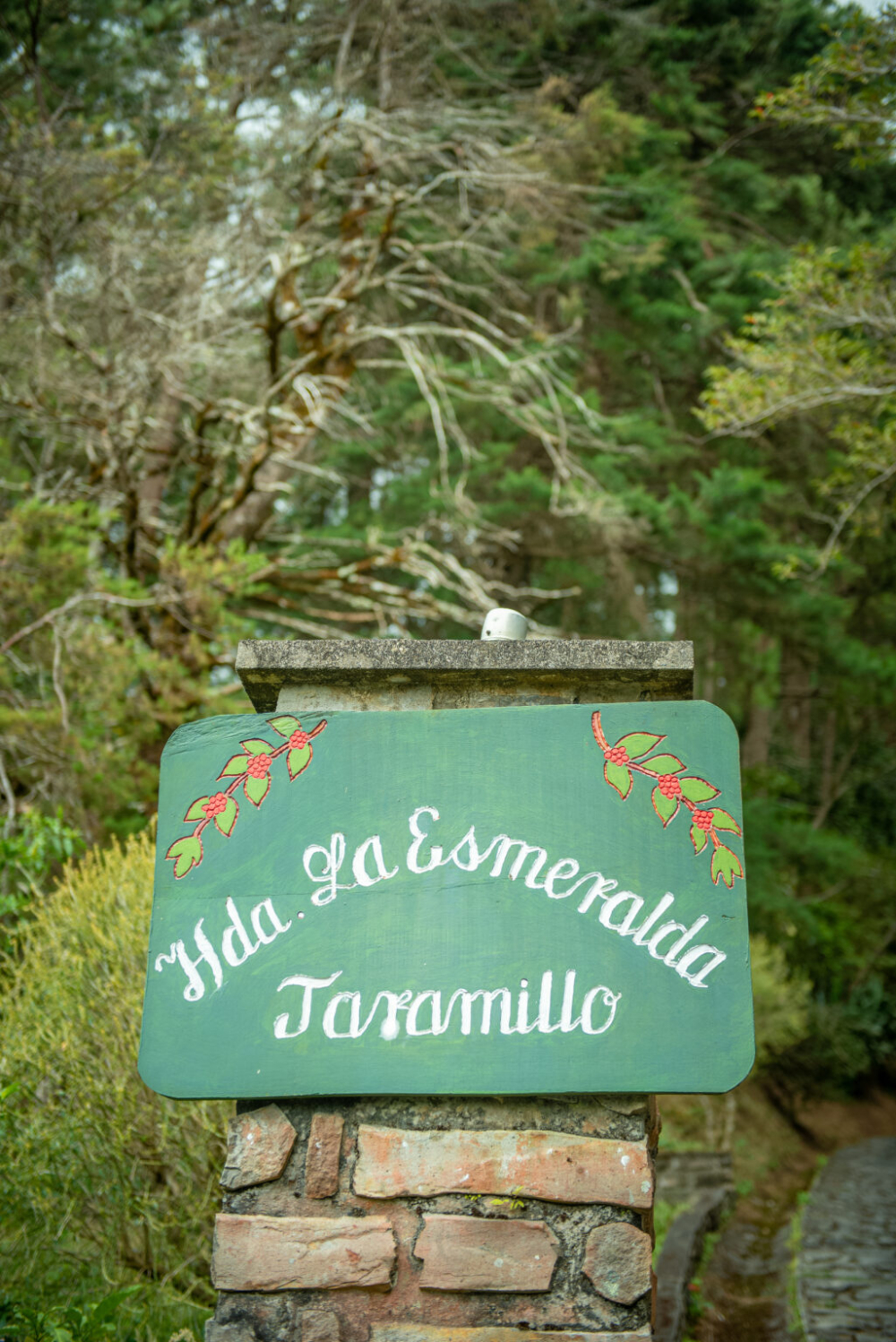
Historical records indicate that Ethiopia once recognized Geisha’s outstanding disease resistance and suitability for varietal improvement. However, due to limited flavor documentation at the time and underwhelming yield performance, Geisha was initially overlooked. It wasn’t until years later that it was rediscovered at the Jaramillo Estate in Panama. This estate was managed by the Peterson family, who are also the driving force behind today’s Hacienda La Esmeralda. In 1996, they acquired the entire estate, drawn by its natural environment and potential.
At the time, the coffee from Jaramillo Estate exhibited unusual floral and fruity aromas, but the Peterson family couldn’t initially determine the source. Through cupping individual trees, they eventually identified a specific block originally used as a windbreak as the source of the distinctive flavors. These trees were then managed separately and entered a cupping competition in 2004, where they gained instant fame, making the name “Geisha” known worldwide.
What makes Geisha so captivating is its richly layered flavor profile: bright acidity reminiscent of lemon and citrus, aromatic notes of jasmine and white flowers, paired with sweet sensations of mango, berries, and creamy textures — all of which leave a lasting impression. These qualities have led coffee growers around the globe to cultivate the variety, though its expression can vary significantly depending on the environment.
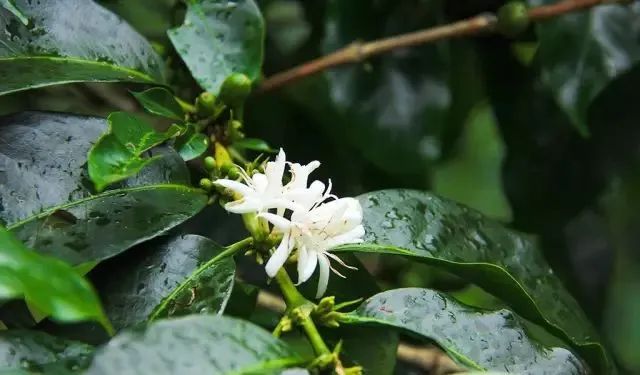
Factors such as altitude, climate, soil, processing methods, and harvest timing can all influence the final flavor. For instance, Geisha grown in Panama, Colombia, and Ethiopia — even though it is the same variety — each exhibit distinctly unique characteristics.
To help consumers better understand the different grades and distinctions of Geisha, Hacienda La Esmeralda established a classification system based on altitude and cupping scores. They found that Geisha grown above 1,400 meters tends to express the full range of premium characteristics, leading them to further divide their offerings into three tiers: Red Label, Green Label, and Blue Label.
Among these,the Red Label Geisha represents the highest grade,grown at altitudes between 1,600 and 1,800 meters. Not only can these beans be traced to specific plots, but they also offer refined and complex flavor profiles. The Red Label is divided into auction lots and non-auction lots, with the auction beans only available through global auctions, making them highly collectible and premium-quality offerings.
The Green Label Geisha does not specify exact plots, but its altitude and overall quality remain close to that of the Red Label, with more accessible pricing, while still delivering the classic Panamanian Geisha experience. As for the Blue Label, which originally came from beans grown around 1,500 meters and was the most affordable option, it has since been discontinued.
Aside from Hacienda La Esmeralda, another brand that holds significant representation in the Geisha space is 90+ (Ninety Plus). Founded in 2006 in Ethiopia by Joseph Brodsky, 90+ is known for its commitment to producing beans that score 90 points or higher in cupping evaluations. When it first launched in early 2007, its coffees stunned the market with their extraordinary flavor profiles.
90+ established the Ninety Plus Geisha Estate in Panama and employs a variety of innovative processing methods, giving each coffee lot a unique name and flavor direction. For example, Juliette evokes a romantic and elegant image, while others like Drima Zede and Danch Meng draw inspiration from local slang or playful English translations.
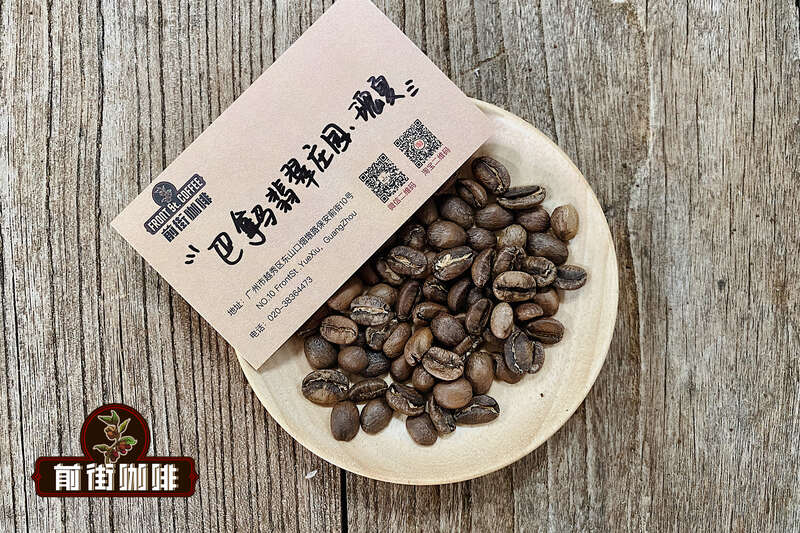
Hacienda La Esmeralda’s Red Label Geisha typically employsthe Natural (sun-dried) processing method.In a specific example, beans from the Canas Verdes block in the Boquete region, grown at over 1,700 meters and processed using the Natural method, exhibit flavors of lemon, honey, berries, orange peel, mango, and creamy sweetness. These beans are best suited for medium-light roasting to highlight their bright fruitiness.
In contrast, 90+ Geisha lots such as the Eleta batch use special processing methods, sourced from the Volcán region at altitudes ranging from 1,400 to 1,800 meters. Their flavor profile leans towards pronounced fermentation notes and caramelized layers, often described with terms like bergamot, sweet orange, pineapple, longan, dried fruit, and subtle caramel aromas. A medium roast is recommended to enhance their richness and complexity.
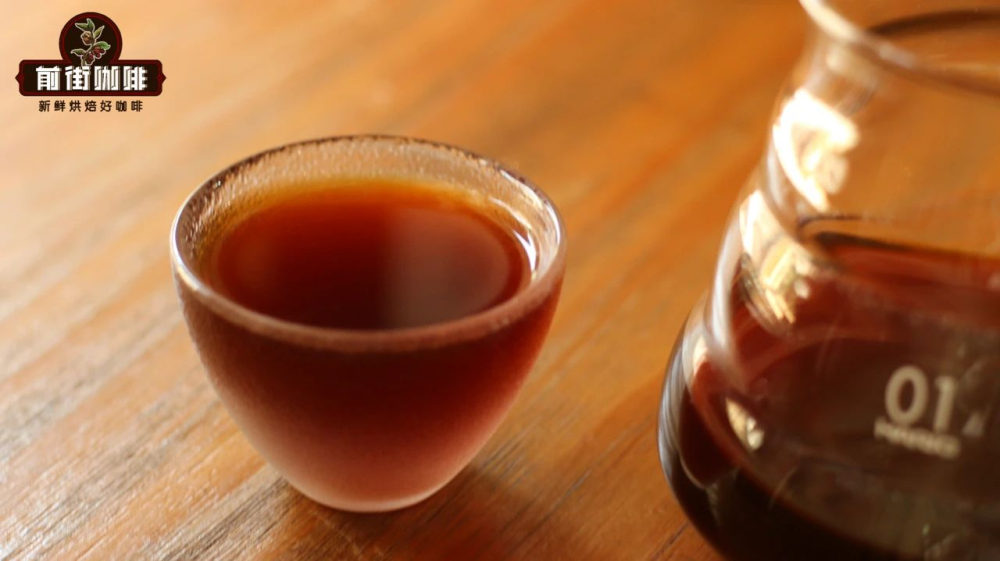
In terms of actual tasting experience, Hacienda La Esmeralda’s Red Label Natural offers a clean, layered flavor with bright acidity and almost no noticeable bitterness — like sipping a fruit-forward herbal tea. On the other hand, 90+ Geisha showcases a more intense fermentation character with a lingering finish, appealing to coffee enthusiasts who enjoy deep, complex flavors and aromas.
The above content is compiled by CoffeeHunters, a coffee news website.


