







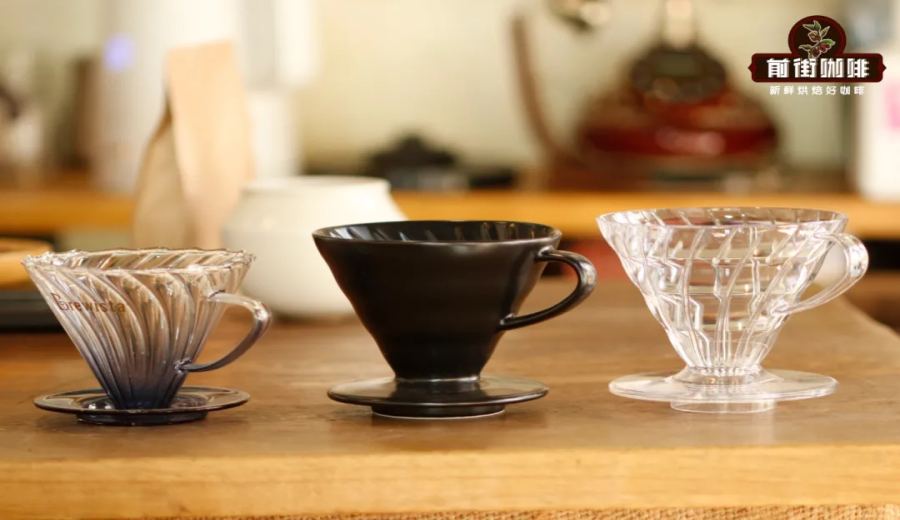
Introduction:When beginners are selecting a home pour over coffee setup, they’re often overwhelmed by the three material options for V60 drippers: resin, glass, and ceramic. These materials not only vary greatly in price, but also significantly impact heat retention, flow rate, and ultimately the flavor of the brewed coffee. Based on empirical data, this article delves into how different dripper materials affect temperature changes during preheating and non-preheating conditions, explores their influence on extraction efficiency and flavor profiles, and provides practical purchasing advice tailored to different roast levels and taste preferences.
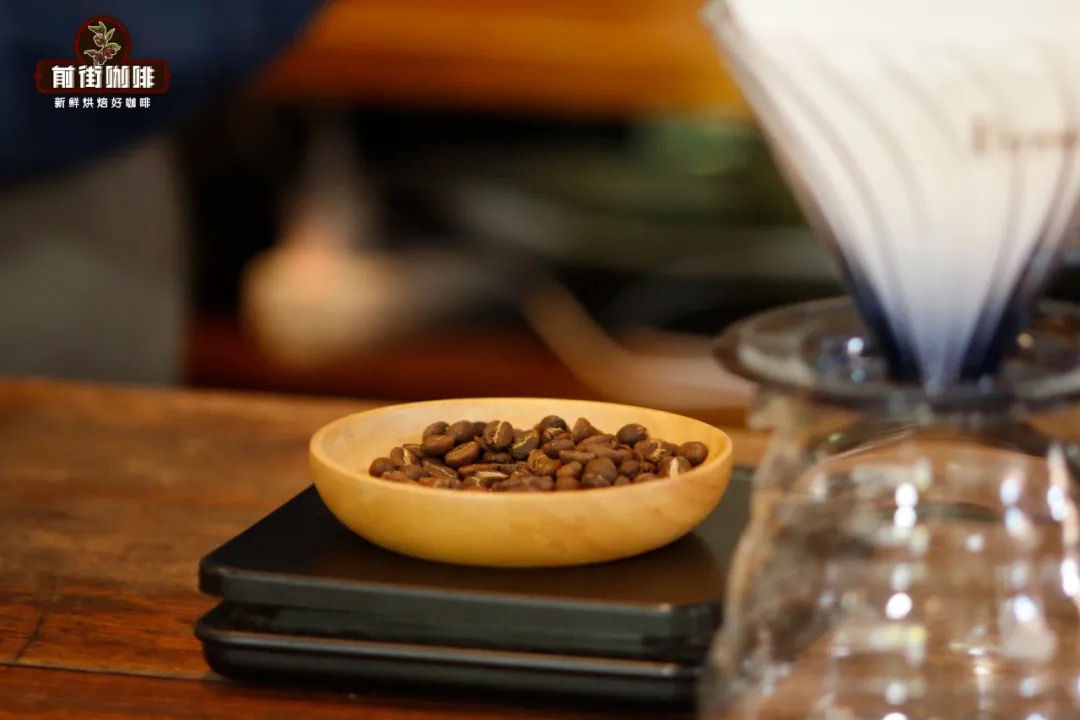
Walking into a coffee equipment store, you’ll find shelves lined with various V60 drippers in a range of materials—resin, glass, ceramic—and with wildly differing prices. This often leaves many newcomers puzzled: “I just want to buy a dripper, why are there so many choices?” In truth, these materials differ not only in appearance but also play a crucial role in coffee extraction. Recently, in response to common reader questions, we specifically used Ethiopian Yirgacheffe Guji Dingding washed beans, with standardized parameters including 15g of coffee, 91°C water temperature, medium-fine grind (similar to granulated sugar), a 1:15 coffee-to-water ratio, and a two-stage pour over method. We tested the extraction performance of the three dripper materials, analyzing everything from temperature variations to flavor differences.
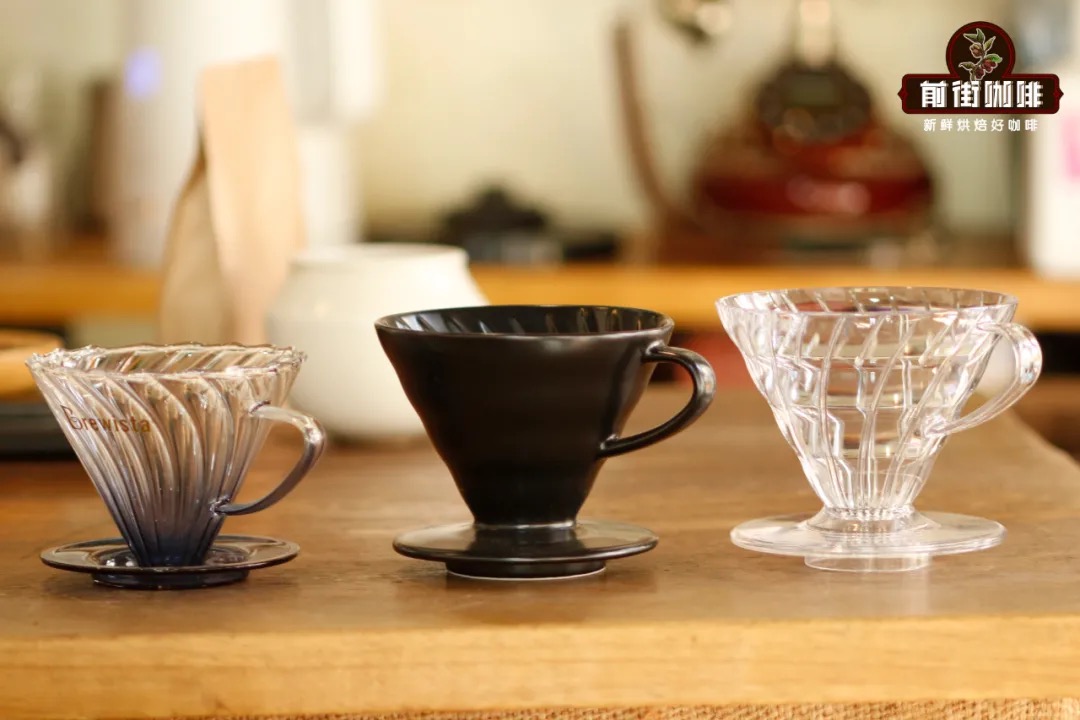
Let’s first take a look at the core differences among these three mainstream materials. The V60 drippers available on the market are mainly divided into resin, glass, and ceramic types, with their biggest differences lying in heat retention capability and flow characteristics. There are also materials like aluminum and brass, but due to their higher prices or less common usage, we won’t go into detail about them here. This test used fixed parameters to allow the three dripper types to demonstrate their unique characteristics under the same conditions, helping you find the one that suits you best.
[Unveiling Heat Retention Performance] Preheated vs. Non-Preheated Makes a Big Difference
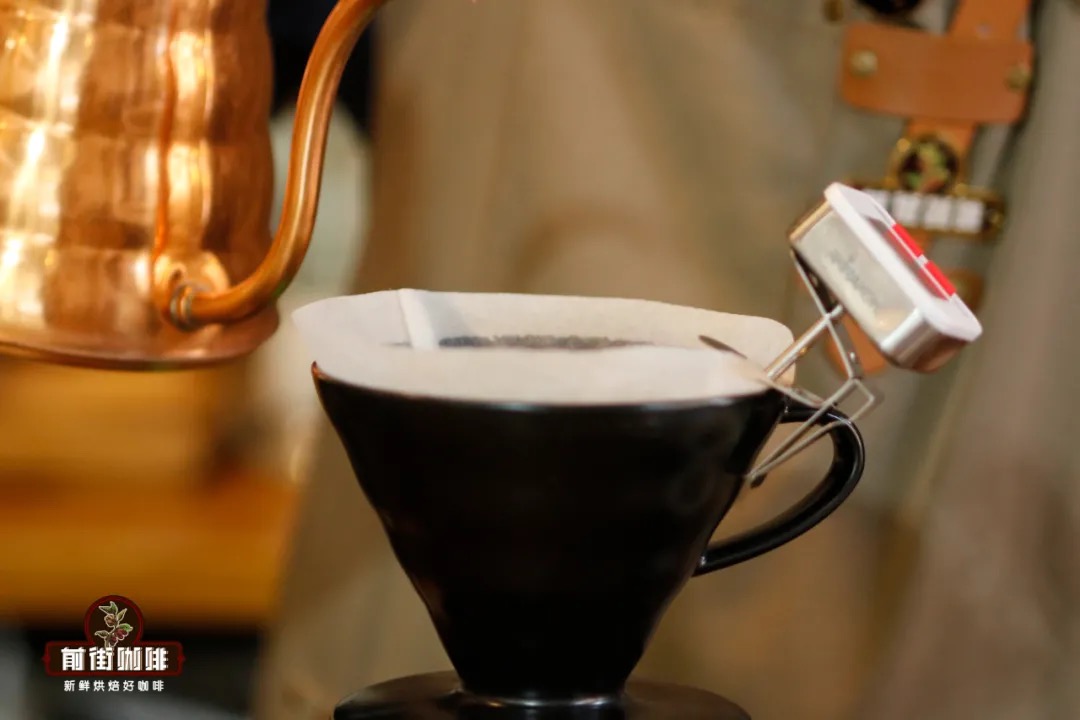
The tests were conducted under two scenarios: “dripper not preheated” and “dripper fully preheated,” recording the temperature of the coffee bed after pouring in the grounds, the temperature during the bloom phase, the temperature during pouring, and the final temperature of the brewed coffee. The results showed that:Ceramic drippers exhibit the best heat retention performance, but only if they are preheated evenly. Due to the nature of ceramic material, which absorbs heat relatively slowly and has thicker walls, achieving a stable temperature requires more thermal energy. In contrast, glass drippers, whether preheated or not, slightly outperform resin in maintaining a consistent temperature, offering a more stable extraction environment. They don’t heat up as slowly as ceramic, nor do they experience as much temperature fluctuation as resin.
As for resin drippers, they rank last in heat retention, but their characteristic is “stability”—regardless of whether they are preheated, the coffee bed temperature remains relatively consistent throughout the brewing process. However, this doesn’t mean they perform poorly, just that their characteristics are different.
[Flavor Differences: Layered vs. Full-Bodied]
In terms of actual flavor performance,coffee brewed with resin and glass drippers exhibits a richer layering of flavors, while ceramic drippers deliver a fuller-bodied mouthfeel, though the finish can occasionally carry a slight grassy or astringent note. This is directly related to how different materials influence temperature. Aromatic compounds in coffee are released as temperature changes. Resin and glass dissipate heat more quickly, causing the temperature to rise during pouring and drop when pouring stops, creating a “wave-like” temperature fluctuation that helps extract a diverse range of flavors. Ceramic drippers, on the other hand, due to slower flow, a higher and more stable overall temperature, and minimal temperature variation, result in a more concentrated flavor profile—but may also lead to over-extraction due to excessive temperature stability.
[Flow Rate Performance: Speed Affects Extraction Rhythm]
Although all three drippers feature a spiral ribbed design with ridges extending from the rim to the bottom outlet hole to help release coffee grounds’ CO₂, subtle differences still affect flow rate. Empirical observation found that:Resin and glass drippers have more pronounced ribbed textures, and when the filter paper is wet, they create larger gaps between the paper and the dripper wall, which helps enhance flow rate. This makes them suitable for brewing beans that benefit from a richer flavor profile and faster flow. Ceramic drippers, with their smoother, more rounded ribs, allow the filter paper to adhere more closely to the dripper wall after wetting, reducing the venting space and resulting in a relatively slower flow rate—making them better suited for those seeking a rich, mellow, and smooth cup.
According to test data, the temperatures of the coffee bed or brewed liquid at different stages (non-wetted, bloom, pouring, and end of extraction) for the three drippers are as follows: resin dripper recorded 28.6°C, 80.4°C, 86.2°C, and 83.2°C; glass dripper recorded 29.1°C, 83.5°C, 86.3°C, and 83.3°C; ceramic dripper recorded 44.3°C, 83.7°C, 87.5°C, and 87.2°C. These figures clearly reflect the different characteristics of each material in terms of temperature maintenance and fluctuation.
[How Should Beginners Choose? Decide Based on Needs and Budget]
If you’re just starting out, have a limited budget, and want a dripper that’s durable and not easily broken,a resin dripper is undoubtedly the most cost-effective choice. It’s not only affordable but also resistant to drops and wear, making it ideal for daily practice. If you care more about aesthetics or prefer a material that offers slightly better extraction stability, a glass dripper is a good upgrade option—but handle it with care to avoid breakage.
For coffee enthusiasts who enjoy dark roasts and seek a rich, full-bodied flavor,a ceramic dripper will be a more suitable companion, especially when you master the preheating technique to ensure even heating of the dripper, allowing its heat retention advantages to shine. But be mindful—insufficient preheating or improper technique may lead to over-extraction, resulting in undesirable grassy notes.
In summary, choosing a V60 dripper material isn’t about finding an absolute best—it’s about your preferred extraction flavor, budget, and how much effort you’re willing to put into equipment care. With an understanding of these material traits, you’re sure to find your own “ideal dripper.”
The above content is compiled by CoffeeHunters, a coffee news website.


