







Introduction:Want to dive deeper into the charm of coffee from Ethiopia’s Gesha Village? This article takes you into the Gesha Village Estate located in the Bench Maji region, exploring everything from its geographical environment and varietal origins to its five-tiered strict grading system. It details the characteristics of each batch and includes practical recommendations and parameters for brewing a Golden Label Gesha using pour over, helping you fully grasp the essence of this top-tier coffee bean.
Ethiopia is hailed as the birthplace of coffee, not only boasting the most diverse coffee genetics but also being the universally renowned origin of the Gesha variety. Although Panamanian Gesha has gained widespread fame, Gesha Village in southwestern Ethiopia still holds many lesser-known details. This estate is not just a place that grows premium Gesha, but also embodies the complete journey from native forests to the refined cup.
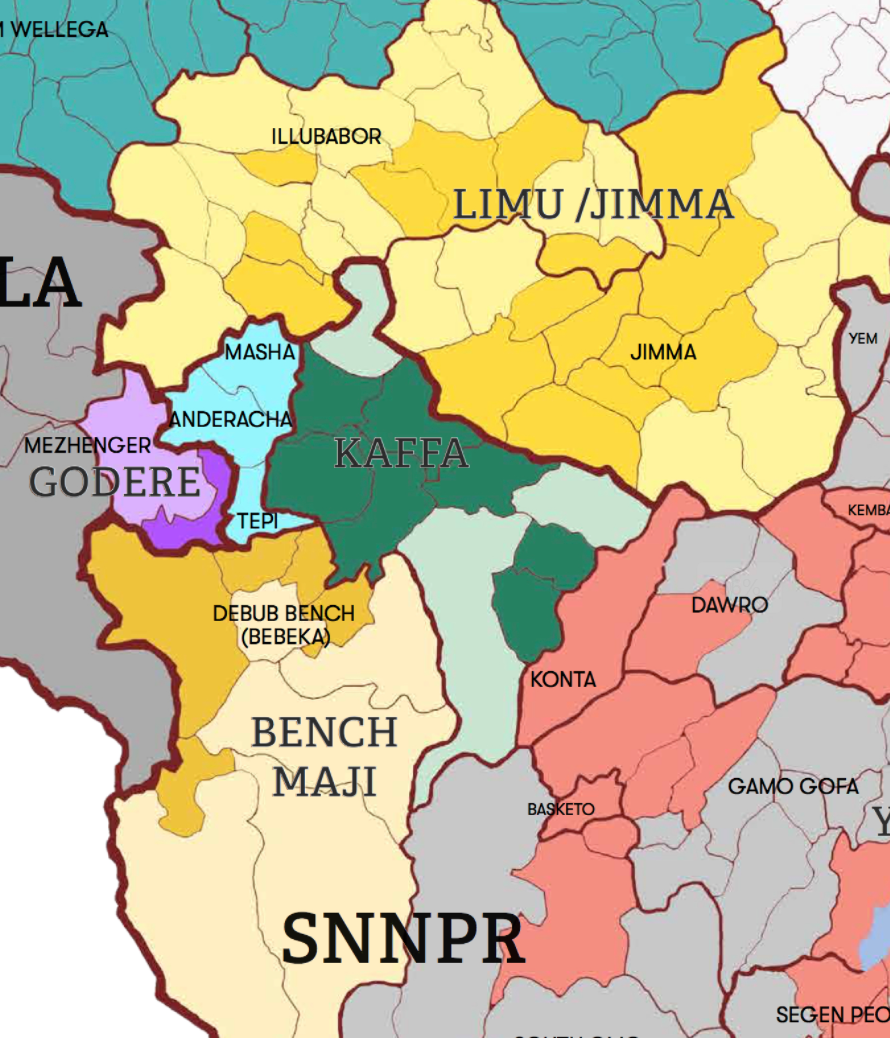
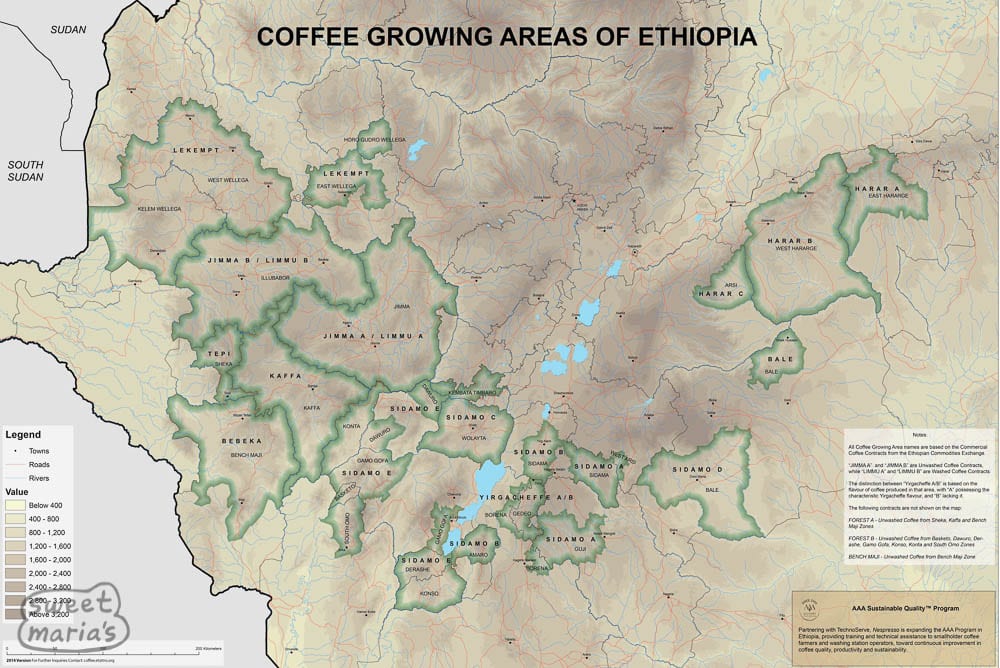
Gesha Village is situated in the Bench Maji region in western Ethiopia, part of the country’s Southwest Ethiopia Region, bordering South Sudan. The name Bench Maji comes from the local Bench people, known for their agricultural expertise, particularly in cultivating crops like teff. The area was once protected as a biodiversity hotspot, featuring high forest coverage and remaining a pristine land with minimal human activity—thus preserving many rare coffee landraces.
Although Bench Maji is not as famous for specialty coffee as central or southern regions, its wild forest environment gave rise to the original strain of the Gesha variety. In fact, it was during the filming of an Ethiopian coffee documentary in 2007 that founders Adam Overton and Rachel Samuel discovered what might be the origin of the Gesha variety in the Gori Gesha Forest, sparking the idea to create a coffee estate named after Gesha.
In 2009, in collaboration with Willem, the owner of Panama’s Hacienda La Esmeralda, they returned to the Bench Maji area, found tree varieties highly similar to the original Gesha, and brought the seeds back to cultivate, laying the foundation of Gesha Village Estate. Covering a total area of 471 hectares, the estate is meticulously divided into eight plots, each dedicated to a single variety to ensure flavor consistency and traceability.
Gesha Village currently cultivates three main varieties: Gesha 1931, Gori Gesha, and Illubabor Forest 1974. Among them, Gesha 1931 is considered the closest to the Panamanian Gesha parent variety, known for its bright acidity and floral-fruity aromas. Gori Gesha is a native variety discovered in 2011 in the nearby Gori Forest, while Illubabor Forest 1974 was found during a 1974 expedition in the Ilubabor Forest, later improved by the Ethiopian Coffee Research Center with disease-resistant traits—currently grown only at Gesha Village.
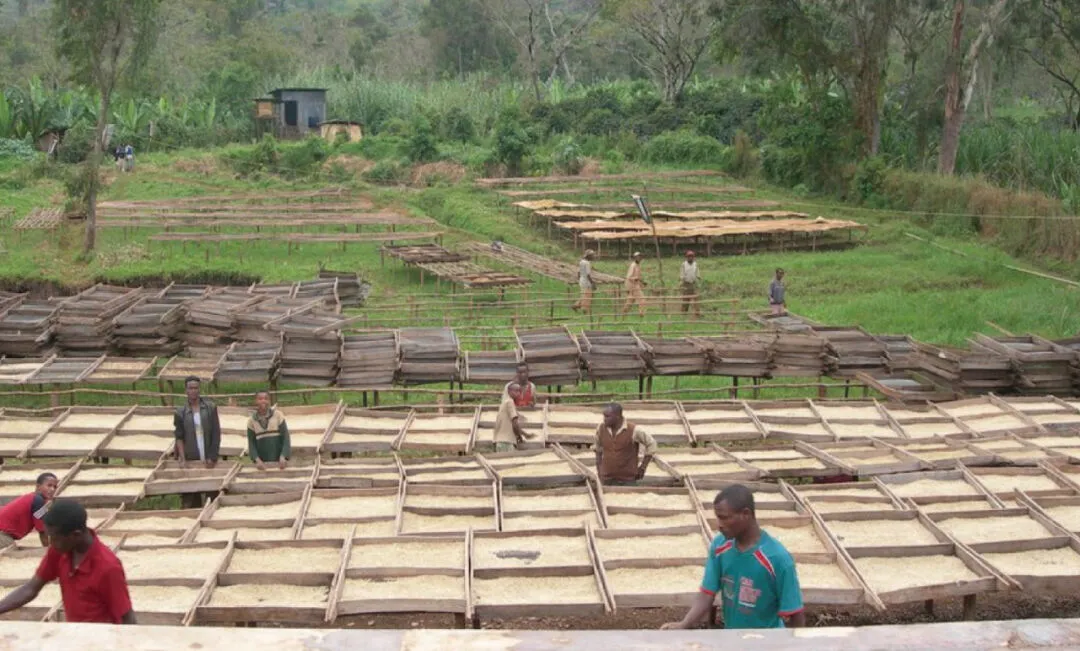
To ensure the quality and traceability of each coffee batch, Gesha Village implements label-based management for the coffee cherries harvested from each plot, making every step—from picking to processing to export—fully trackable. Combined with a rigorous grading system, the products are divided into five grades: Champion’s Reserve/Farm Reserve, Golden Label, Red Label, Green Label, and Chaka.
The Champion’s Reserve (also called Farm Reserve) accounts for only 3.7% of annual production, representing the absolute pinnacle and available only through global auctions. The Golden Label (Rarities) makes up 10%, being the most sought-after non-auction grade, selected based on cupping scores and flavor profiles. A new-season Golden Label purchased by a certain coffee brand came from the Oma plot, processed using natural methods over 32 days, offering intense notes of berries, melon, citrus, and flowers, with a tea-like long finish.
The Red Label (Growers Reserve) must achieve an SCA cupping score of 88 or above, accounting for 15%. The Green Label (Single-Terroir) emphasizes traceability of plot, variety, and processing method, though without a cupping score threshold. Lastly, the Chaka blend combines beans from various plots and varieties across the estate without emphasizing specific subdivisions.
Overall, Gesha Village is not only a pilgrimage site for coffee origins but also a model of quality and grading systems. For coffee enthusiasts, understanding these details can help you better appreciate the story and craftsmanship behind every sip.
If you want to personally experience the charm of Gesha Village’s Golden Label, here are recommended pour over parameters for your reference and practice:
Pour Over Recommendations (for Golden Label Gesha)
- Filter: V60
- Water Temperature: 91–92°C
- Coffee Dose: 15 grams
- Coffee-to-Water Ratio: 1:15
- Grind Size: Fine sugar-like (approximately 80% through a #20 sieve)
Three-Stage Extraction Steps:
- Place 15 grams of coffee grounds into the filter, then pour 30 grams of water for a 30-second bloom. It is recommended to pour in slow circles from the center outward to ensure even saturation of the coffee bed.
- Next, pour a slightly larger stream of water to reach 120 grams, totaling 150 grams, completed within approximately 55 seconds. Keep the water stream vertical and steady to help lift the coffee bed and ensure full extraction.
- When the liquid level drops to half, switch to a smaller stream to pour the final 90 grams, reaching a total brew weight of 240 grams, with timing controlled around 2 minutes and 10 seconds. Carefully manage this stage to avoid over-agitation leading to over-extraction.
After extraction, gently remove the filter and give the coffee a gentle swirl before enjoying. This brewing method fully highlights the layered and delicate flavors of the Golden Label Gesha.
The above content is compiled by CoffeeHunters, a coffee news website.


