







Introduction:For beginner coffee enthusiasts, selecting a high-value everyday coffee bean allows you to explore diverse regional flavors within a reasonable budget while avoiding waste from poor choices. This article highlights classic everyday beans from eight origins—including Ethiopia, Colombia, Indonesia, and Yunnan, China—featuring various processing methods such as washed and whiskey barrel fermentation. Detailed information on each bean’s origin, processing features, and optimal pour over parameters is provided to help you easily discover your preferred flavor profile.
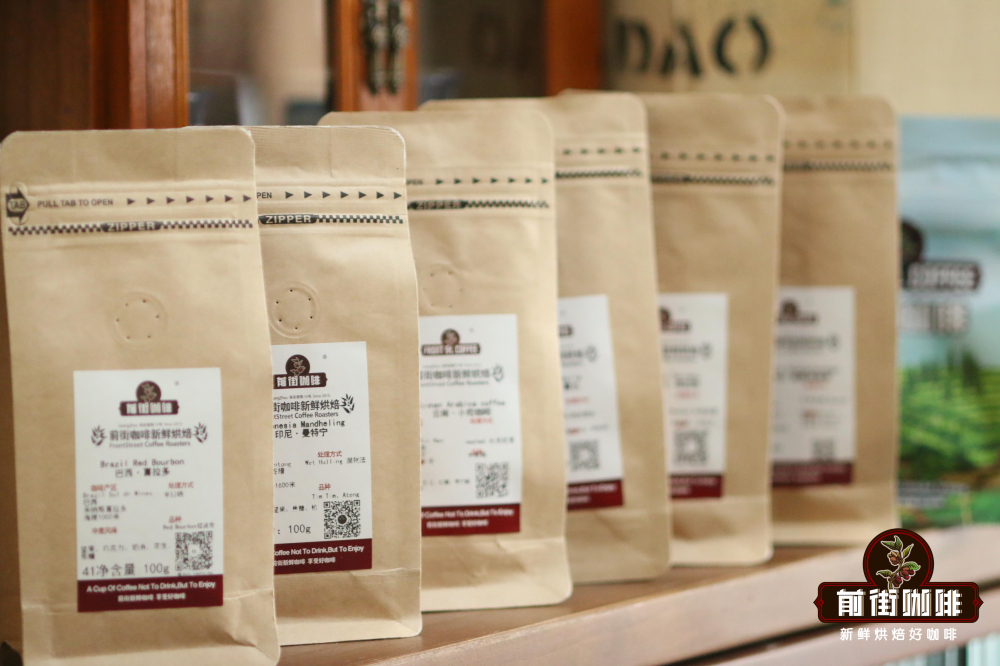
For many newcomers to coffee, a common question arises: What is an everyday coffee bean? Though the term sounds technical, it simply refers to affordable, small-batch coffee beans designed for daily consumption, typically packaged in 100-gram portions. These beans not only offer great value but also allow users to sample different origins and processing methods at low cost. A selection of eight everyday beans from a certain brand are sourced from globally renowned regions, including Ethiopia, Honduras, Colombia, Costa Rica, Guatemala, Yunnan (China), Indonesia, and Brazil. Each is presented in a 100-gram pack, perfect for daily brewing and flavor exploration.
Each of these eight everyday beans showcases the most representative flavor characteristics of its origin. For example, Ethiopia’s Yirgacheffe is famed for its bright citrus acidity and floral-fruity notes, Indonesia’s Mandheling offers rich herbal and nutty tones, while Costa Rica’s Tarrazú is celebrated for its classic chocolate and nut aromas. This article will delve into the origin background and processing techniques of these eight beans, along with expert pour over extraction recommendations and flavor descriptions, helping readers make the most suitable choice based on personal preference.
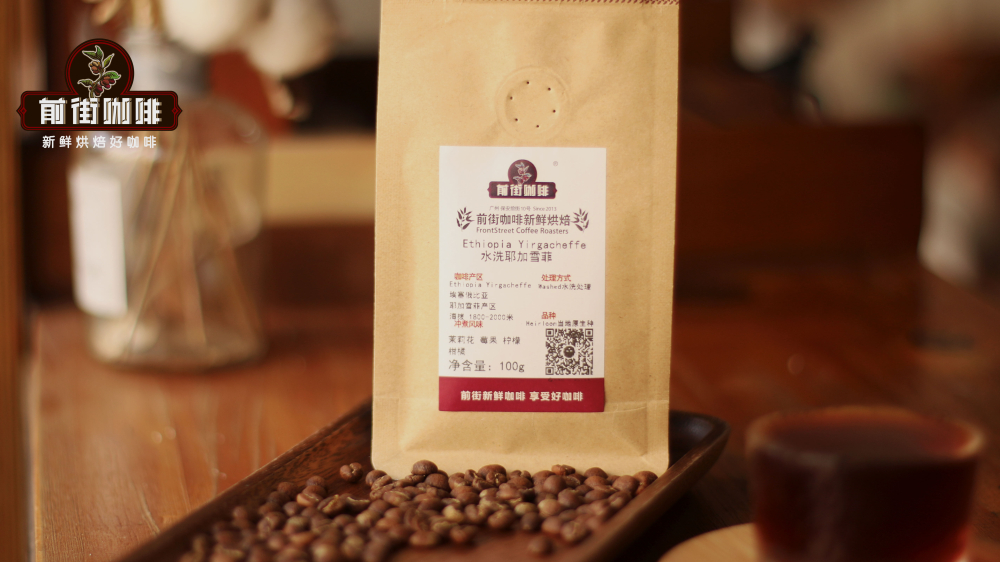
[Washed Yirgacheffe Everyday Bean]
Sourced from Ethiopia’s Yirgacheffe, a holy land for coffee lovers, this washed everyday bean is grown at altitudes of 1800–2000 meters on high plateaus from native varieties. The Yirgacheffe region lies on the eastern side of the East African Rift Valley, where cool and foggy weather creates coffee with distinctive citrus, lemony acidity, and fresh floral notes.The beans are small and round, typical of high-altitude, small-sized varieties.Brewed, they reveal bright fruit acidity, tea-like body, and delicate flavors reminiscent of jasmine and berries.
Brewing Recommendation: Use water at around 91°C, medium-coarse grind, and a 1:15 coffee-to-water ratio to highlight its refreshing citrus and floral layers.
[Honduras · Sherry]
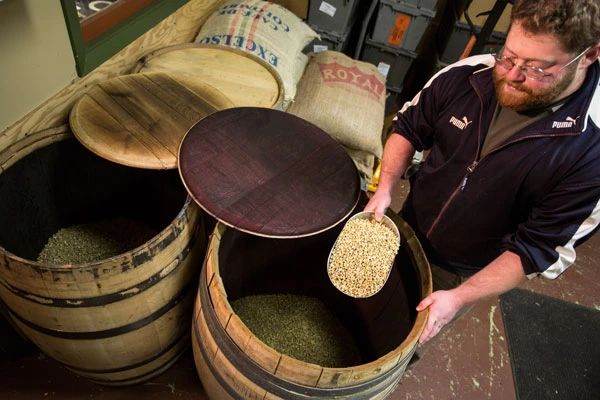
This coffee from Honduras’ Masaguara region, grown at Finca Mocha, undergoes meticulous washed processing followed by 30–40 days of low-temperature fermentation in whiskey sherry barrels, resulting in unique wine-like aromas and sweetness. Cultivated at 1500–1700 meters altitude with varieties such as Caturra, Catuai, and Pacas, the beans absorb vanilla, cream, and berry notes from the sherry barrels during fermentation.Brewed, it presents complex layers of whiskey, dark chocolate, almond, and maple syrup.
Brewing Recommendation: Use a V60 dripper, water at 88–90°C, medium-fine grind (approximately 58% through a Chinese standard No. 20 sieve), 1:15 coffee-to-water ratio. Ideal for coffee lovers who enjoy wine-like aromas and sweetness.
[Colombia Huila Everyday Bean]
This Caturra variety coffee from Colombia’s Huila region is grown at around 1500–1800 meters altitude and processed using the washed method to deliver the balanced flavors typical of Colombian coffee. Renowned for its consistent production of high-quality Arabica, this Huila bean featuresnutty, dark chocolate, and caramel aromas, with gentle fruit acidity and a clean finish.
Brewing Recommendation: Recommended water temperature is 90°C, medium-coarse grind, 1:15 coffee-to-water ratio. Suitable for daily enjoyment or pairing with desserts.
[Costa Rica Tarrazú]
The Tarrazú region in Costa Rica is known for its balanced, rich chocolate notes and smooth mouthfeel. This coffee uses Caturra and Catuai varieties, processed via washed method. Though the beans vary in size, they retain the region’s signature sweet orange, honey, and toffee flavors.An ideal choice for those seeking a full-bodied taste and nutty finish.
Brewing Recommendation: Recommended water temperature is 90–91°C, medium-coarse grind, 1:15 coffee-to-water ratio, which brings out sweetness and nuttiness.
[Guatemala Huehuetenango]
From Guatemala’s high-altitude volcanic Huehuetenango region, this coffee primarily uses Bourbon, Caturra, and Catuai varieties. Washed processing highlights its clean, bright acidity and fruity character.Flavor notes include nuts, lemon peel, berries, and citrus, with distinct layers and a long finish.
Brewing Recommendation: Recommended to use a V60, water at 90°C, 1:15 coffee-to-water ratio, and grind size at approximately 80% through a No. 20 sieve. Suitable for those who enjoy clear fruit acidity and citrus notes.
[Yunnan Small Bean]
Sourced from Baoshan, Yunnan, China, this Catimor variety coffee is a small-bean type. Though mainly produced for volume, it still demonstrates certain quality traits. Grown at 1200 meters altitude and processed via washed method, it delivers a complex profile of melon, muskmelon, brown sugar, plum acidity, along with a hint of black tea note. Ideal for those who enjoy the fusion of Eastern tea aroma and fruity sweetness.
Brewing Recommendation: Water temperature 88°C, medium-coarse grind, 1:15 coffee-to-water ratio. Suitable for those who prefer traditional Chinese flavor profiles.
[Indonesian Mandheling]
From Indonesia’s Sumatra Lintong region, this Mandheling uses the rare Arabica variety Ateng and is processed via the wet-hulled (Giling Basah) method, resulting in a rich, thick mouthfeel and distinctive spicy-herbal flavors.Common tasting notes include toasted bread, nuts, caramel, pine, and herbal undertones, making it a great choice for those who prefer bold flavors.
Brewing Recommendation: Recommended water temperature 87°C, medium-coarse grind, 1:15 coffee-to-water ratio, highlighting its full body and herbal complexity.
[Brazil Cerrado]
This Red Bourbon variety from Brazil’s Cerrado Mineiro region is processed via honey (semi-washed) method, showcasing intense nutty, chocolatey, creamy, and peanut aromas, with a smooth texture and pronounced sweetness.A top choice for those who enjoy low acidity, full body, and earthy flavors.
Brewing Recommendation: Recommended water temperature 89°C, medium-coarse grind, 1:15 coffee-to-water ratio. Suitable for drinking solo or pairing with breakfast.
When brewing these eight everyday beans, it’s recommended to adjust parameters based on each bean’s characteristics. A general process is: pre-infuse 30 grams of hot water for 30 seconds, then pour in stages to reach 125 grams, followed by additional pouring to 225 grams before stopping. Total brew time is approximately two minutes. Mastering these basic techniques helps fully express each bean’s unique flavor.
Through these eight everyday beans sourced from around the world, whether you’re just starting out or looking for new inspiration for daily drinking, you can find the option that best suits your taste. We hope this detailed origin guide and practical brewing advice enhance your enjoyment of pour over coffee.
The above content is compiled by CoffeeHunters, a coffee news website.


