








Introduction:The differences in extraction methods and temperatures between cold brew and hot brew coffee result in distinctly unique flavor profiles. This article delves into the extraction principles of both, the types of coffee beans suited for each, operational details, storage methods, and compares cold brew with pour over and cold drip to help you find the coffee preparation method that best suits your taste and elevate your home brewing experience.
On a hot summer day, a refreshing glass of cold brew coffee can bring an ultimate cooling sensation, and even in the cold winter months, many coffee enthusiasts remain enamored with its uniquely smooth flavor. Compared to common hot brewing methods, cold brew coffee uses low-temperature, long-duration steeping to release a distinctly different aroma and taste profile. This article will provide a detailed introduction to the historical background of cold brew coffee, its differences from hot brew and pour over, key parameter settings, as well as how to choose the right coffee beans and equipment, allowing you to easily master this popular brewing technique.
As the name suggests, cold brew coffee involves using cold water as the extraction medium, steeping coffee grounds in a low-temperature environment for an extended period so that aromatic compounds are slowly released. Common cold drip coffee and cold steeping (also known as cold maceration) coffee both fall under the category of cold brew. These brewing methods do not require hot water but rely on time and a stable low-temperature environment to present coffee flavors in a gentler way. Whether you call it cold brew, cold steeping, or cold drip, the core concept is the same: extracting the essence of coffee slowly using cold water.

The history of cold brew coffee can be traced back to seventeenth-century Europe. At that time, Dutch merchant ships, unable to access hot water during long voyages, tried steeping coffee grounds in cold water and unexpectedly discovered that the resulting coffee had a smoother and more mellow taste, unlike the intense and stimulating nature of hot brew. This method gradually gained popularity and became the prototype of early cold brew coffee. As for cold drip coffee, it was later developed as an exquisite craft in Japan, using controlled dripping speeds — extracting coffee at an extremely slow rate of just a few drops per minute — to create a unique layered and clear taste.
The biggest difference between hot brew and cold brew lies in water temperature and brewing time. Hot brew typically uses near-boiling hot water (about 87–93°C), which quickly extracts various compounds from the coffee, including acidity, sweetness, and bitter substances. Therefore, it demands higher control over grind size, water temperature, pouring technique, and time. In contrast, cold brew is performed in a low-temperature environment (about 4–15°C), where reaction rates are significantly reduced, requiring an extended steeping time (usually 12–24 hours) to fully release the coffee’s aromas and flavors. Since low temperatures suppress the release of some bitter compounds, cold brew coffee often has a smoother mouthfeel, brighter acidity, and a clean aftertaste.
When choosing coffee beans for cold brew, it's advisable to select those with clear acidity, fruity notes, or fermentation characteristics. For example, washed beans from Ethiopia often have bright citrus and floral tones, making them suitable for those who prefer a refreshing taste; coffee beans fermented in wine barrels can deliver rich wine-like aromas and honey-like sweetness; while sun-dried beans, due to full conversion of fruit pulp sugars, often exhibit intense berry or tropical fruit flavors, appealing to consumers who enjoy sweetness and complexity. In addition, the grind size is recommended to be slightly finer than pour over, about 85% passing through a No. 20 sieve, to facilitate the dissolution of flavor compounds. The coffee-to-water ratio should be between 1:10 and 1:12, adjusted according to personal preference for concentration.
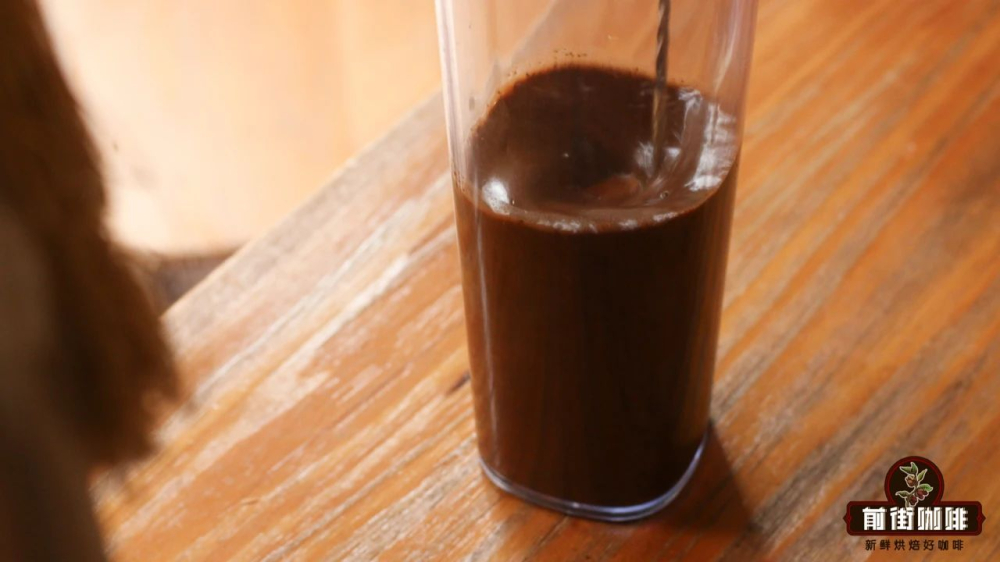
When making cold brew coffee, it is recommended to combine ground coffee with cold water in a sealed container the night before, letting it steep for about 12–14 hours to allow the coffee components to fully release in a low-temperature environment. The next day, filter out the coffee grounds using a cloth or paper filter, and it’s ready to enjoy. If you wish to adjust the strength, you can also dilute it with ice cubes. It should be noted that overly long steeping times may lead to over-extraction, causing unpleasant bitterness, so it’s important to strictly control the duration. Additionally, use a container with good sealability for storage to avoid absorbing odors from other foods in the fridge, which could affect the original flavor of the coffee.
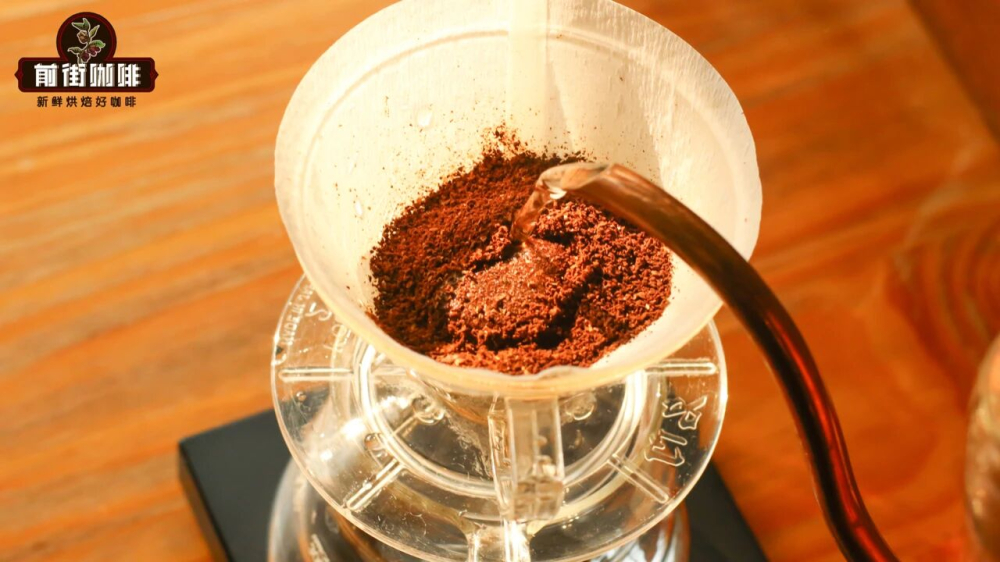
Although cold brew, cold drip, and pour over all use water as the medium, there are clear differences in their extraction logic. Pour over uses hot water, and by controlling the pouring speed, water flow intensity, and grind size, it can precisely extract the desired flavor layers in a short time; cold drip, on the other hand, mimics long-duration, low-temperature extraction through an extremely slow dripping speed, resulting in an exceptionally clear and layered taste; while cold brew combines the dual characteristics of long duration and low temperature, delivering a smooth, low-acidity, and easy-drinking overall experience. If you enjoy a refreshing, slightly acidic coffee rich in fruity notes, cold brew is an excellent choice for summer or when seeking different flavor experiences.
In summary, cold brew coffee, with its characteristic of low-temperature, long-duration brewing, offers a unique flavor experience distinct from hot brew. Whether you choose coffee beans with fruity, wine-like, or rich fruit-tea notes, by adjusting the grind size, coffee-to-water ratio, and steeping time appropriately, you can brew a cold brew beverage that suits your personal taste. With a grasp of the basic principles and details, you too can easily enjoy professional-grade cold brew coffee at home.
The above content is compiled by CoffeeHunters, a coffee news website.


