







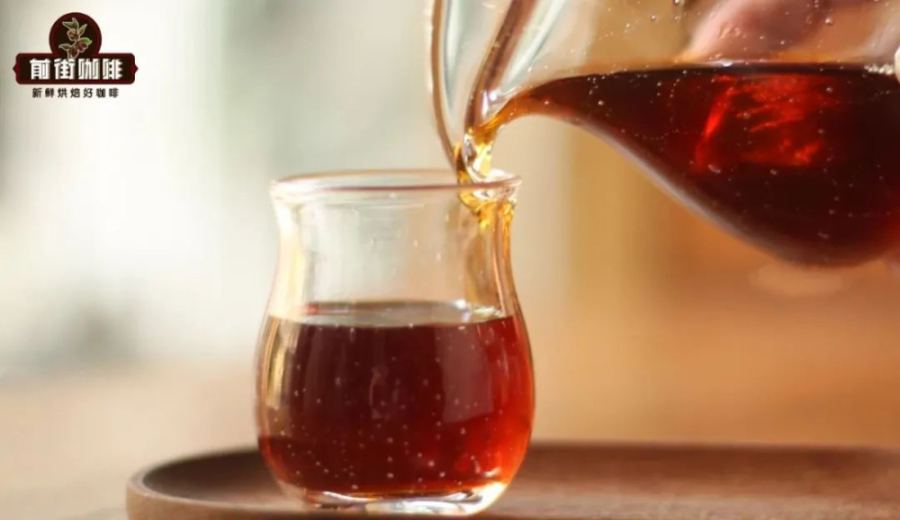
Introduction:Cold drip coffee, with its unique slow-drip brewing process and clear, richly flavored profile, stands as a premium representative within the cold brew family. This article details the structure, principles, operating procedures, and key parameter settings of a cold drip brewer. It walks you through practical details such as the 1:10 coffee-to-water ratio and drip rate control, compares the differences between cold drip, cold brew, and hot brew, and takes a deeper look at why it tends to be more expensive—helping you master this refined coffee-making technique.
Cold drip coffee is one of the most technique-demanding and patience-requiring methods among cold brew flavors. Using a specialized cold drip device, icy water drips at an extremely slow rate of about one to two drops per second, uniformly penetrating the coffee grounds. After several hours of extraction, it ultimately delivers a clear, transparent cup with a richly layered taste. Compared to regular iced americano or traditional cold brew, cold drip often exhibits brighter fruit acidity and subtle fermented wine-like aromas, making it an ultimate treat for many coffee enthusiasts.
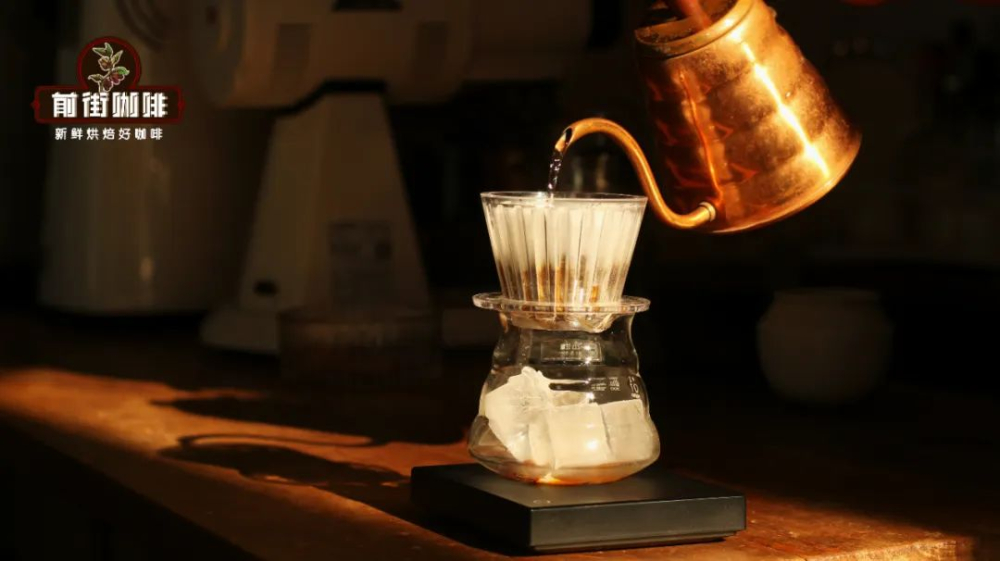
Making cold drip coffee starts with selecting and understanding your equipment. Cold drip brewers on the market vary widely in appearance and price, but their basic construction can generally be divided into three main parts: the top chamber holds the ice water and regulates water flow via a drip rate adjustment valve, the middle filter basket holds the coffee grounds, and the bottom chamber collects the brewed coffee liquid. These components form a closed and slow drip filtration system that allows ice water to uniformly seep through the coffee grounds drop by drop, avoiding over-extraction and the resulting bitter or off-flavors.
In practice, it is recommended to use a coffee-to-water ratio of about 1:10, for example, 60 grams of coffee grounds with 600 milliliters of ice water. This ratio effectively balances concentration and flavor expression. The drip rate should be controlled at approximately 7 to 8 drops per 10 seconds, which equates to roughly 1 milliliter per minute. Going too fast can lead to over-extraction, while too slow may unnecessarily prolong the extraction time and reduce overall efficiency. It’s important to note that due to the low temperature environment and fine drip flow, the entire process typically takes 5 to 8 hours, sometimes even over 10 hours, depending on the amount of coffee grounds and the drip rate.

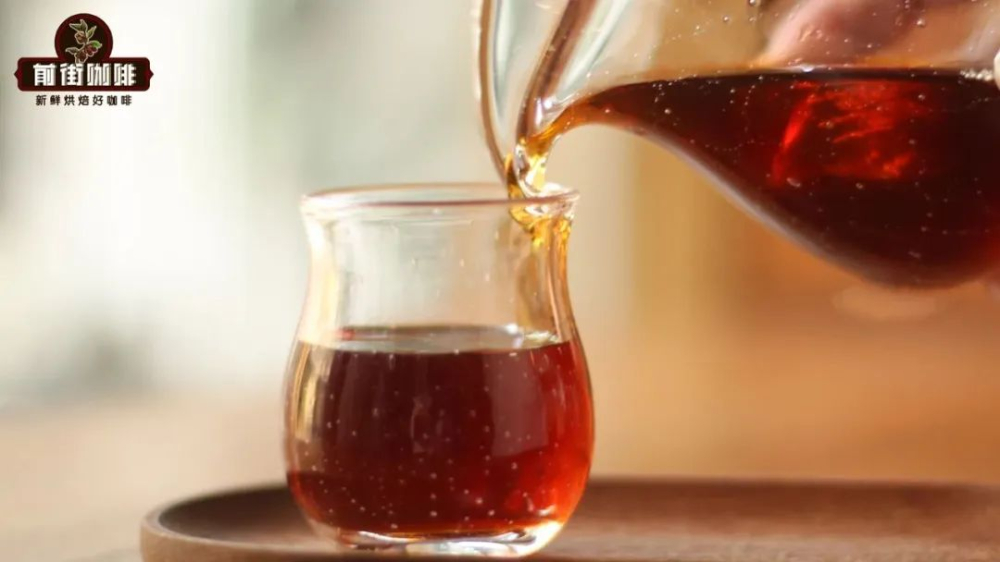
Unlike static immersion-style cold brew, cold drip is a dynamic extraction process. During the dripping period, fresh cold water continuously drips through the coffee bed, extracting flavor compounds in real time and immediately flowing down to the bottom chamber via gravity, without prolonged coexistence with already extracted liquid. This immediate extraction-and-drain method results in a final coffee liquid that is clearer and more distinctly layered, often delivering a cleaner and more transparent flavor expression compared to cold brew.
Additionally, it is recommended to refrigerate the drip-completed coffee liquid for at least 8 hours or more to allow further flavor integration and stabilization, while also controlling unwanted fermentation changes. This is also why many coffee shops remind customers that cold drip needs to be prepared in advance and cannot be served instantly. Some shops even adopt a reservation system to ensure consistent quality.
From equipment investment, time cost, to ingredient selection, the barriers to making cold drip coffee are relatively high, which is one reason why its retail price is generally more expensive. In particular, many shops use high-quality, uniquely flavorful single-origin beans—such as those with notable floral, fruity, or fermented wine-like characteristics—to highlight the distinct winey and fruity notes of cold drip. These beans are inherently more costly, and the amount of coffee grounds needed per brew is usually greater than that of standard pour over. For example, making 600 milliliters of cold drip often requires 60 grams of coffee grounds, placing more pressure on resources compared to the dosage used for a single pour over cup, further driving up costs.
Moreover, because the overall production timeline for cold drip is long—from dripping to maturation, it often takes over ten hours—many coffee shops are unable to supply it on demand and can only offer it by reservation or in limited quantities. Even when there is ready-made product available, the flavor might vary slightly by batch, which is also one reason some consumers ultimately opt for the more affordable iced americano.
In summary, the charm of cold drip coffee lies in its value of craftsmanship achieved through slow and meticulous effort, along with its unique flavor profile. It not only tests a barista’s familiarity with the equipment but also requires an in-depth understanding of coffee bean characteristics and extraction parameters. If you’re a coffee enthusiast, consider setting up a cold drip system at home and experiencing this ritualistic brewing art firsthand—feel how time and temperature together sculpt a clean, crystal-clear, and endlessly memorable cup of cold drip coffee.
The above content is compiled by CoffeeHunters, a coffee news website.


