







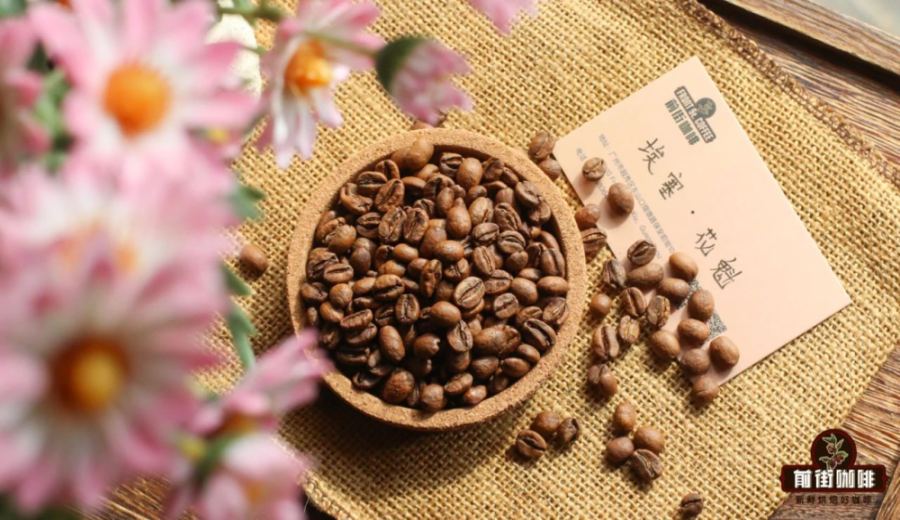
Introduction:Huang Kui coffee is renowned for its distinctive floral and fruity aroma. It is a high-quality natural-processed bean from Ethiopia’s Guji Hambella region, beloved by pour over and single-origin coffee enthusiasts. But with varying product quality on the market, how can you choose a fresh and flavorful Huang Kui? This article will delve into the characteristics and selection tips of Huang Kui from key aspects such as origin, processing farm, roast level, and storage, helping you find the most worthwhile option.
The name "Huang Kui" alone evokes thoughts of rich floral and fruity aromas. This natural-processed coffee from Ethiopia’s Guji Hambella region stands out among specialty coffees with its bright tropical fruit notes and delicate floral tones, becoming a classic favorite among many coffee lovers. However, as its fame has grown, many products labeled as "Huang Kui" have appeared on the market with inconsistent quality. To select a truly fresh and flavorful Huang Kui coffee, it's essential to carefully evaluate details such as origin information, roast date, and supplier.
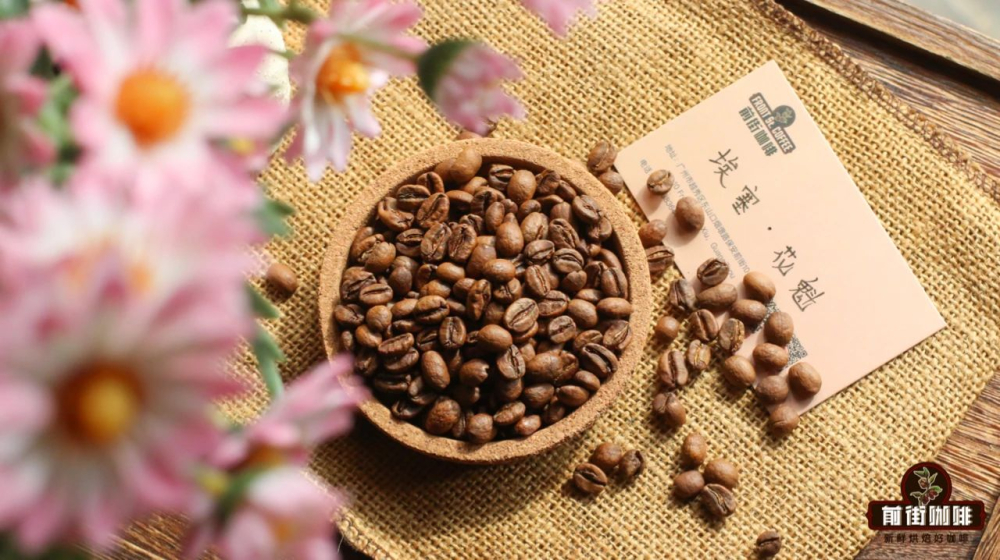
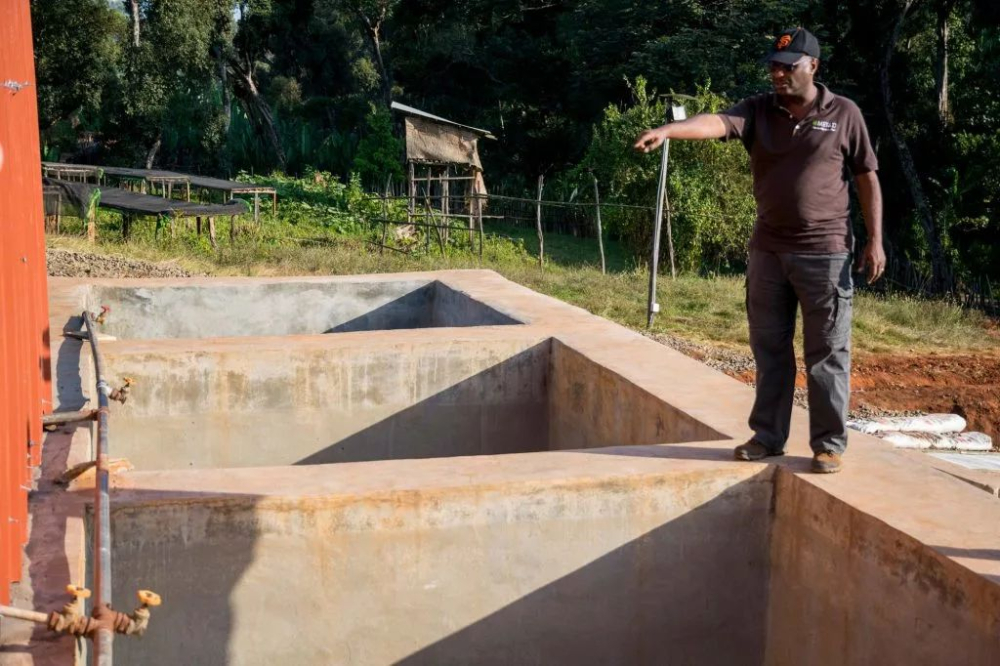
The so-called "Huang Kui" coffee actually originates from Ethiopia’s Guji Hambella region, with its full region name being "Ethiopia Guji Hambella Buku Abel." This coffee is meticulously processed by the well-known local Buku Abel washing station and comes from a high-altitude natural-processed batch. It uses Ethiopia’s native coffee varietals and is classified as the highest grade in the country’s green coffee classification system. Understanding this basic information can effectively help consumers identify counterfeit or mislabeled products on the market, ensuring they purchase authentic Huang Kui coffee.
Freshness is one of the key factors affecting a coffee’s flavor performance. After roasting, coffee beans continue to release carbon dioxide internally, accompanied by a gradual loss of flavor. If left for too long, the aromatic compounds and acidity in the beans will noticeably weaken, resulting in a dull and tasteless cup. Therefore, it is recommended to choose beans with a roast date within10 daysto fully experience their complete flavor profile. This is especially important for a natural-processed coffee like Huang Kui, which highlights floral and fruity notes, as freshness ensures you can enjoy the most vibrant acidity and rich complexity.
In addition, Huang Kui coffee is typically medium to light roasted to preserve its natural floral and tropical fruit characteristics, such as blueberry, citrus, and jasmine. Choosing a dark roast can easily bring out excessive charred bitterness and smokiness, not only masking its original traits but also making it unsuitable for brewing methods like pour over or drip bags that aim to highlight subtle flavors.
When purchasing Huang Kui coffee, it is advisable to choose a reputable specialty roaster, especially those with a stable supply chain and good reputation. Such vendors usually provide detailed roast dates and origin information, and prioritize the freshness management of their beans. Some brands even offer small packaging or regular shipping models to ensure consumers enjoy beans at their best flavor each time.
When selecting, it’s also recommended to consider compatibility with brewing methods. Huang Kui is suitable for medium to medium-light roasting and can be used with various brewing devices such as pour over, drip bags, French press, and moka pot. Different brewing parameters will also affect the final flavor, for example, pour over is recommended at around 90–93°C water temperature, with a brew ratio of 1:15 to 1:16, and a grind size between medium-fine to medium-coarse, which better highlights its floral, fruity, and sweet characteristics.
In summary, when choosing Huang Kui coffee, it’s important not only to verify the authentic origin and processing farm, but also to pay attention to the roast date and roast level, and select a reliable purchasing channel. Only in this way can you enjoy the unique floral and fruity aroma and rich aftertaste of this premium natural-processed bean from Ethiopia’s highlands, and savor every cup of layered coffee experience.
The above content is compiled by CoffeeHunters, a coffee news website.


