








Introduction:Although Ethiopia’s Yirgacheffe and Sidamo are both located in the southern high-altitude coffee-growing regions, their subtly different geographical environments and processing methods give rise to distinctly unique coffee flavor profiles. This article delves into the historical origins and evolution of processing techniques of the two regions, and through a comparative cupping of washed Yirgacheffe and natural Sidamo, provides precise pour over brewing recommendations and detailed flavor descriptions to help coffee beginners grasp the distinctive charm of these two classic regions.
Both Yirgacheffe and Sidamo are situated in southern Ethiopia, geographically adjacent, and were once administratively affiliated — Yirgacheffe was originally a small town within the Sidamo province. Today, these two regions have each carved out their own unique identities in the specialty coffee scene, becoming popular starting points for many coffee enthusiasts exploring Ethiopian flavors.
Many newcomers to specialty coffee are often advised to start with Ethiopian beans, thanks to their bright acidity and rich floral and fruity aromas that deliver a highly distinctive tasting experience. Among Ethiopia’s many producing regions, beans from Yirgacheffe and Sidamo are most frequently used for flavor comparisons—not only because of their geographical proximity, but also due to the differences in processing methods and altitude that result in markedly different flavor profiles.
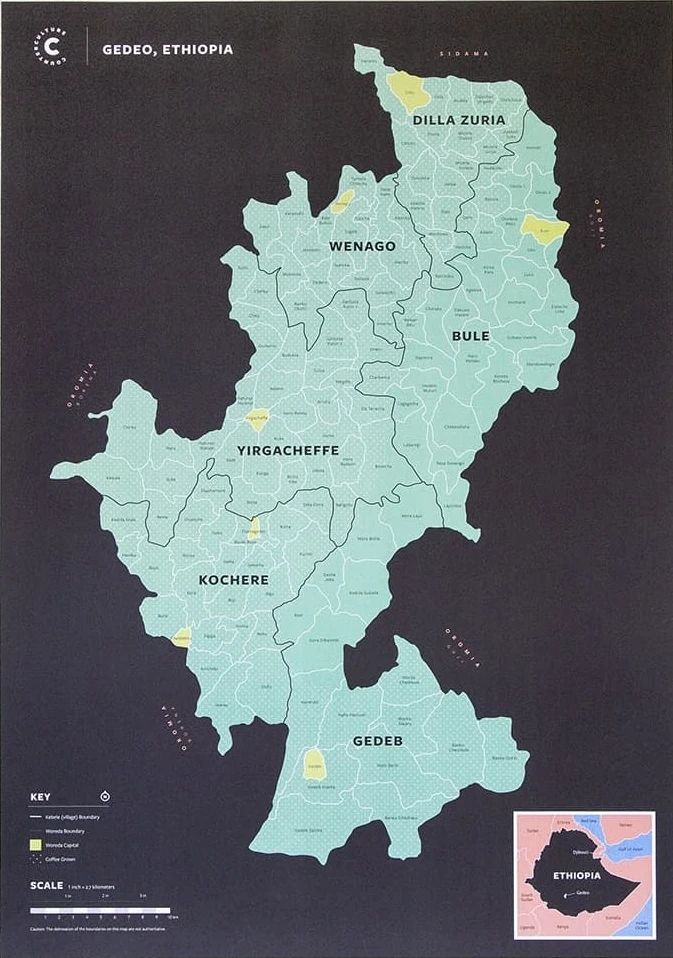
Historically, Yirgacheffe was originally just a sub-region within Sidamo province. The name “Yirga” means “to settle down,” and “Cheffe” refers to “wetland,” collectively implying “let us make a home in this wetland.” Over time, this once-small town has now become an iconic producing region name in the global specialty coffee market. It’s worth noting that the Yirgacheffe we refer to today is no longer limited to the original town, but broadly encompasses multiple coffee communities and cooperatives within a larger region.
Coffee cultivation in Yirgacheffe is mostly concentrated at high altitudes between 2000 and 2600 meters, with many high-quality fields even exceeding 2600 meters. The high-altitude environment slows the ripening process of coffee cherries, aiding in the accumulation of flavor compounds and amino acids, thereby producing brighter and more nuanced acidity and aroma. In contrast, Sidamo’s planting altitudes generally range between 2100 and 2350 meters—slightly lower than Yirgacheffe, but still considered high-altitude, capable of delivering a fuller body and complex layered profile.
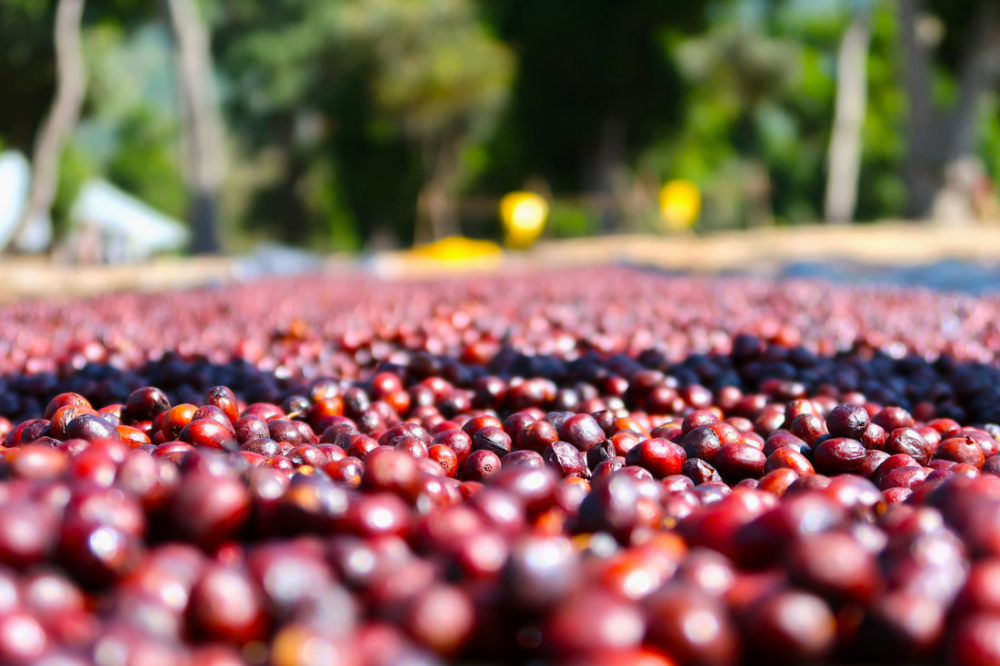
In terms of processing methods, Yirgacheffe primarily employs washed processing, which highlights the coffee’s cleanliness and bright acidity, along with clear floral and citrus notes. However, a small number of premium beans from the region are processed using traditional natural (sun-dried) methods, such as a certain brand’s Natural Red Cherry, which showcases richer fruitiness, honey sweetness, and a fuller mouthfeel. Naturally processed coffees, due to prolonged contact and fermentation between the fruit pulp and seeds, often exhibit more intense tropical fruit flavors and wine-like aromatic tones.
The flavor profile of Sidamo coffee tends to be more balanced, with pronounced sweetness and generally higher body compared to Yirgacheffe. Some batches, processed via natural methods, develop wine-like acidity and sweetness during fermentation. When combined with the coffee’s inherent cocoa base tone, they create an alluring flavor reminiscent of liqueur-filled chocolates. This flavor development is closely tied to Sidamo’s microclimate, soil conditions, and the nuances of its processing techniques.
To more直观ly compare the differences between these two major regions, the following will use a certain brand’s Yirgacheffe Guji Dingding (washed) and Sidamo Huakui (natural) as examples, analyzing their regional background, processing characteristics, and actual flavor profiles.
Yirgacheffe Guji Dingding is produced by a local cooperative, grown at an altitude of about 2000 to 2100 meters, with the Ethiopian heirloom variety, and processed via washed method. The flavor profile of this bean centers around citrus and black tea, accompanied by subtle floral and grassy notes. The mouthfeel is refreshing, with a clean finish that carries creamy, caramel, and almond sweetness. Overall, it presents a clean and well-balanced profile with harmonious acidity and sweetness.
Sidamo Huakui comes from the core producing area of Sidamo, at an altitude of approximately 2250 to 2350 meters, also using the heirloom variety but processed through the natural method. The standout features of this bean include bright citrus acidity, a rich berry juice-like character, and a lemon-black tea-like tea note. Its sweetness is persistent and layered, with a mellow chocolate and dried fruit note in the aftertaste.
For brewing recommendations, it is suggested to use a Hario V60 #01 filter cone, with water temperature controlled at 90–91°C, a coffee dose of 15 grams, and a coffee-to-water ratio maintained at 1:15. The grind size can refer to 80% extraction through a Chinese standard No. 20 sieve, i.e., a medium-fine grind setting, which helps fully extract fruit acidity and aroma while avoiding the off-flavors caused by over-extraction.
The design features of the V60 filter cone include its 60-degree conical structure and clockwise spiral ribs, which effectively focus the water flow, enhance extraction efficiency, and maintain a stable flow rate. The large bottom hole design aids in the quick dripping of coffee liquor, reducing the risk of over-soaking. These characteristics make the V60 an ideal tool for highlighting the flavor details of Yirgacheffe and Sidamo.
Practical brewing steps are recommended as follows: first, pour 30 grams of hot water for a 30-second bloom to initiate the release of aromatic compounds from the coffee grounds; then proceed with two main infusions. The first infusion is 95 grams (total weight around 125 grams), completed within about 1 minute; when the water level drops to two-thirds of the coffee bed, add the remaining 100 grams (total weight around 225 grams), completed within about 1 minute 40 seconds to 1 minute 45 seconds. The total brew time is controlled between 2 minutes and 2 minutes 10 seconds to ensure balanced and layered flavors.
In terms of flavor, Yirgacheffe Guji Dingding presents a fresh citrus tone upon entry, paired with the expansiveness of black tea. Floral notes gradually emerge as the temperature cools, and the finish carries a mellow sweetness of cream, caramel, and almond. The overall mouthfeel is clean and refreshing, with harmonious acidity and sweetness. It is a classic washed Yirgacheffe, perfect for savoring slowly.
Sidamo Huakui opens with a bright citrus acidity, followed by a rich berry juice character and a lemon-black tea-like tea note, with clearly layered and long-lasting sweetness. The mid-palate reveals a soft cocoa base tone, and the finish offers a mellow aroma of chocolate and dried fruits. The overall profile is full-bodied and rounded, suitable for coffee lovers who enjoy a combination of fruity and sweet notes.
Whether you prefer the bright acidity and floral-fruity notes of Yirgacheffe or the full-bodied sweetness and wine-like tones of Sidamo, the coffees from these two regions offer profound and distinctive taste experiences. By understanding their geographical backgrounds, processing techniques, and brewing details, coffee enthusiasts can more accurately select beans that suit their personal tastes and explore the endless charm of Ethiopian coffee with every brew.
The above content is compiled by CoffeeHunters, a coffee news website.


