







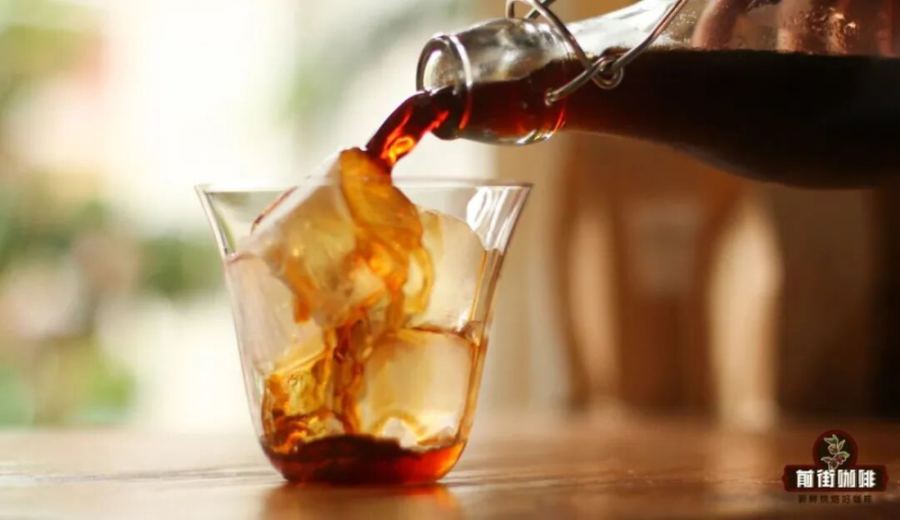
Introduction:Known for its unique flavor and meticulous brewing process, cold drip coffee has become a challenge many coffee enthusiasts aspire to master. This article delves into the step-by-step production of cold drip coffee, detailing the key parameters and precautions for each stage—from grind size, drip rate, brew ratio to maturation time—and provides practical operational tips. It helps you understand “how long it actually takes to make a cup of cold drip coffee” and grasp the secrets to crafting a balanced, layered cold drip brew.
With its lengthy brewing process and delicate layers of flavor, cold drip coffee has long been beloved by coffee lovers. Compared to cold brew, cold drip not only requires specialized equipment but also demands precise control over drip speed and a period of maturation to reveal its unique charm. This article comprehensively analyzes the standard cold drip brewing process through four key factors: grind size, drip rate, brew ratio, and maturation time. It also offers a detailed answer to the common question “how long does it take to make a cup of cold drip coffee?” while sharing practical operational experience and parameter suggestions to help you better understand the essence of this low-temperature drip coffee.
It’s common to hear customers in coffee shops ask, “Do you have cold drip coffee?” only to be told, “Yes, but it’s pre-made.” This often sparks curiosity: “Why can’t it be made fresh? How long does it take to make a cup of cold drip?” In fact, the brewing principle of cold drip is quite different from that of common cold brew. Cold brew simply involves mixing coffee grounds with cold water, refrigerating for a few hours, and filtering—relatively straightforward. In contrast, cold drip uses specialized equipment to slowly extract coffee flavors through a continuous drip of ice water, making the process more complex and time-consuming.
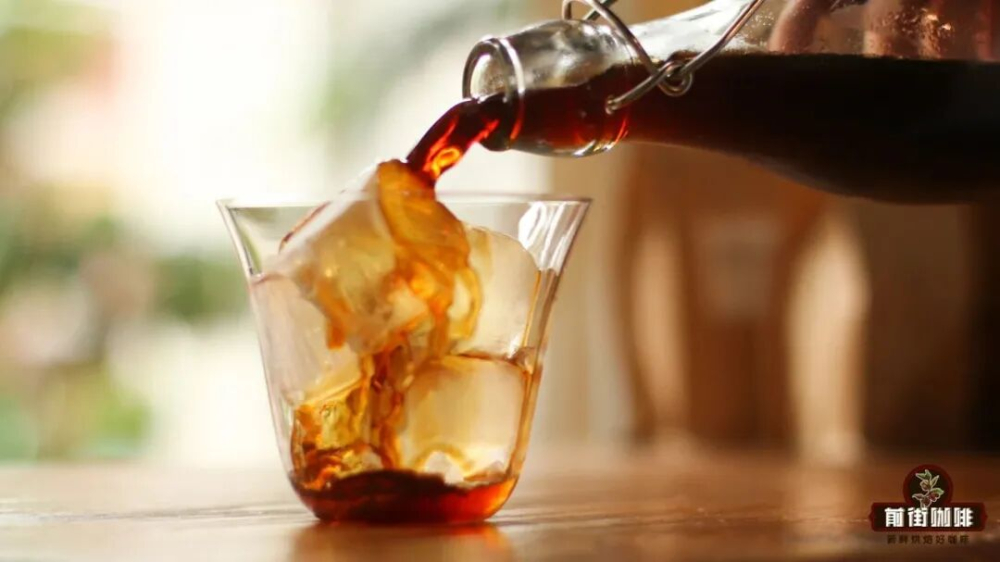
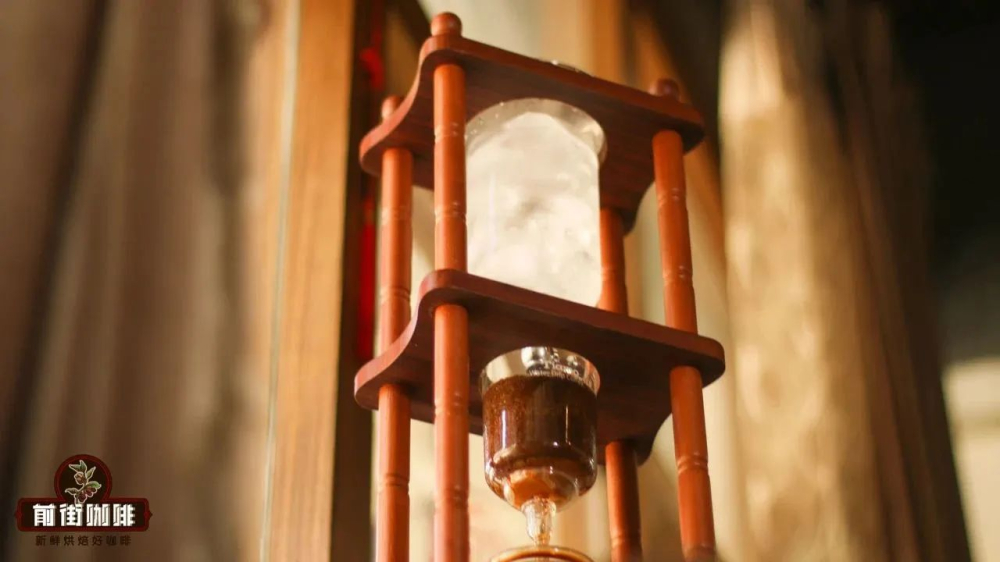
The production of cold drip coffee relies on a specially designed cold drip tower, which consists of three tiers: the top, middle, and bottom, used for holding ice water, coffee grounds, and collecting the dripping coffee liquid, respectively. The bottom of the top tier is equipped with an adjustable valve to regulate the drip rate, ensuring a steady flow that keeps the coffee grounds in a constant state of extraction. The entire process must wait until all the ice water has dripped through or the desired extraction volume is reached to complete the initial extraction. However, the resulting coffee liquid still cannot be consumed immediately—it needs to undergo a period of refrigerated maturation to develop a rounder flavor and richer layers.
Overall, making a standard cup of cold drip coffee not only requires specialized equipment but also precise control of drip rate, grind size, brew ratio, and patience for maturation. Compared to the simplicity of cold brew, the cold drip process is noticeably more elaborate—this is why most people choose to enjoy it in coffee shops rather than making it at home.
Practical experience shows that the production time of cold drip coffee is mainly influenced by four factors: the grind size of the coffee powder, the drip rate, the brew ratio, and the maturation time. Mastering these elements is key to extracting a cold drip coffee with balanced flavor and distinct layers.
First isthe grind size of the coffee powder. Grind coarseness directly affects the speed of water flow and extraction efficiency. If the grind is too coarse, water flows too quickly, leading to under-extraction and a weak-tasting coffee; if too fine, water flow is hindered, potentially causing pooling and over-extraction, resulting in bitterness. It is recommended to calibrate using a No. 20 (0.85mm) standard sieve, keeping the cold drip coffee grind size at about 83–85% passing rate—slightly coarser than pour over but slightly finer than cold brew—to ensure even extraction without overdoing it.
Next isthe drip rate. Cold drip is a dynamic extraction method that requires a stable and consistent flow of water droplets contacting the coffee grounds to achieve ideal flavor. Too fast a drip rate leads to under-extraction, resulting in a dull, aroma-lacking coffee; too slow may cause over-extraction, producing undesirable off-flavors. Experiments suggest that for light-roast beans, adjusting the drip rate to 7 drops per 10 seconds highlights floral and fruity notes; for medium-roast beans, reducing it to 5 drops per 10 seconds brings out a rounder mouthfeel and moderate fermentation character.
Third isthe brew ratio. This not only affects production time but also directly determines coffee concentration and extraction yield. A common ratio is 1:10 (grounds to water), suitable for most taste preferences; for a lighter, crisper profile, you can adjust to 1:12 to 1:14, making the cold drip coffee more refreshing, especially when served over ice.
Finally isthe maturation time. Even with identical extraction parameters, the flavor of cold drip coffee evolves over time. Freshly extracted cold drip has not yet integrated its flavors, and the taste may come across as direct; once refrigerated, compounds within the coffee gradually ferment. After several hours of settling, the mouthfeel becomes smoother and richer. Typically, days 3 to 5 are when the fermented flavors are most pronounced, but by day 6, some aromas may begin to fade and acidity may weaken. Therefore, it’s recommended to consume the coffee within 5 days of production for optimal flavor and drinking experience.
So, how long does it take to make a cup of cold drip coffee? Taking a standard 200ml Ruby Red cold drip as an example—with 20g of coffee grounds and 240g of ice water (coffee grounds absorb twice their weight), and a drip rate of 7 drops per 10 seconds—the entire dripping process takes about 2.5 hours. But in practice, to improve efficiency, most shops brew larger batches—for instance, using 60g of coffee grounds to extract 600g of coffee liquid, maintaining the same 7 drops per 10-second rate, taking around 7 hours for the full drip, then refrigerating overnight for sale the next day. So, when asked “how long does it take to make a cup of cold drip coffee?” the answer could very well be “a whole day and night.”
The above content is compiled by CoffeeHunters, a coffee news website.


