







Introduction:Want to understand the differences in flavor and brewing methods between pour over coffee and Americano? This article provides an in-depth comparison of the extraction principles behind these two black coffees, from espresso to diluted Americano, helping you grasp the causes of bitterness and techniques for improvement. Through practical bean flavor comparisons, it also analyzes the use cases and purchasing advice for SOE, specialty blends, and commercial beans — a practical guide for both coffee enthusiasts and professionals.
In today’s era of growing specialty coffee popularity, espresso remains the signature drink in most coffee shops. Although Americano and pour over are both black coffees, their vastly different brewing methods lead to distinctly unique taste experiences. This article starts with basic concepts to clarify the definitions of espresso, Americano, pour over, and black coffee, then delves into the sources of bitterness in Americano, supplemented by real bean flavor comparisons. Additionally, it systematically organizes the characteristics and applicable scenarios of four major types of espresso beans, providing practical reference for bean selection.
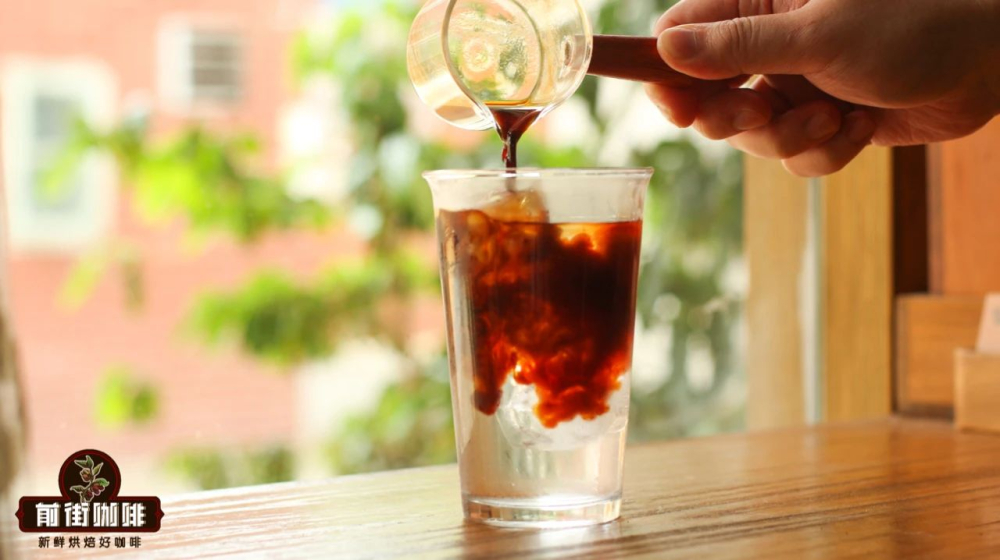
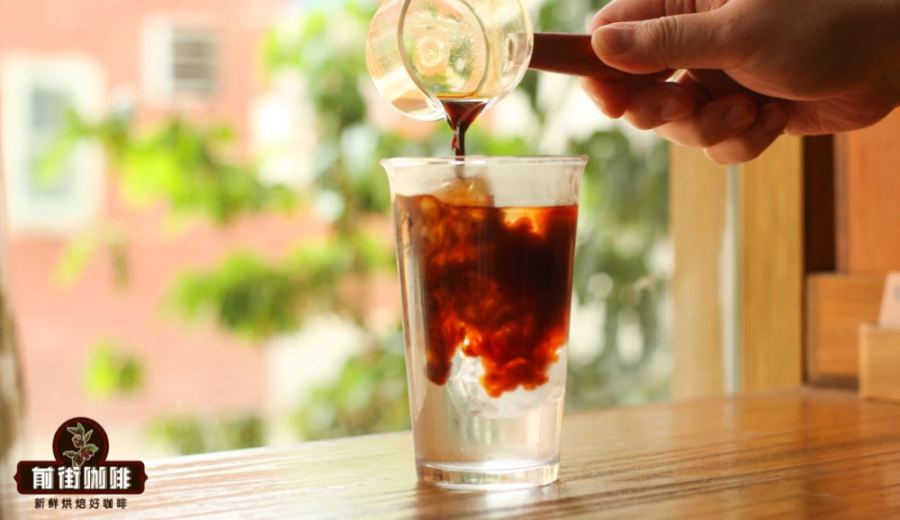
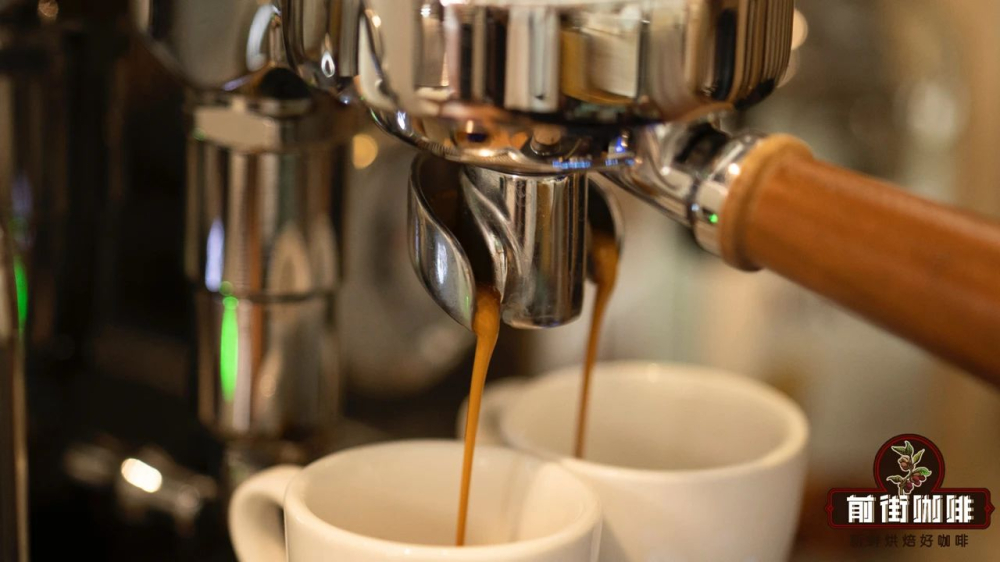
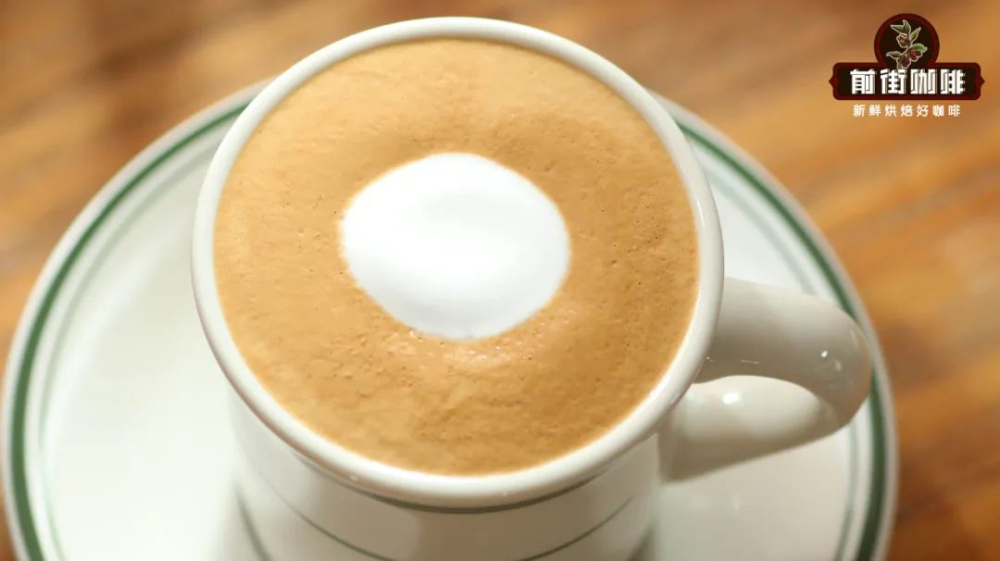
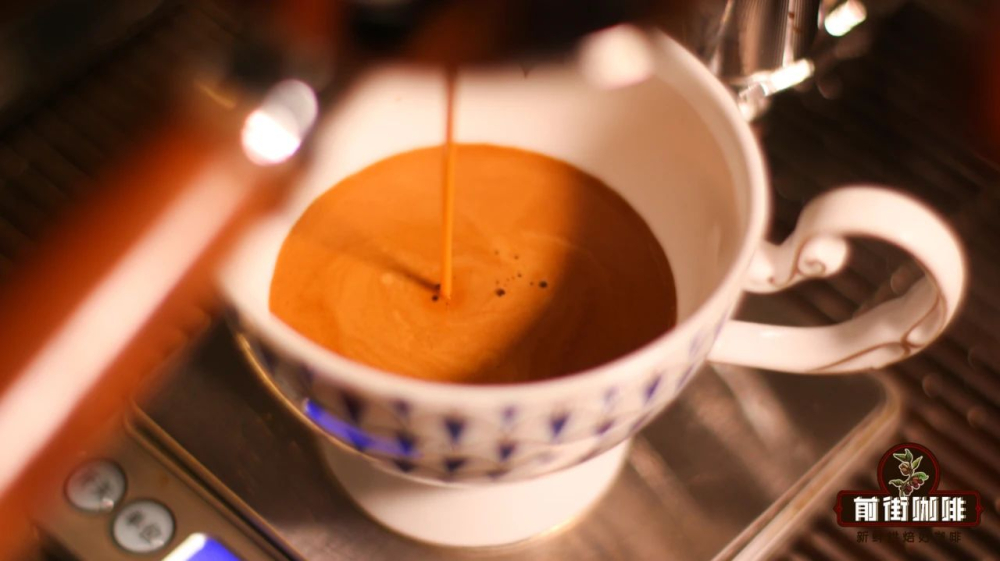
First, we need to clarify several key concepts. Espresso refers to a concentrated extract made using high pressure, typically served at a 1:2 coffee-to-water ratio, with both concentration and flavor being quite intense. Adding hot water to the concentrate results in the common Americano; replacing the water with milk or milk foam turns it into milk-based drinks like lattes or cappuccinos. As for pour over, it’s an entirely different brewing method, completed directly with a pour over device and coffee grounds, requiring no high-pressure equipment nor additional dilution.
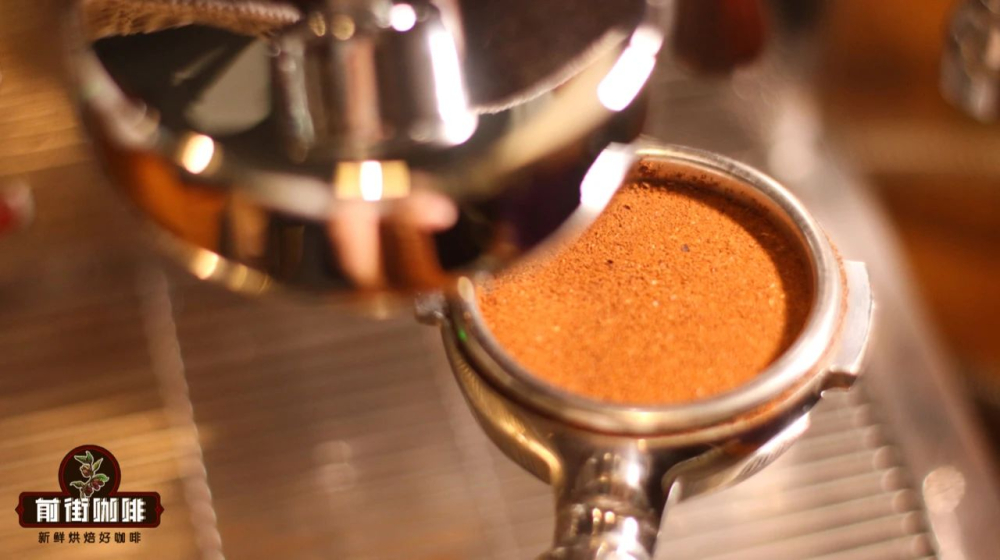
The reason Americano is often perceived as bitter actually relates to multiple factors. The flavor spectrum of coffee includes acidity, sweetness, bitterness, and saltiness, and elements such as bean variety, processing method, and extraction parameters all influence the balance of these flavors. For example, Panamanian Geisha generally has lower bitterness, while Kenya’s SL28 and SL34 varieties, adapted to high-phosphorus soils, exhibit pronounced acidity. Moreover, extraction issues like channeling or overly fine grind can lead to over-extraction, intensifying bitterness.
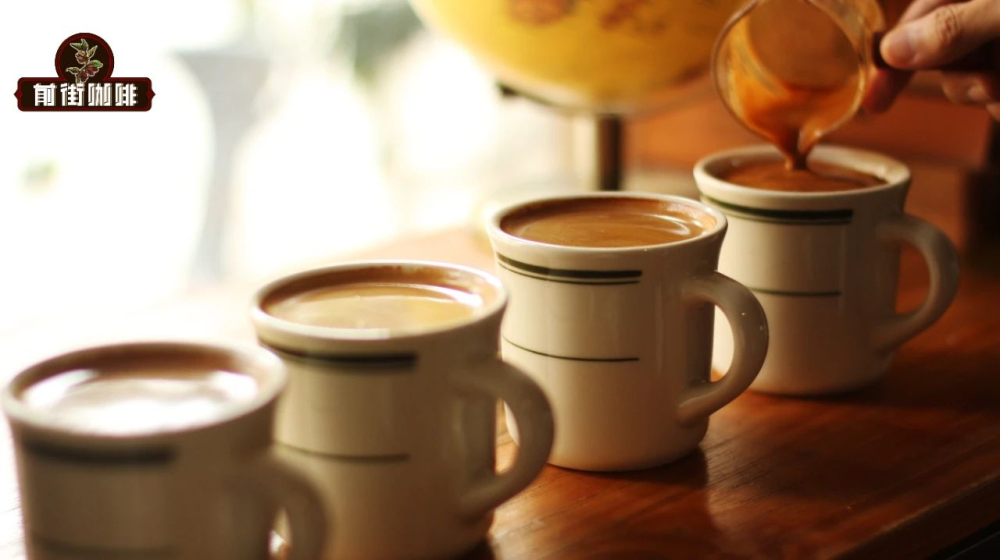
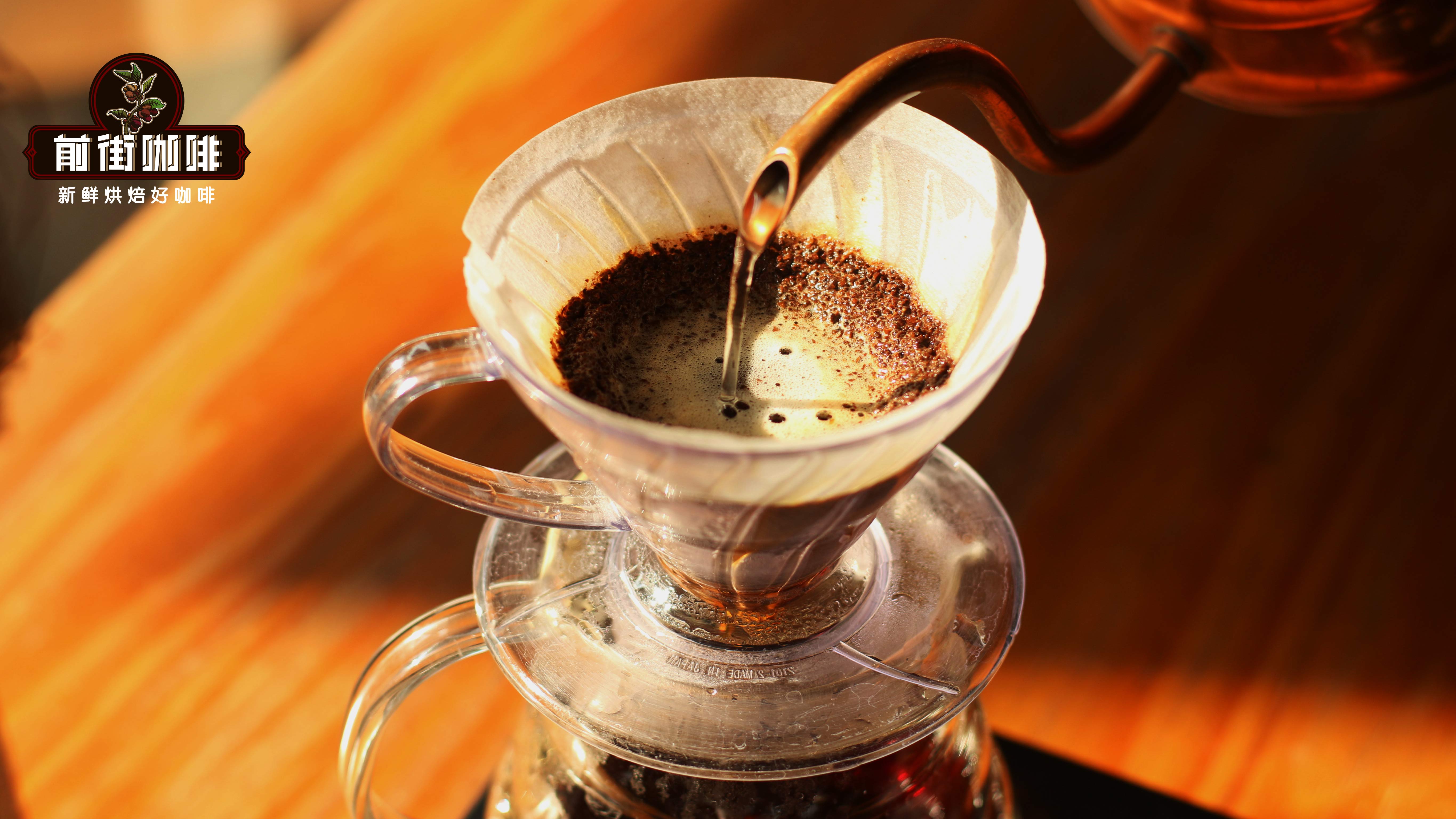
Pour over extraction, on the other hand, has its own unique features. Many baristas choose brewers based on the beans’ characteristics, such as the classic v60. Taking common parameters as an example: using 15 grams of coffee grounds with a 1:15 coffee-to-water ratio, and setting the grind size to medium-fine (about 80% passing through an 0.85mm sieve), with water temperature controlled around 90°C. Such settings highlight the nuanced flavors of the beans, forming a sharp contrast to the dilution method used in Americano.
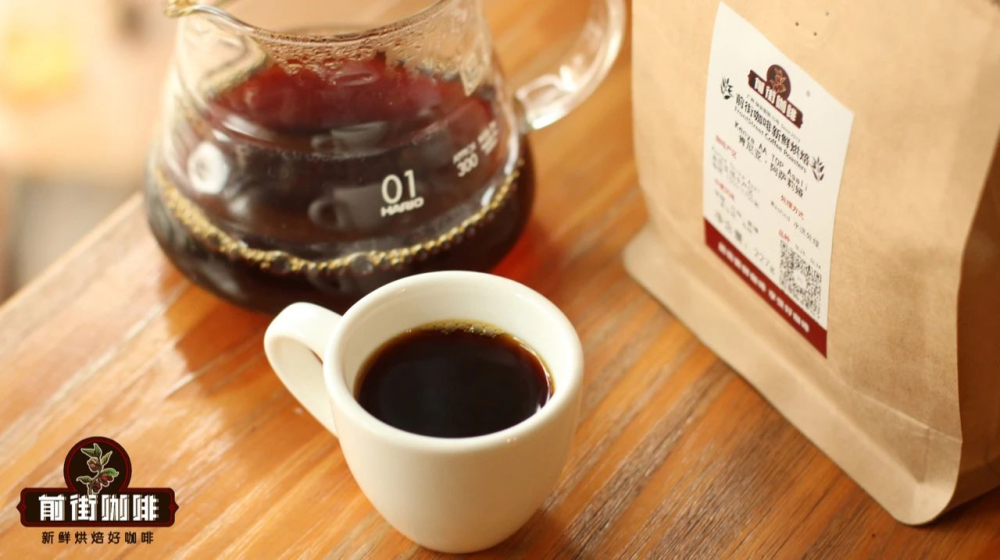
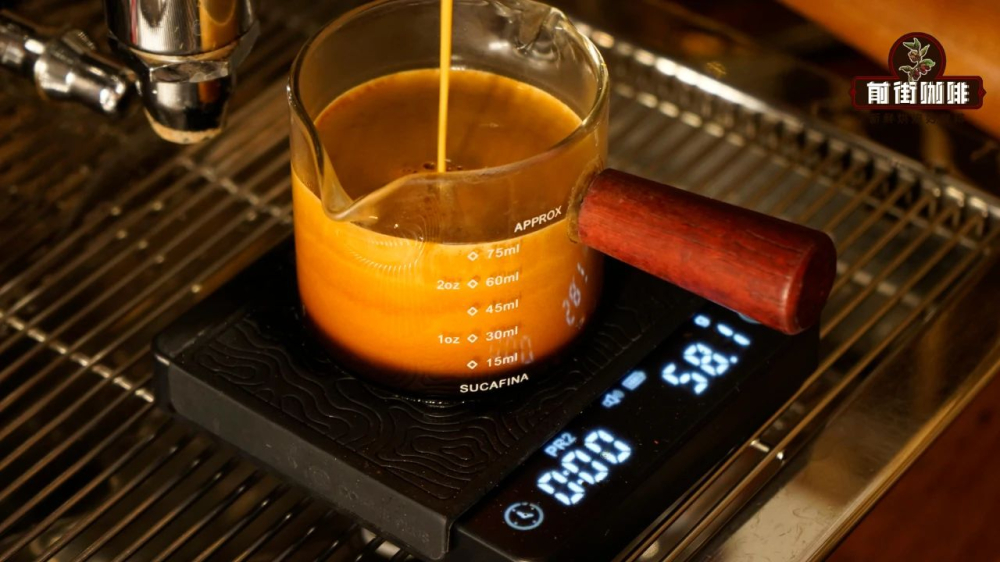
In practical testing, we selected Costa Rica Mozart beans to make both a pour over and an SOE Americano for comparison. The Americano was prepared starting with espresso extraction, with key parameters being 20 grams of coffee grounds yielding 40 grams of liquid, over approximately 26 seconds. This direct comparison clearly demonstrates the flavor differences of the same beans under different brewing methods.
As for the choice of espresso beans, the four common types on the market each have distinct characteristics. SOE (Single Origin Espresso) requires precise control of roast level — too dark can mask regional flavors, while too light may lead to under-extraction. Specialty blends are often known for their stable performance, such as the classic Colombian and Brazilian mix (7:3), where the former brings fruity acidity and caramel notes, and the latter provides a rich mouthfeel. Espressos made from this blend often showcase black chocolate flavors and a solid body.

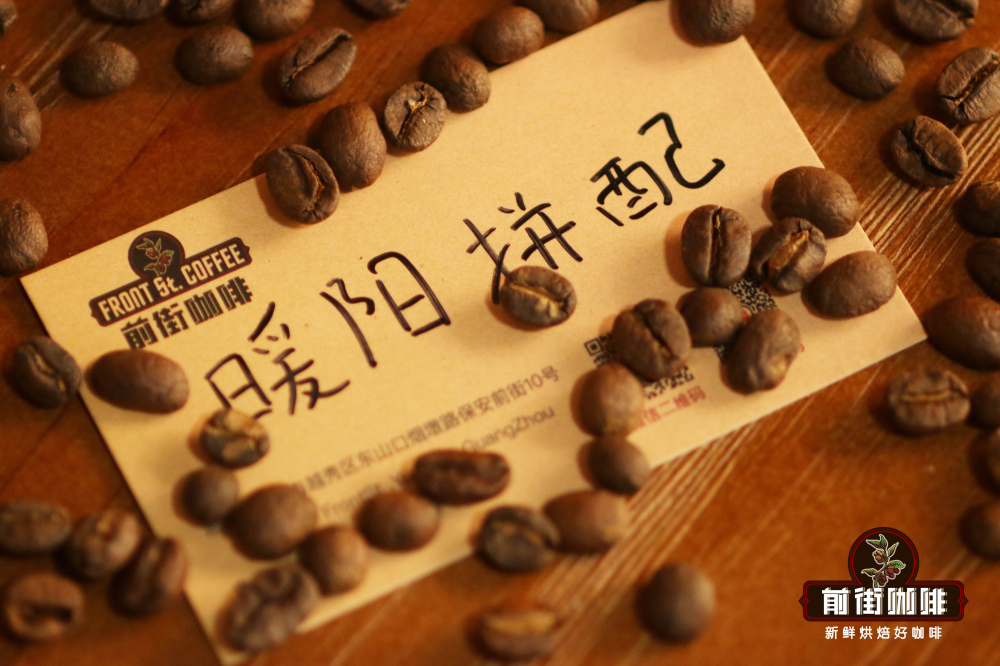
More cost-effective options, such as Brazilian and Yunnan blends (7:3), both primarily feature nutty profiles, suiting consumers who prefer bold flavors. With the rise of the specialty coffee trend, some shops are turning to newly developed blends, such as Warm Sun Blend infused with wine-like and citrus elements, which deliver unique layers when made into Americano.
Commercial blends are designed to meet café operational needs, with a base of Colombian and Brazilian beans (6:3), plus 10% Robusta to enhance crema and richness. This formula improves latte art performance while ensuring a richly flavored Americano, making it a pragmatic choice for commercial settings.
The above content is compiled by CoffeeHunters, a coffee news website.


