







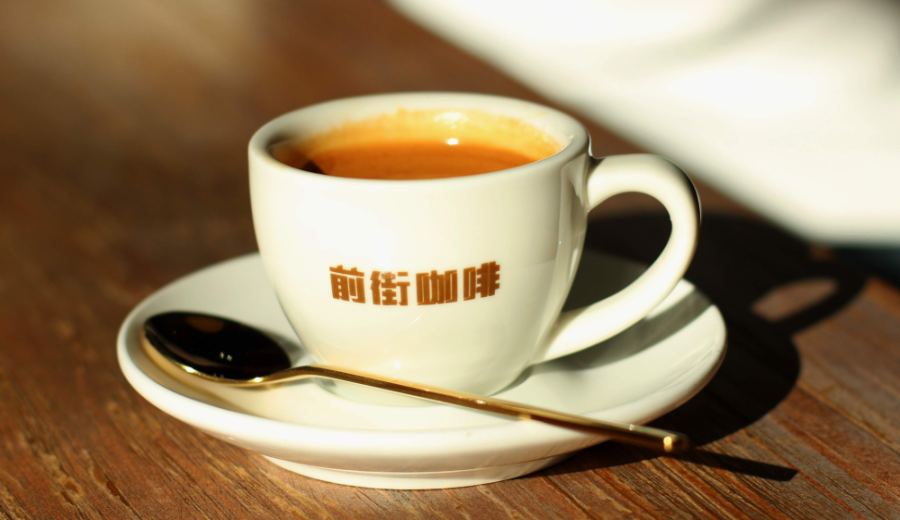
Introduction:In recent years, the specialty coffee culture has been on the rise, and more coffee enthusiasts and shop owners have begun to pay attention to Single Origin Espresso (SOE). Compared to traditional blends that emphasize balance and stability, SOE can better showcase the unique flavor characteristics of a specific origin. However, not all single-origin beans are suitable for espresso. This article will analyze how to choose the right SOE coffee beans based on key factors such as roast level, freshness, and cost-effectiveness, and introduce several practical options with distinctive flavors to help you find the beans most suitable for your daily brewing.
As specialty coffee becomes more popular, many cafés now offer an "SOE" option on their menus, which stands for Single Origin Espresso. These coffees are made using beans from a single origin or region, and through the espresso extraction method, they highlight the unique flavor characteristics of that particular place—offering a clear contrast to traditional blends that prioritize balance and stability.
Blended coffees usually combine beans from multiple countries or regions, primarily aiming to achieve flavor harmony and consistency while also managing costs, making them suitable for everyday high-volume use. If you’re brewing at home or simply want to enjoy a smooth, easy espresso, blends are a more practical choice. Many classic commercial espresso blends on the market are freshly roasted within five days, shipped quickly, and offer great value and consistent performance.
In contrast, single-origin coffees focus on highlighting the unique personality of a particular origin or farm, often showcasing more layered and recognizable flavors in both aroma and taste profile. In the past, these types of coffees were mostly brewed using pour over methods, but in recent years, more baristas and enthusiasts have begun challenging the use of single-origin beans in espresso machines, hoping to extract more intense and representative regional flavors under high-pressure conditions.
However, not every single-origin bean is suitable for use as an SOE. Espresso extraction involves extreme conditions of high temperature and pressure, completed in just 20 to 30 seconds, which places higher demands on the roast level, processing method, and freshness of the beans. Choosing incorrectly may lead to over-extraction or under-extraction, resulting in muddled or dull flavors. Below are three essential factors to consider when selecting SOE coffee beans suitable for espresso.
1. Roast Level Should Be Appropriate
The espresso extraction environment is extremely demanding—with high temperatures and pressure—so choosing the right roast level is particularly crucial. Lighter roasted beans usually have bright acidity, but in the high-pressure environment of espresso, the acidity can become sharp or unbalanced. When milk is added, these flavors may be masked, resulting in a dull-tasting cup. On the other hand, overly dark roasts, while capable of producing intense bitterness, can easily lead to over-extraction, resulting in burnt, ashy, or smoky notes, losing the delicate characteristics inherent to the origin.
Therefore, coffee beans suitable for use as SOE are generally recommended to bemedium roast to medium-dark roast,as this range can retain the original flavor of the origin while withstanding the pressure of espresso extraction, delivering rich layers and a balanced taste.
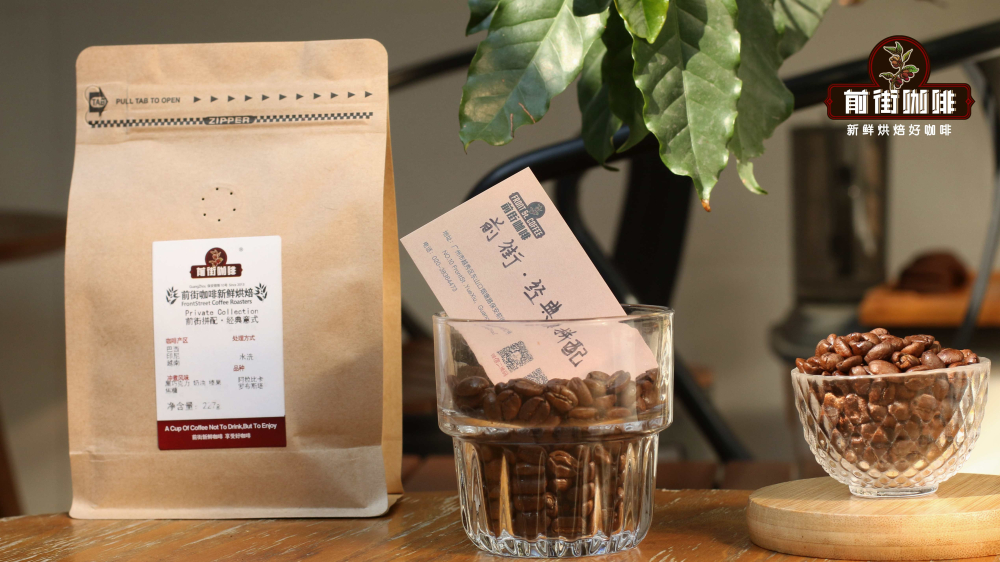
For example, one brand’s "Ethiopia Huila Flower Queen SOE Coffee Beans" are medium-roasted, sun-dried beans, featuring aromas of cream, strawberry, and red berries, paired with subtle floral notes and citrus tones. The taste is fresh and bright, making it suitable for making Flower Queen SOE Americano or flat white, with direct and enjoyable flavor expression.
Another brand’s "Costa Rica Strawberry Candy SOE Coffee Beans" are also medium-roasted, with flavor notes leaning toward sweet dried fruit, red floral tones, and berry acidity-sweetness, ideal for those who prefer a sweeter, fruit-forward cup.
As for one brand’s "Brazilian Queen Estate SOE Coffee Beans," they are medium-dark roasted, emphasizing aromas of roasted nuts and peanuts, along with the richness of dark chocolate and a caramel aftertaste. The overall profile is rounded and pairs well with milk.
Additionally, one brand’s "PWN Golden Mandheling SOE Coffee Beans" are medium-dark roasted, undergoing three rounds of hand sorting and one machine sort, resulting in an extremely low defect rate. After extraction, they present complex layers of spice, herbs, sandalwood, and caramel, with an aftertaste of dark chocolate—a must-try for coffee lovers who prefer a more grounded flavor profile.
There’s also one brand’s "Costa Rica Blackberry SOE Coffee Beans," which uses a black honey processing method, offering intense tropical fruit sweetness and dried fruit aromas. When used for SOE extraction, it can express flavors such as rose, raisin, sweet orange, and cream. When made into a latte with milk, it is often described as having the flavor characteristics of cranberry cookies.
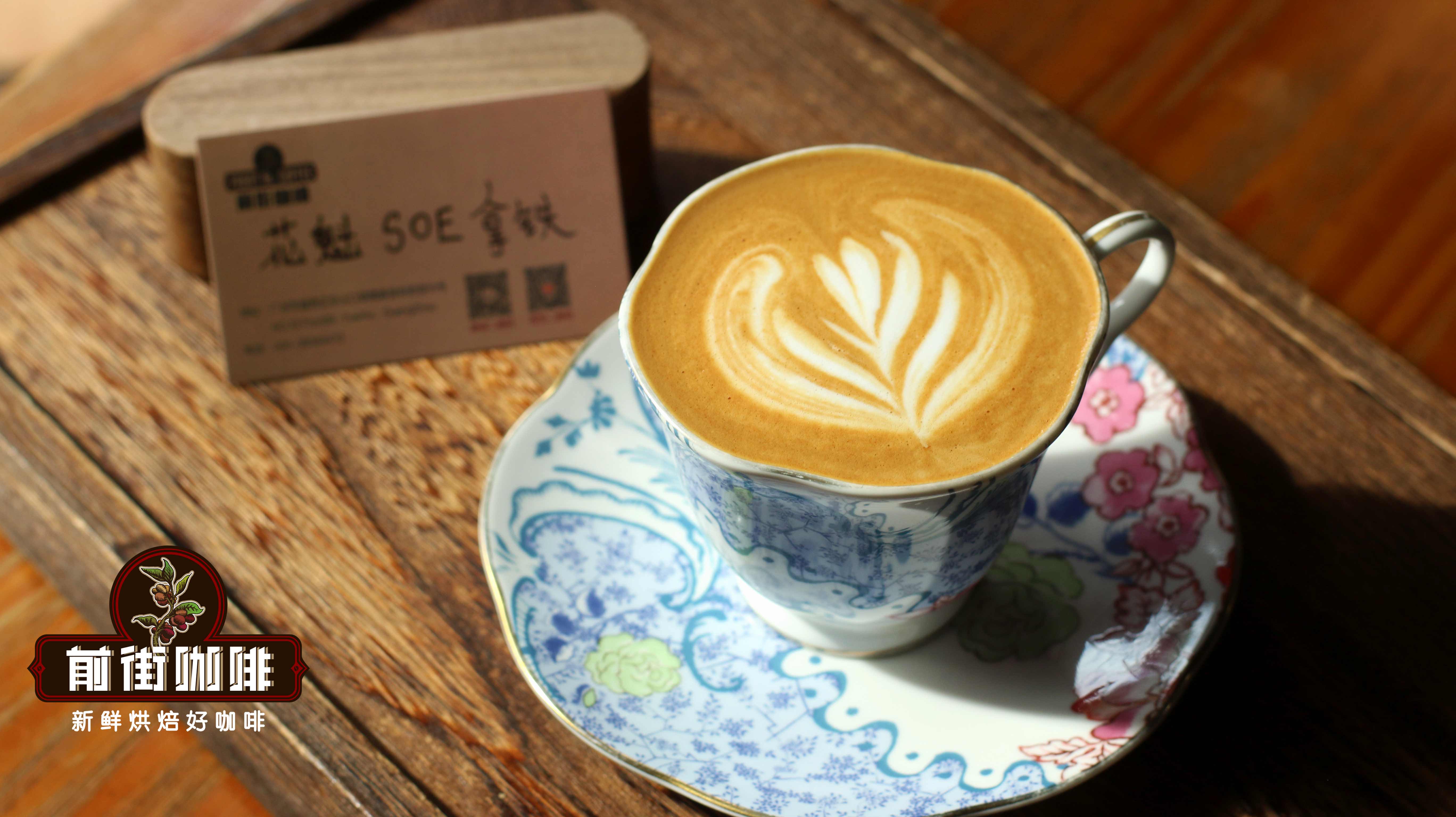
2. Freshness Is Key
Regardless of the type of coffee beans, freshness directly impacts flavor performance. Especially for SOE, which emphasizes origin character, once left too long, the aroma and acidity can deteriorate rapidly, making it difficult to showcase the intended qualities. It is recommended to choose beans roasted within five days and to use them within two weeks of roasting for optimal extraction results.
Currently, some brands on the market offer services with 24-hour shipping and fresh direct delivery, effectively ensuring that consumers receive the freshest products. For those trying SOE for the first time or brewing at home, this is one of the key factors in improving success rates.
3. Cost-Effectiveness Is Also Important
While there are many high-flavor single-origin beans on the market—such as Panamanian Geisha or Jamaican Blue Mountain—these premium bean varieties are often expensive and not very suitable for daily high-volume use. Therefore, when selecting SOE coffee beans, it’s advisable to focus mainly on "good flavor performance with reasonable pricing." For example, the several SOE options introduced earlier not only deliver clear and layered flavors but also come at relatively accessible prices, making them suitable for everyday use by general consumers and cafés.
In addition to the five recommended options above, varieties like Costa Rica Mozart, PNG Bird of Paradise, and Colombian Sidra are also worthwhile SOE choices, each showcasing different regional characteristics and processing method flavors. It is recommended to explore them gradually based on personal preference.
The above content is compiled by CoffeeHunters, a coffee news website.


