







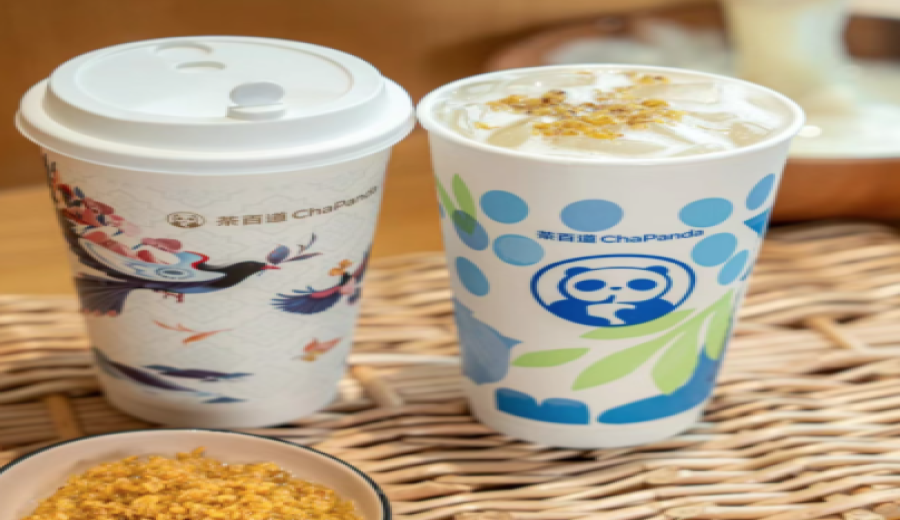
Introduction:Tea BaiDao recently launched a new series of milk-based rice wine beverages, featuring two autumn and winter drinks: “Milk Rice Wine Oolong” and “Milk Rice Wine Mochi Milk Green Tea.” These drinks highlight the combination of fermented rice wine and tea-infused milk, with the brand emphasizing traditional brewing methods and zero added flavorings. However, many consumers who tried the drinks provided feedback about their overly high sweetness and indistinct wine aroma. This article delves into the formulation and production details of these two new products, and compares them to Tea BaiDao’s previous attempts at alcoholic beverages, helping readers understand their flavor characteristics and market reception.
As temperatures gradually drop, consumer demand for warm, sweet, and fragrant autumn and winter hot drinks has noticeably increased. Tea beverage brand Tea BaiDao seized this moment to launch its new milk rice wine series, with the first two products—“Milk Rice Wine Oolong” and “Milk Rice Wine Mochi Milk Green Tea”—combining rice wine with tea bases and creamy flavors in an attempt to create innovative drinks that offer both warmth and a slight buzz.
According to official information, this milk rice wine series insists on using authentic fermented rice wine, and emphasizes “0 flavorings, no additives.” The fermented rice wine portion continues some traditional brewing techniques, produced on the brand’s own dedicated production line, and undergoes two additional filtration processes to enhance the purity and smoothness of the rice wine flavor. During fermentation, professional wine koji is used, and the fermentation time reaches 120 hours, allowing ample time for the rice aroma and wine aroma to blend, forming a naturally sweet base.
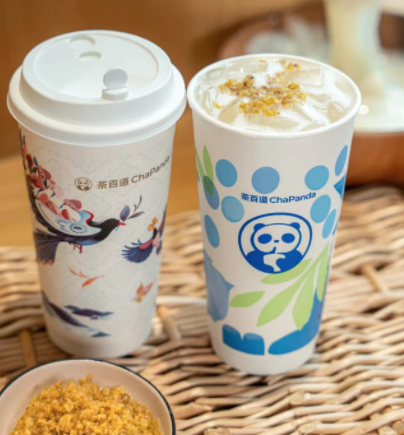
Among them, “Milk Rice Wine Oolong” has a relatively simple structure, consisting of fermented rice wine juice, fresh milk base, and oolong tea broth, with no additional toppings. The overall flavor is refreshing and pure, suitable for those who prefer minimal combinations. In contrast, “Milk Rice Wine Mochi Milk Green Tea” builds upon the basic formula by adding osmanthus sugar, glutinous rice mochi, and jasmine snow bud tea base, offering a richer texture. Upon drinking, besides the tea and milk flavors, one can also feel the soft mouthfeel from the mochi and the subtle fragrance from the osmanthus.
This is not the first time Tea BaiDao has attempted to incorporate alcoholic elements into its tea drinks. As early as 2020, the brand collaborated with renowned baijiu company Luzhou Laojiao to launch “Drunk Step Up,” where each drink contained 3 grams of 40-degree Luzhou Laojiao Baijiu Bai Tiao. At the time, it gained attention in the market for its unique blend of wine and tea aromas. However, due to subsequent conflicts in product planning with Luzhou Laojiao, the drink was eventually temporarily taken off the market. To this day, many consumers still express on social platforms their hope to taste it again.
Therefore, the launch of this new milk rice wine series has naturally attracted many former fans of “Drunk Step Up” as well as new users curious about rice wine-flavored tea drinks. However, actual tasting feedback has been mixed, especially regarding sweetness and wine aroma performance.
Most consumers reported that “Milk Rice Wine Oolong” was overall too sweet and cloying, with three settings that could not be adjusted—ice amount, sweetness, and temperature. Even when customers specified no extra sugar upon ordering, many still said they could clearly taste a strong sweetness upon the first sip. Some even measured their blood sugar afterward and found that drinking just half a cup caused their blood sugar to rise by 5.6, making health-conscious users hesitant. Additionally, some users mentioned that to address the issue of excessive sweetness, they had to dilute the drink with extra water.
As for the wine aroma performance, many customers who enjoy fermented rice wine flavors were also disappointed. Reviews pointed out that the wine flavor in these two new products was rather weak, and the overall aroma resulting from the mixture of fermented rice wine, sweet milk, and tea base was somewhat peculiar. Some netizens even joked that the sour taste of the glutinous rice resembled “spoiled milk” or “rancid chestnuts.” Overall taste evaluations tended to be negative.
Overall, while Tea BaiDao’s newly launched milk rice wine series emphasizes traditional brewing methods and clean production in its process, there is still room for optimization in flavor blending. Especially in terms of sweetness control, wine aroma expression, and aroma layering, if the brand wishes to remain competitive in the alcoholic tea beverage market, it may need to make more attempts and adjustments in brewing details, ingredient selection, and formulation ratios.
The above content is compiled by CoffeeHunters, a coffee news website.


