








Introduction:Starbucks has announced that starting November 7, it will eliminate additional charges for plant-based milk alternatives such as soy milk and oat milk at all its stores in the United States and Canada. This change is expected to save customers over 10% per drink. Spearheaded by the company’s new CEO, Brian Niccol, the reform not only puts an end to years of controversy over these fees but also offers relief to those who are lactose intolerant. This article details the policy changes, highlights differences in implementation across countries, and provides practical advice for choosing plant-based milks.
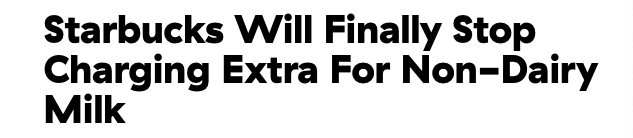
The international coffee chain Starbucks has just announced that, starting November 7 this year, all its stores in the United States and Canada will completely remove extra fees for plant-based milk alternatives including soy milk, oat milk, almond milk, and coconut milk. This change is expected to save North American customers about $0.5 to $0.8 per drink (equivalent to a cost reduction of more than 10%) and is a major customer experience improvement measure introduced by newly appointed CEO Brian Niccol after he took office in September.
According to the brand’s official statement, after the adjustment, customers ordering basic beverages such as hot coffee, iced coffee, tea, and cold brew can add up to 4 ounces (approximately 120 milliliters) of designated plant-based milk for free. It’s worth noting that for standard milk-based beverages like lattes and cappuccinos, if customers request a switch to plant-based milk, the current pricing policy will remain in place — meaning price differences for these classic drinks mainly stem from ingredient costs themselves.
Lactose intolerance, as a global health issue, is particularly prevalent in Asia. Medical statistics show that the proportion of lactase deficiency among people of European descent is generally below 30%, while in East Asia it reaches as high as 60% to 100%. This makes plant-based milk alternatives a necessity for many consumers. Starbucks was one of the first to introduce soy milk as an option back in 1997, later adding coconut milk in 2015, almond milk in 2016, and completing nationwide oat milk availability in U.S. stores by 2021.
This fee removal is not a sudden move. In recent years, consumer complaints about extra charges for plant-based milk have been on the rise. In March 2024, three customers in California even filed a lawsuit against Starbucks, alleging that the $0.5 to $0.8 surcharge for replacing milk with plant-based alternatives in drinks like lattes and Frappuccinos constitutes discrimination against the lactose-intolerant community and violates civil rights laws. The plaintiffs are seeking $5 million in damages. Market analysts point out that this adjustment is also one of Starbucks’ key strategies to address a 7% year-over-year decline in same-store sales in the fiscal fourth quarter of 2024 — far worse than the 3.5% drop analysts had expected.
From a global operations perspective, this North American policy change has lagged behind some international markets. Stores in the UK, Germany, and France implemented equal pricing for plant-based and dairy milk several years ago. Currently, the types of plant-based milk included in the free policy are soy milk (commonly soy-based), oat milk (with Swedish brand Oatly as a representative), almond milk (also known as almond beverage), and coconut milk. All types must meet the brand’s quality standards — for example, oat milk must contain at least 1.2 grams of protein per 100 milliliters.
For coffee lovers who regularly opt for plant-based milk, experts recommend paying attention to the characteristics of different milk types: with soy milk, check whether it contains added sugar (unsweetened options are preferred to control calorie intake); oat milk, which has a natural sweetness, pairs better with dark roast beans; almond milk may affect the stability of espresso crema, so oat or soy milk is recommended when making lattes. Additionally,the image shown can help identify the actual availability of plant-based milk at various stores.
Although the North American policy update has drawn attention, Starbucks stores in China have long offered soy milk, oat milk, and almond milk for free substitution without charging lactose-intolerant customers any extra fees. This differentiated service has been in place for many years and stands as one of the brand’s examples of localized operations.
The above content is compiled by CoffeeHunters, a coffee news website.


