







Introduction:When a fly was found in a beverage from the well-known chain coffee brand Luckin, it not only triggered consumer panic but also once again pushed food safety issues to the forefront. This article details the incident, analyzes the relevant legal basis, and provides practical advice on safeguarding rights and food safety precautions to help readers better protect themselves in similar situations.
Recently, a netizen from Xinyang shared a disgusting experience on social media: they found a fly in a drink purchased from a Luckin store on their school campus. The incident quickly sparked heated discussion online, not only significantly undermining consumer confidence in the brand but also highlighting once again the importance of food safety in the beverage industry.
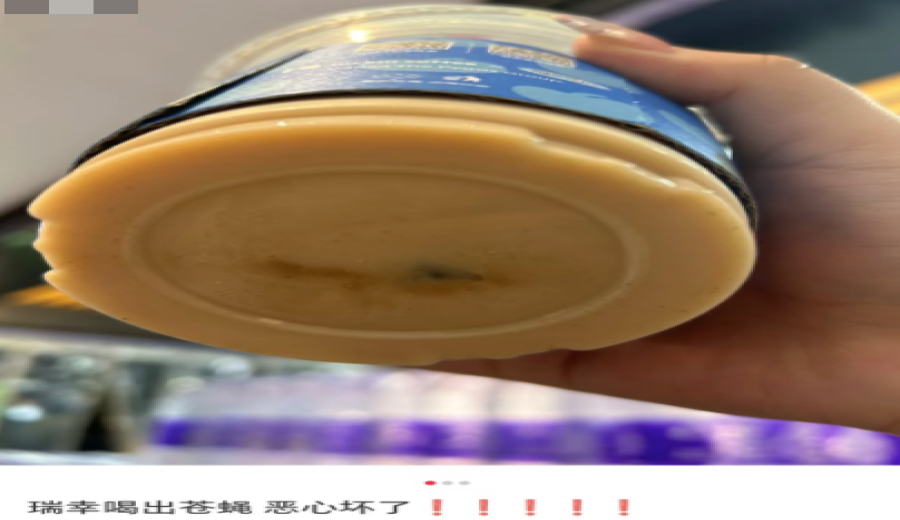
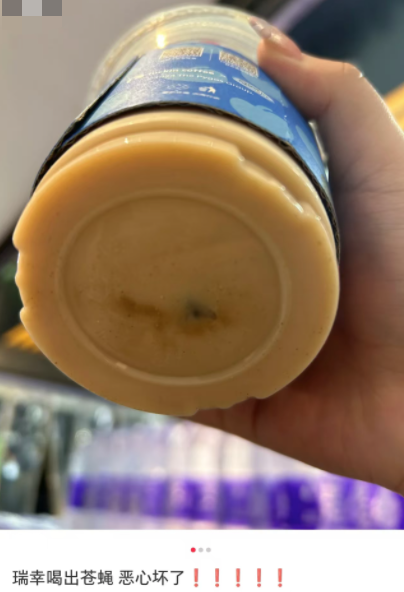
According to the netizen, they ordered a drink around 3 p.m. on October 22 and only discovered a dark lump at the bottom of the cup when they drank it after 4 p.m. Upon closer inspection, they were shocked to find that it was a fly stuck firmly to the bottom of the bottle. They immediately took an overhead photo as evidence and contacted the Luckin store where the drink was made, hoping for a reasonable explanation and resolution.
However, when they went to the store for a face-to-face discussion as requested by the staff, the solution offered by the shop was merely a waiver of the charge and a complimentary drink. The netizen expressed extreme dissatisfaction with this handling, stating, "No one is short of ten yuan, and no one would drink a coffee with a fly in it just to save ten yuan." The negotiation ended on a sour note due to this response.
The netizen argued that according to China's Food Safety Law, consumers who suffer harm from consuming food that does not meet safety standards have the right to claim compensation from the operator, and the operator should implement a first-responsibility system to provide immediate compensation. He emphasized that he had the right to demand a higher amount of compensation, rather than simply accepting a waiver and free drink as consolation.
However, the matter did not end there. The netizen later revealed that Luckin’s after-sales department called twice. The first time, they offered three discount coupons, which the netizen refused; the second time, they increased the offer to five coupons, but it still seemed insincere. Even more unacceptable was that the after-sales staff appeared to suggest during the call that the netizen had put the fly into the drink themselves, a speculation that the netizen found extremely upsetting. He pointed out that he was attending a training class at the time, which had surveillance cameras, and the entire process was recorded, completely refuting the after-sales team’s unfounded claim.
This incident sparked widespread discussion online, with many netizens expressing sympathy for the customer’s experience and sharing their own encounters with foreign objects in drinks from Luckin or other beverage shops. Some advised that in such situations, consumers should reject coupons that offer no real compensation and directly demand cash reimbursement.
According to Article 55 of China's Consumer Rights Protection Law, if an operator provides goods or services with fraudulent behavior, they should, upon the consumer’s request, increase the compensation for the loss suffered, with the increased compensation being three times the price of the purchased goods; if the increased compensation is less than 500 yuan, it shall be calculated as 500 yuan. Ultimately, Luckin responded by stating that the employee who prepared the drink at the involved store had been dismissed, and the company paid the consumer 500 yuan in compensation.
Notably, this is not the first time Luckin has been embroiled in a food safety controversy. Previously, a consumer in Henan found an employee ID badge in an iced drink, and a customer in Yunnan spotted over ten ants after opening a drink at a campus store. These incidents have led consumers to question the brand’s food safety management.
In today’s beverage market, where desserts and toppings are ever more diverse, it is indeed challenging to completely prevent foreign objects from getting into drinks. However, for consumers, how a brand handles issues and the sincerity it shows afterward is the key to earning trust. In today’s highly competitive tea and coffee market, only brands that truly prioritize food safety and consumer rights can stand firm.
The above content is compiled by CoffeeHunters, a coffee news website.


